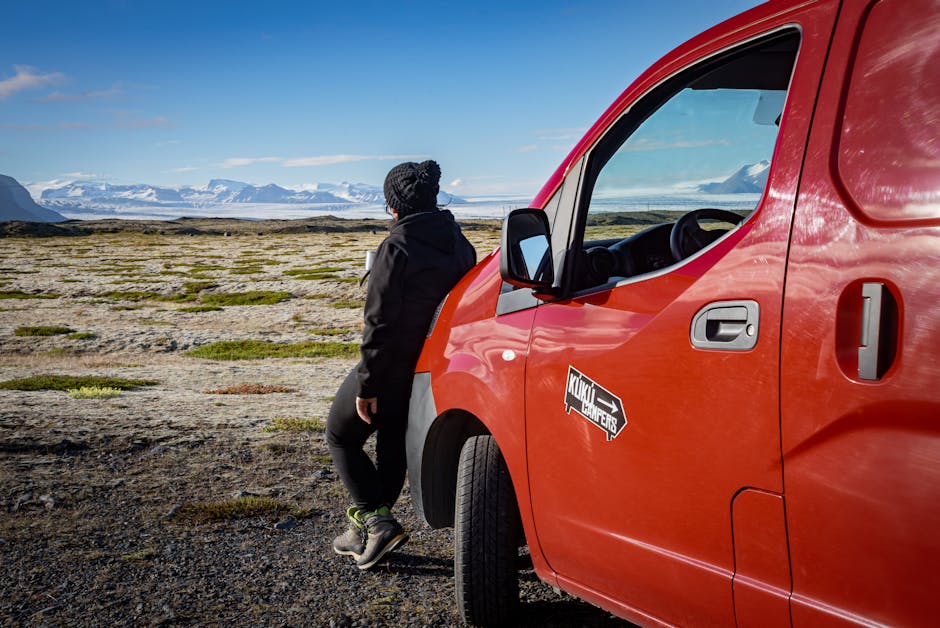
Iceland by car is incredible… but the rental process can feel weirdly intense the first time around. I’ll walk you through the whole thing end-to-end—from insurance decisions and the pickup checklist to the most common Ring Road mistakes beginners make.
Start with the rental basics (so you don’t get surprised)
Before you even think about insurance, get the setup right. In Iceland, what matters is not “luxury,” it’s traction, ground clearance, and flexibility for changing weather.
Pick the right car class for Iceland (not for your home)
Rental counters often categorize cars as “economy,” “SUV,” “4x4,” etc. Don’t choose based on comfort alone—choose based on roads and conditions you’ll actually face.
- If you’re sticking to the main Ring Road and paved roads: you can often do fine with a smaller class (assuming you get proper tires).
- If you plan to go off the main paved roads, or you’re traveling in winter: upgrade to something with more clearance and drivetrain capability.
- If you hate stress: choose for stability rather than saving a few euros.
Trade-off I learned the hard way: the cheapest car is sometimes a “technically fine, practically annoying” choice—because you’ll drive slower, feel every crosswind, and spend more effort staying relaxed.
Confirm fuel policy and mileage rules before you pay
This is the unglamorous stuff that ruins trips when you miss it.
- Fuel policy: same fuel level on return is the most common setup. Clarify what “full” means and what the counter will accept.
- Mileage limits: check if there’s a cap and whether “unlimited” truly means unlimited.
- Extra charges: ask (politely, but clearly) what gets charged for add-ons like child seats, GPS, or additional drivers.
Compare rental setups (but keep it simple)
I don’t think you need to obsess over 12 websites—just sanity-check options.
- I’ve used Ekta to compare what different agencies were offering for the same dates and car class.
- And I’ve used QEEQ when I wanted a wider range of pickup locations and rental counters.
Keep your goal simple: same dates, same car class, same fuel policy, and close-enough total price once you include the coverage reality.
Insurance: how to choose coverage without overpaying
Insurance is where beginners get stuck—because Iceland rentals can sound like a menu of confusing acronyms. Your job is to translate it into two questions:
- What’s your maximum cost if something happens?
- What exactly counts as covered damage?
Understand the “excess” (deductible) concept
Ask the counter to explain the excess/deductible in plain terms.
- Excess is what you’re responsible for if the car gets damaged (depending on fault and policy terms).
- Some policies reduce the excess, but the “reduced” number matters a lot.
- The same “collision coverage” can still leave you with a meaningful excess.
Quick gut-check: if the excess is high enough that one accident could wreck your budget, you’re not actually protected—you’re just delaying the decision.
Coverage types you’ll usually see (and what to watch)
You don’t need to memorize Iceland insurance wording, but you do need to recognize the categories.
Common categories to ask about:
- Collision/Loss Damage: covers damage to the rental car from crashes or impact.
- Theft protection: covers theft (and sometimes “attempted theft,” depending on the policy).
- Third-party liability: covers damage/injury to other people/vehicles.
- Windshield/tires coverage: in Iceland, these can be the difference between “fine” and “pay later.”
What to watch for (this is the big beginner trap):
- “Not included” items in tiny print (often tires, undercarriage, or specific glass damage).
- Whether you must report damage immediately and how.
- Whether coverage changes if you drive on certain road types or outside allowed areas.
Read the damage rules like a skeptic
Before you accept a policy, ask questions that reveal how it works in real life.
- What counts as “damage” versus “wear and tear”?
- Do they charge if the car is returned with cosmetic scuffs?
- What photo evidence or documentation do you need to provide?
- If you hit a pothole/panel/rock splash: is that treated as collision damage, road hazard, or something else?
Trade-off: buying “more coverage” can feel expensive, but the real question is whether you can comfortably afford the scenario you’re trying to insure against.
Pickup-day checklist: what to check in your first 15 minutes
This part is boring—but it’s the best way to avoid paying for damage you didn’t cause.
Do a full exterior walk-around (slowly)
Before you drive even one meter, take your time.
- Check every panel: hood, bumpers, doors, and rear quarter panels.
- Look for dents, scratches, and paint transfer—especially around handles and edges.
- Check the full condition of headlights and taillights.
- Inspect the windshield: chips and cracks should be documented.
Bring your phone into “serious mode.”
- Take wide shots from all angles.
- Take close-ups of any existing marks.
- If anything feels questionable, photograph it again from a different angle.
Check tires, wheels, and traction setup
In Iceland, tires aren’t just “a car part”—they’re safety.
- Confirm tire condition (tread and visible damage).
- Check that tires are suitable for the conditions you’ll face (especially in winter).
- Inspect the spare wheel location and condition.
- If the car has any essential accessories (like emergency items), confirm they’re present.
If you’re arriving in winter and the car feels wrong for the forecast, speak up. It’s better to address it at pickup than during a slippery moment.
Test the small stuff you’ll need immediately
This is about avoiding the “we’ll fix it later” trap.
- Windshield wipers and washer fluid (spray/visibility check).
- Lights (headlights, indicators, brake lights).
- Brakes feel (a gentle test in a safe area if allowed).
- Seatbelts and mirrors.
Ask yourself: “If I had to drive through sudden rain in 10 minutes, can I do that comfortably?”
Confirm return rules before you leave the lot
Most rental problems happen at return.
- Where exactly do you return the car?
- What counts as a “full” tank for fuel?
- What is the return window (and what happens if you’re late)?
- What’s the process for reporting damage you notice after pickup?
If you can, keep the pickup paperwork handy on your phone. You want the coverage and terms available if anything gets disputed.
The Ring Road reality: rules, etiquette, and common beginner traps
You don’t need to drive like a rally driver—just drive like someone who respects weather and road friction.
Respect the weather swings (and don’t “power through”)
Iceland weather can change fast, and visibility matters more than confidence.
- Slow down early, not when you’re already in trouble.
- Give yourself extra stopping distance.
- If roads look wet/icy: assume traction is lower than you expect.
- When you see strong crosswinds: reduce speed and avoid sudden steering.
Beginner mistake to avoid: thinking you can “make up time” on windy stretches. In reality, fatigue + stress steals your attention.
Learn the road rules that actually trip people up
You’ll see the usual traffic basics (speed limits, right-of-way, turning rules), but Iceland adds a few practical reminders.
Keep these in mind:
- Follow posted speed limits even if it feels slow—conditions vary.
- Watch for road signage about wind/visibility and road status changes.
- Use headlights appropriately (I’d rather you use them too often than too rarely in low light).
- Don’t assume lane behavior is intuitive—some driving can feel different than what you’re used to.
The big takeaway: trust the signs and your grip on the road, not your memory.
Don’t underestimate stress: the “easy-to-miss” driving moments
These are the moments beginners slip up.
- Pull-offs and short photo stops: don’t block traffic, and make sure you’re fully parked safely.
- Overtaking: if visibility is anything less than great, skip it.
- Rushing to beat darkness: in winter especially, plan to arrive before fatigue.
- Following too closely in rain or mist: visibility drops faster than you think.
If you’re unsure about a turn, a junction, or a road condition: slow down, breathe, and use time now instead of correcting later.
A beginner-friendly Ring Road approach (with realistic pacing)
Here’s the part that makes the whole trip feel easier: plan a route that matches your driving tolerance. If you try to “cover everything,” you’ll end up driving when you should be resting.
Use a simple stop list to keep your days sane
Below are eight classic stops you can use as a flexible framework for pacing. Pick a few based on your timeframe—don’t feel like you need them all.
- Reykjavík
- Þingvellir National Park
- Geysir
- Gullfoss
- Skógafoss
- Vík
- Jökulsárlón
- Höfn
Trade-off: choosing fewer stops means better weather flexibility and fewer “we have to move right now” moments.
Space driving hours like a beginner, not like an expert
I’m going to say something that might sound boring: drive less than you think you can.
- Aim for fewer long drives per day.
- Build buffer time for weather delays, photo stops, and slowdowns.
- If you arrive tired, don’t immediately plan an extra detour.
Easy rule of thumb: if you’re mentally counting kilometers like a chore, it’s time to reduce the day’s ambition.
Keep your return day stress-free
You can avoid a lot of end-of-trip headaches with a simple routine.
- Before you head back, do a “walk-around” again for new damage.
- Take a quick photo of the car’s condition right before you return.
- Confirm your return time and where the drop-off happens.
- If you’re returning after hours, confirm after-hours procedures and documentation.
Know what to do if you have minor damage
Even the careful drivers can get unlucky with rocks, weather, or other road conditions.
If something happens:
- Stay safe first (hazards, location awareness).
- Document everything: photos, any visible context, and any relevant details.
- Contact the rental agency/coverage process according to their instructions.
Try not to improvise. You want clear records.
Final thoughts: how to make it feel easy
You’ll be fine. Iceland road trips feel dramatic, but the process gets simpler once you treat the rental like a checklist exercise instead of a gamble.
If anything feels unclear, ask at the counter
Your best questions are the ones that reduce surprise.
- What’s the exact excess/deductible with my coverage?
- What’s covered for tires and glass?
- What’s the fuel and return rule exactly?
- What’s the process if I notice damage after pickup?
Go slow, take photos, and trust the signs
If you do three things, you’ll already be ahead of most beginners:
- Take a careful pickup walkthrough with photos.
- Choose coverage based on maximum risk, not vague promises.
- Drive like conditions matter more than your schedule.
Get that right, and Iceland stops feeling like a test—and starts feeling like the amazing road trip it’s meant to be.