I’ve done the Nairobi-to-Amboseli dash more times than I can count, and I’ll be honest: the “best” day trip isn’t the one with the flashiest brochure—it’s the one that gets the timing right. In this guide, you’ll get the 7 best day-trip styles from Nairobi, with practical advice on choosing shared vs private, guided vs driver-only, and when to enter the park for calmer wildlife and clearer views.
First, get the timing right

Sunrise isn’t magic… but it’s close
Amboseli is one of those parks where early starts usually pay off. You tend to get:
- More active wildlife (animals are often moving and feeding earlier)
- Less heat haze, which matters for long-distance sightings and mountain views
- Fewer “traffic jams” of jeeps compared to later arrivals
If your tour can pick up in Nairobi around 4:00–6:00am, that’s typically the sweet spot for getting decent game-viewing time without rushing.
Late morning vs golden hour
If you miss the early window, you’re not doomed—you just have to adjust expectations. In general, I’ve found:
- Late morning: wildlife can still be out, but animals may be more settled in shade
- Golden hour (late afternoon): often great for sightings and dramatic light, but you’ll be working against daylight and any return drive constraints
My rule: if you can only do one thing, pick a tour that gets you into Amboseli earlier rather than later.
The 7 best day-trip styles
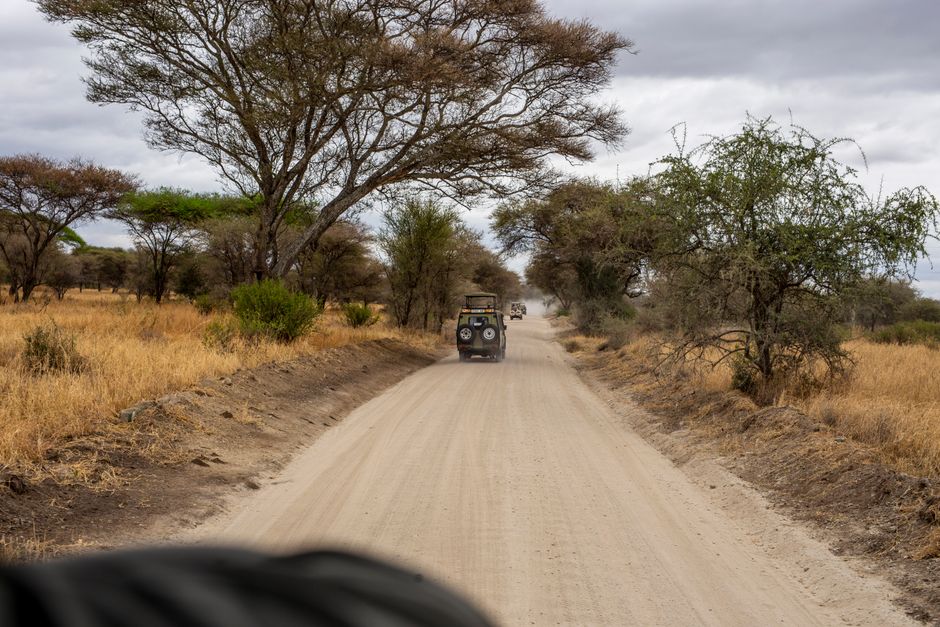
Shared vs private: how to choose your vibe
Here are 7 solid day-trip styles to consider:
-
Shared group sunrise safari (minibus/van + set itinerary)
- Best for: meeting people, keeping costs down
- Trade-off: you’ll stick to a schedule and may do fewer “detours” for sightings
-
Shared group with a proper game-drive guide (still group pricing)
- Best for: learning what you’re seeing without paying fully private rates
- Trade-off: you might still get less flexibility than a private vehicle
-
Private guided day trip (your own vehicle + guide)
- Best for: max flexibility, faster pivots when animals appear
- Trade-off: costs more, obviously
-
Private driver-only day trip (you follow a plan, guide is limited/optional)
- Best for: experienced travellers who enjoy spotting and don’t need constant interpretation
- Trade-off: you’ll rely more on your own eyes (and you must be comfortable adjusting on the fly)
-
Photography-first day trip (longer time inside, less “rush to the next stop”)
- Best for: getting multiple chances at lighting and animal behaviour
- Trade-off: it can mean a longer day and potentially an earlier pickup
-
Early entry + extended park time (maximize sightings over comfort)
- Best for: people who care about wildlife time more than a tight lunch break
- Trade-off: you may spend more hours in the car than you’d like
-
Late-morning entry with golden-hour focus (reduce the early chaos)
- Best for: you want a less intense start, but still want decent light and sightings
- Trade-off: you’re more likely to miss the most active morning window
Guided vs driver-only: what you’re really paying for
This is where people get mixed up, so let me break it down in plain terms.
A guided setup usually means you get help with things like:
- Interpreting tracks and behaviour (why an animal is where it is)
- Spotting earlier (you’re not just searching—you’re being shown)
- Understanding “why now” (timing can be the difference between “empty moment” and “great moment”)
A driver-only setup can still be great if:
- You’re comfortable scanning for wildlife and changing your own plans
- You don’t need constant explanation to enjoy the day
- You want the flexibility to talk less and just do the driving/game-search yourself
What I’d recommend if you’re unsure: choose guided if you’re visiting for the first time, and go driver-only if you already know what to look for (or you’re travelling with someone who does).
A sensible itinerary length (so you don’t feel trapped)
From Nairobi to Amboseli is a long day by default—so the real question is how much time you’ll actually get in the park.
When you’re comparing tours, look for language like:
- “Time in the park” (not just total hours)
- Whether there’s a proper midday plan or a “drive-through and hope” schedule
- How they handle the return drive (you don’t want to be exhausted at the end)
If a tour promises very little park time, it may still be a good deal—but it’ll feel like a “drive to see stuff” rather than a “safari day.”
What you’re aiming for in Amboseli (and how to boost your odds)

Elephants and the “open visibility” factor
Elephants are a huge draw, but the key is that you’ll spot more reliably when:
- You’re in the park when animals are moving/feeding
- You’re patient enough to stop and watch (instead of endlessly driving)
- You’re not constantly rushing to the next moment
If your tour is structured, that helps; if it’s less structured, you’ll want to be deliberate about time spent scanning.
Kilimanjaro views: haze is the real boss
A lot of people come for the iconic Kilimanjaro backdrop. In practice, the view depends heavily on:
- Morning clarity vs later-day haze
- Cloud cover and how quickly it rolls in
Here’s the honest traveller bit: you can’t guarantee the mountain will look crisp all day. What you can do is stack the odds by choosing a tour that starts early and gives you enough time to experience at least one clearer window.
Weather, heat, and animal behavior
Wildlife timing is influenced by conditions, not just the clock.
Expect that:
- Hot midday can slow movement as animals seek shade
- Dry conditions can concentrate animals around water sources
- Changing conditions can shift where the best sightings happen
That’s why flexibility matters. A private tour (or a guided group with an experienced guide) can be better at adapting than a rigid “follow the script” itinerary.
How to plan your day like a pro

Booking checklist: what to confirm before you go
When you’re looking at day-trip listings, I’d verify these points:
- Pickup window in Nairobi (not just “morning”—ask what time)
- Exact time you arrive/enter the park
- How many hours inside Amboseli you’ll actually get
- Vehicle type (and whether you’ll be in a cramped seat for a long stretch)
- Guide vs driver-only clarity (who’s doing the wildlife spotting help)
- Meals: whether lunch is included and what “included” usually means
- Park fees: whether they’re included or paid separately at the gate
- Return time: can you handle the late-arrival back to Nairobi?
If you want a quick way to compare options, I’ve used Viator before for day-trip reviews and time options—just make sure you still check what’s included (especially park fees and guide type).
A realistic timeline you can copy
Here’s a practical template that usually works better than “hope for the best.”
- Early pickup (about 4:00–6:00am): leave Nairobi while roads are calmer
- Arrive in/near the park around mid-morning: you’re positioned for wildlife and clearer viewing windows
- Main game-viewing block: focus on the first 2–3 hours inside (it’s often where surprises happen)
- Break + reset: have a real rest rather than eating on the move
- Second viewing block (late afternoon focus): if time allows, this can be great for sightings and light
- Return drive: you’ll be tired—plan your night accordingly
The “right” schedule depends on whether your chosen tour is sunrise, early-entry, or late-morning.
Comfort and sanity notes (because it’s a long day)
Even when the safari is amazing, the day can be physically demanding. I’d bring:
- Water and an easy snack (even if lunch is included)
- Sunscreen + hat, because you’ll be out in open light
- Layers (mornings can feel cooler than you expect)
- A small power bank for your phone/camera
And mentally, don’t set your expectations to “constant action.” The best day trips balance:
- Periods of slow scanning (where you still feel like you’re “doing safari”)
- Moments of sudden excitement (where stopping is the right move)
Go with the option that matches your vibe
If you’re still deciding, here’s how I’d think about it—like a friend steering you away from regret.
My quick picks (by travel style)
Choose based on what you care about most:
- Lowest cost, still good vibes: Shared group sunrise safari
- First-timer who wants explanation: Shared group with a proper game-drive guide
- Maximum control and best chances at “right moment” sightings: Private guided day trip
- You’re confident spotting and don’t need constant commentary: Private driver-only day trip
- You’re travelling with a camera or a “wait for the light” mindset: Photography-first day trip
- You want maximum time in the park, even if the day is long: Early entry + extended park time
- You hate early mornings but still want a strong day: Late-morning entry with golden-hour focus
When the cheaper choice bites back
A low-cost shared option can be worth it—until you feel like:
- You’re trapped in a rigid schedule when animals appear elsewhere
- You don’t get enough park time to fully enjoy the experience
- You’re stuck in a long return plan that leaves you too tired to appreciate the day
Sometimes you’ll trade money for flexibility. Other times, you’ll trade money for time. For Amboseli, time in the park and timing of entry usually matters more than almost anything else.
If you pick a day trip that gets you in early enough and gives you breathing room inside the park, you’ll come away happy—even if the mountain view isn’t perfect the whole day.