I have left a suitcase in a Nairobi café for “just a minute” before—turns out that minute becomes a whole afternoon if you’re not careful. So here’s my fix: a first-timer-friendly, practical seven-day Kenya safari route from Nairobi back to Nairobi, with realistic drive times, sensible park order, and lodging base suggestions.
You’ll do the classic savanna highlights without feeling like you spent the trip in a vehicle.
The route (and why this order works)

If you’re only doing one Kenya safari, the biggest mistake you can make is cramming too many big regions into one week. The best itinerary is the one where you actually get game drives—especially on your arrival and departure days.
Route at a glance: your seven stops
Here’s the exact “Nairobi to Nairobi” shape of the trip:
- Nairobi (arrival + settle in)
- Nairobi National Park (easy first wildlife day)
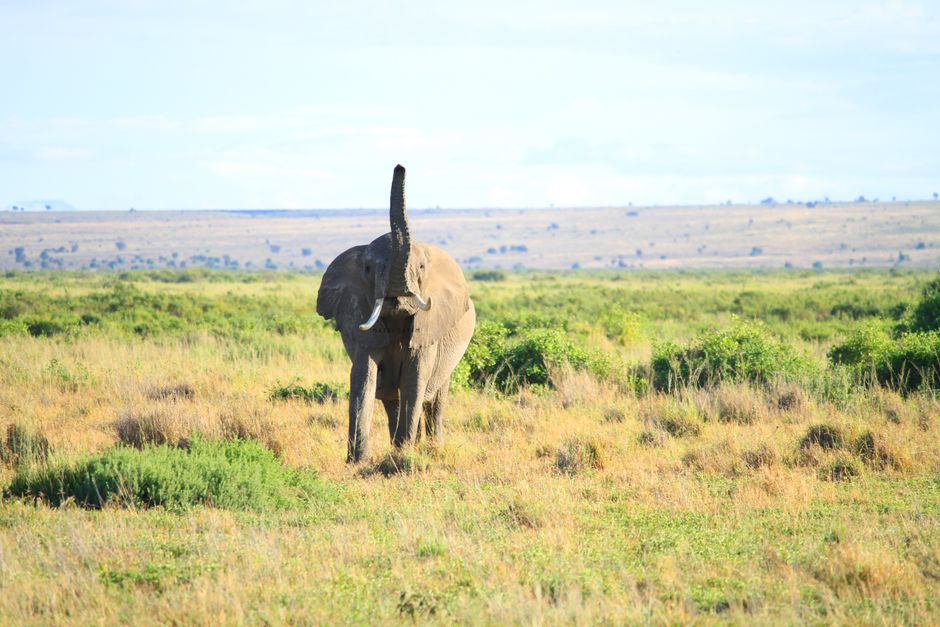
- Amboseli National Park (elephants + open plains)
- Lake Nakuru National Park (rhinos, birds, and the lake views)
- Hell’s Gate National Park (geysers/rocks + optional walking)
- Lake Naivasha (lakeside safari vibes)
- Masai Mara National Reserve (the main savanna payoff)
Drive-time logic in plain English
A safari route is basically a math problem with wildlife as the reward.
- Nairobi first keeps your arrival day low-stress. If your flight is late or your body is still catching up, you can take it easy.
- Amboseli second works because it’s a great “confidence booster” park. You’ll get elephants and big views early, which makes the rest feel easier.
- Rift Valley mid-trip (Nakuru + Naivasha/Hell’s Gate) breaks up the long distance to the Mara. This is where you can trade “hours of driving” for “a proper change of scenery.”
- Masai Mara last is the smart ending. You’ll start hearing people talk about “the Mara” the second you mention Kenya—so save it for when you’re most switched on and rested.
What you’ll trade off (so you don’t get surprised)
Let’s be honest: this route is efficient, not effortless.
- You may be doing at least one long overland day. The Mara region is the farthest. That means either long drives or a domestic flight.
- You’ll give up “extra parks.” If you add another reserve, you’ll lose either rest days or game-drive hours.
- Your pace will depend on the season. July–October and especially around migration can mean more vehicles at popular points, but it’s also when the Mara is at its most spectacular.
Days 1–2: Nairobi easing in + Amboseli big skies

You’re doing Kenya for the first time—so we’re building this week like a good road trip: start flexible, then get serious.
Day 1 — Nairobi on arrival (keep it light)
On arrival day, aim for movement, not exhaustion.
Suggested plan (typical if you land in the morning):
- Check in, recharge, then head to Nairobi National Park for a late-afternoon game drive.
- If you land late, swap for an easy dinner plan and do the park early next morning.
Why this works: Nairobi National Park is unusually convenient. You’re not “losing a day to travel”—you’re just swapping the city for wildlife for a few hours.
Time expectations:
- Nairobi to Nairobi National Park drives are usually around 30–60 minutes depending on traffic.
Day 2 — Amboseli first game drive
Amboseli is where you start to feel like your camera is actually going to earn its keep.
How to get there:
- By road: roughly 240–270 km, usually about 5–6.5 hours depending on stops and traffic.
- By flight (if you’re set on it): domestic routes can save time, but factor in airport transfers and schedules.
On-the-ground game drive strategy:
- If you arrive mid-day, do a late-afternoon drive.
- If you arrive early, you can do a short morning drive + longer afternoon drive.
What to expect (and how to manage it):
- Amboseli is famous for elephants, and you’ll also see other savanna species.
- The big trade-off: it can feel “highly photographed,” meaning some areas get busy. It’s still worth it—you just don’t need to rush to the same spot as everyone else.
Lodging base in Amboseli country
For Amboseli, you’ll usually do best staying near the park gates / along the main approach road, so you don’t waste your best daylight hunting for a lodge.
What I look for when I’m choosing:
- Drive-time to game drive launch points (ideally short)
- A place that can feed you quickly (you’ll get hungry after a couple of hours in the bush)
- Simple comfort over “fancy marketing”—because you’ll spend most of your time out on safari
Days 3–4: Rift Valley icons—Nakuru then Naivasha

This part of the itinerary is your “variety engine.” You go from elephants and open plains to birds, rhinos, and dramatic Rift scenery.
Day 3 — Lake Nakuru’s wildlife day
Lake Nakuru National Park is an easy-to-enjoy stop: great wildlife, strong scenery, and a lot of photo opportunities.
Transfer time expectation:
- Amboseli → Lake Nakuru: usually 6–8 hours by road, depending on where you start/finish and whether you make a few stops.
How to structure the day:
- If you arrive in time, do a game drive late afternoon.
- If you’re tight on time, do a sunrise or early-morning drive the next day and keep this day lighter.
Practical note:
- Game drive timing matters here because wildlife can cluster around certain areas. If you can, prioritize early starts for the best odds.
Day 4 — Hell’s Gate + Lake Naivasha (the “change of pace” day)
This is the day where you swap “sitting in a vehicle” for “feeling the landscape.”
Suggested mix:
- Morning: Hell’s Gate National Park for the dramatic rock-and-geyser feel.
- Afternoon/evening: Lake Naivasha for a more laid-back wildlife and lakeside vibe.
Time expectations (rough but useful):
- Nakuru area → Naivasha area: about 2.5–3.5 hours by road.
- Hell’s Gate → Naivasha-area lodging: typically under 1.5 hours, depending on traffic and where you’re staying.
Trade-off to know:
- Hell’s Gate can be a bit more “active.” If your knees aren’t thrilled about walking, you can still enjoy it via viewpoints/drives—just skip the long walks.
Getting between the Rift parks without losing a whole day
A lot of first-timers over-plan this part and then wonder why the safari feels rushed.
Here’s how to keep it sane:
- Aim to travel once per day. If you split travel across two legs, you’ll end up arriving hungry and too late for the best drives.
- Use daylight. Moving between these areas is easiest when you have enough light for stops, spotting, and just… sanity.
- Build in buffer time for meals. A “quick snack” becomes a 45-minute delay if you’re not ready.
Days 5–6: Masai Mara classic savanna days
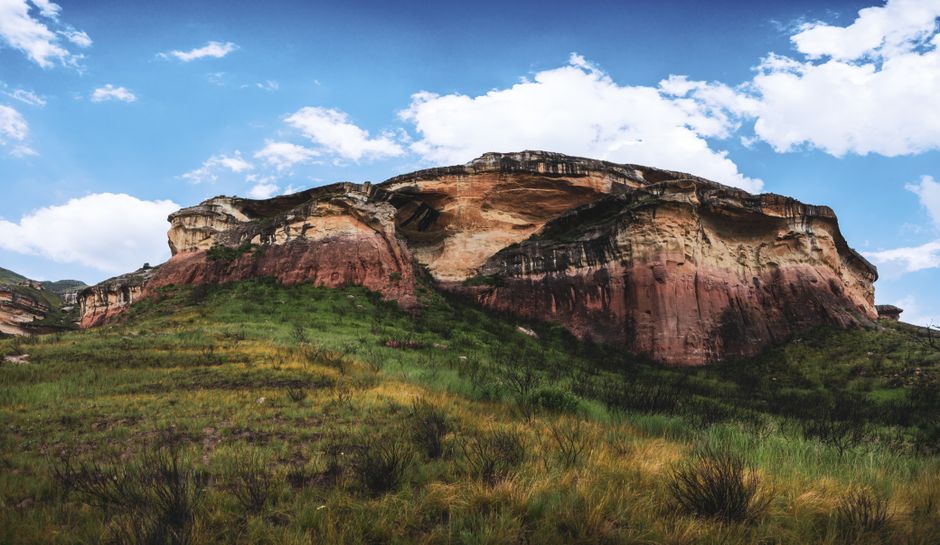
Okay—this is the big one.
Masai Mara is where Kenya really earns the hype. The key is to get there feeling rested, then slow down enough to enjoy the wildlife (not just chase it).
Day 5 — Crossing into the Mara
You’ve got two practical transfer options here.
Option A: Overland (long, but doable)
- Naivasha area → Masai Mara: often 8–10 hours by road.
- This is best if you’re comfortable with long days and you’re okay arriving late.
Option B: Domestic flight (most comfortable for first-timers)
- Typical flight time is often around an hour or so, but always add airport transfer time + check-in buffers.
- This option usually gets you into the Mara earlier, which means better game-drive timing.
How to plan your afternoon:
- If you arrive in time: do a late afternoon drive.
- If you arrive late: focus on sleep and an early start tomorrow.
Day 6 — Full Mara circuit (with options)
This is your “put the camera away for a minute and just watch” day.
My recommended structure:
- Early morning drive (best light + more active animals)
- Long break back at camp (heat + digestion + recharge)
- Late afternoon drive (the light gets unreal)
Common first-timer experience:
- You’ll see a lot quickly—then you’ll pause and realize you’re watching behavior, not just animals.
Where crowds can happen:
- Popular viewpoints and hotspots can get busy in peak seasons. If you feel like you’re stuck watching other vehicles point in the same direction, tell your driver you want to move and look for fresh angles.
Staying near the conservancies vs inside the reserve
You’ll hear people talk about “inside the reserve” versus “conservancies” or “wider Mara region.” Practically speaking, it’s about drive access and how you want your camp experience to feel.
Here’s what matters most when you choose:
- Drive time to gates/starting points (shorter is better)
- Whether you’re paying for exclusivity (not always necessary, but can reduce crowding)
- Meal and rest quality (you’ll feel the difference after early starts)
Day 7: Mara to Nairobi, plus simple planning tips
This is the day where the itinerary can either feel smooth—or like a forced sprint.
One last sunrise drive + return
Your morning depends on your departure time and transfer method.
If you’re flying back to Nairobi:
- Aim for a short early drive, then head to the transfer point with buffer time.
If you’re driving back overland:
- It’s a long day. Plan for a very early start and understand that wildlife spotting can be intermittent once you’re focused on arriving.
Real talk:
- If you’re prone to getting car-sick, overland return is the moment to consider whether you’re comfortable.
How to pick a lodge that won’t waste your time
You don’t need “luxury.” You need a lodge that works for your schedule.
When I’m choosing accommodation for safari weeks, I look for:
- Early breakfast option / quick departures (so you’re not burning daylight)
- Clear transfer arrangements (no vague “sometime in the morning”)
- Room comfort that helps you sleep (you’ll be up before sunrise)
- A location that doesn’t mean extra driving to your activities
If you’re comparing options, I’ve found Booking.com useful for getting a quick sense of availability and approximate location—just don’t rely on photos alone.
A practical checklist so you’re not scrambling
Here’s the “avoid-the-chaos” list I use for safari weeks:
- Confirm park entry timing and pickup details the day before
- Carry a small day bag for water, sunscreen, hat, and a snack
- Keep your safari schedule visible (in your phone + a printed copy if you like)
- Double-check flight or road transfer times with at least one buffer window
- Keep cash handy for small tips/incidentals (network issues happen)
Wrapping it up: your safari should feel like a safari
If you follow this route, you’ll hit Kenya’s biggest savanna strengths—elephants, lakeside wildlife, dramatic Rift scenery, and the Mara’s classic game-viewing—without over-stretching your week.
Most first-timers leave Kenya wanting one thing more than anything else: more time in the parks. Since you only have seven days, the best strategy is the one you’re using here: smart order, realistic drive times, and lodging bases that keep you moving efficiently.
If you want, tell me your rough travel month and whether you prefer overland only or you’re open to a domestic flight for the Mara day—I can tighten this into an even more specific schedule for your exact trip.