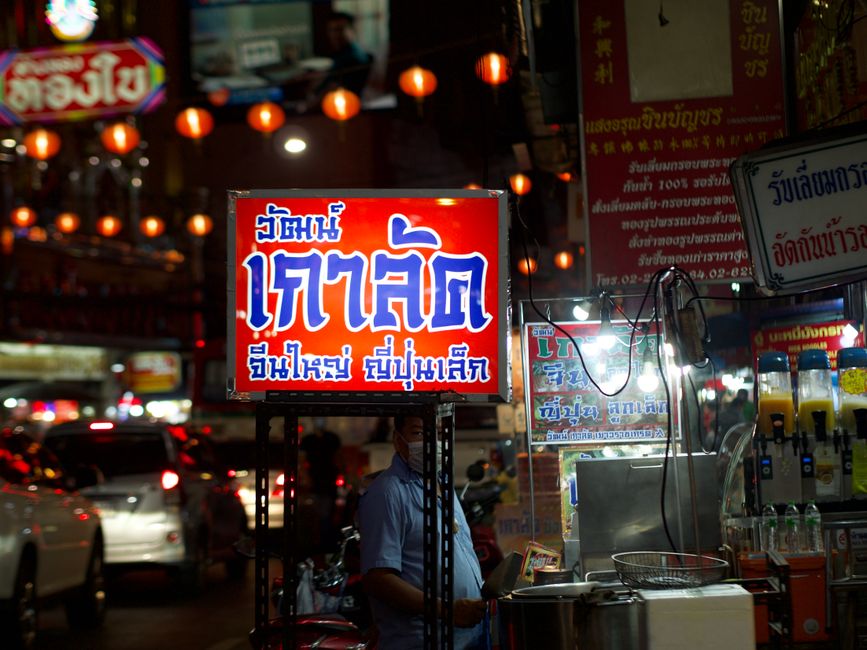
Hey fellow travelers—if you’ve been wondering which Bangkok markets are worth your time (and which ones are just set dressing), you’re in the right place. This guide breaks down the best public markets in Bangkok by neighbourhood and tells you what each one is best for, from street food and fruit to souvenirs and weekend stalls.
Bangkok has a lot of markets, and they all feel tempting when you’re walking past. The trick is choosing the right cluster for your day—because you don’t want to spend your precious hours zig-zagging across traffic just to end up at a touristy row of the same souvenirs.
Below are the markets I’d prioritize if you want variety and convenience, with practical “what to do there” notes so you can shop/eat without getting lost.
Weekend-style mega markets
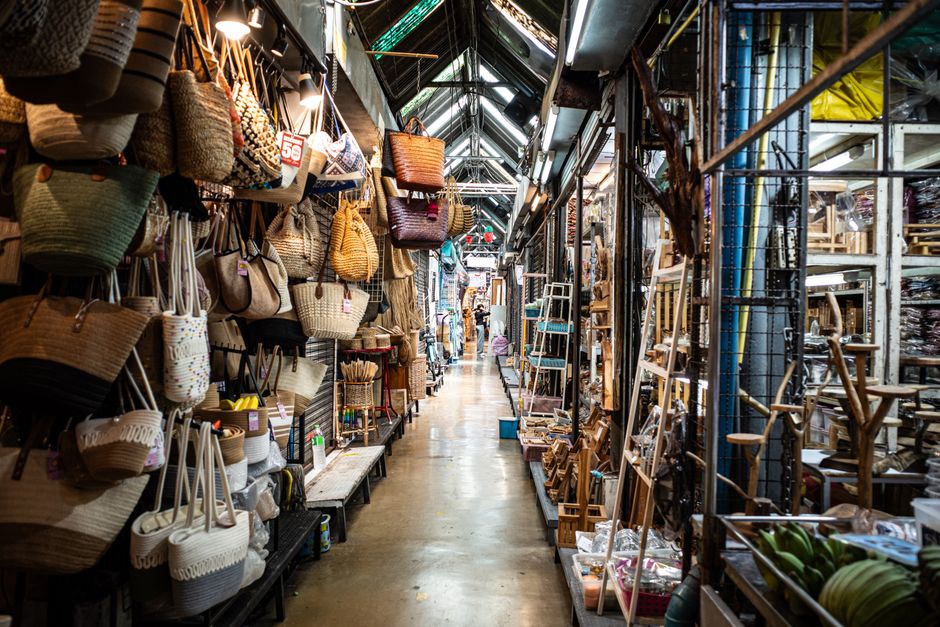
Chatuchak Weekend Market (Mo Chit)
If Bangkok had a “one-stop shop” for browsing, it would be Chatuchak. It’s huge, energetic, and perfect when you want to wander and discover rather than follow a strict plan.
Best for
- Souvenirs & gifts: t-shirts, ceramics, Thai decor, novelty items, handmade crafts
- Fashion & accessories: hats, bags, jewellery—everything from budget to “quality if you inspect it”
- Theme browsing: plants, homewares, vintage-ish finds, pets (yes, it happens)
What to do when you arrive
- Decide your “zone” first (otherwise you’ll lose 2–3 hours fast).
- Start earlier if you can—later in the day gets hot and crowded.
- Go in with a rough shopping list so you can compare stalls without overbuying.
Food note (worth it)
- You’ll find loads of snack stalls—aim for the places with steady lines.
- Bring cash and be ready for queues at the busiest popular items.
Trade-offs (don’t skip this part)
- Prices can be higher than you expect in some sections, especially around the most tourist-heavy corridors.
- It’s a “big day” market—plan for comfortable shoes and water.
Talat Rot Fai Srinakarin (Rod Fai Night Market)
This is the market vibe if you like evenings, browsing, and slightly more character than the typical daytime street market.
Best for
- Night-market street food: skewers, noodles, grilled bites, cold drinks
- Vintage & quirky finds: old signage vibes, retro-style goods, secondhand-ish items
- People-watching: it’s lively—more “hang out” than “quick shop”
How it feels on the ground
- Expect browsing lanes that slowly open up into food areas.
- It’s easy to spend time here without “needing” to buy anything—just snack and wander.
What to hunt for
- Small souvenirs and retro decor (the best stuff often isn’t the most obvious from far away).
- Crafted items and handmade-looking pieces—ask questions if you care about quality.
Trade-offs
- It can get crowded at peak night hours.
- Some items feel more “style” than “utility,” so check how it’s made before you buy.
Fresh-produce markets locals actually use

Or Tor Kor Market (premium produce + cooked snacks)
Or Tor Kor is the one I recommend when you want Bangkok’s market energy but with a bit more “clean, organized, good ingredients.”
Best for
- Fruit & veg shopping: seasonal fruit, hard-to-find Thai produce, quality herbs
- Ready-to-eat Thai snacks: made-to-order bites and local-style comfort food
- Gifts you’ll actually use: dried goods, quality sauces, packaged items (great if you want “safe souvenirs”)
What to look for inside
- Stall lines where people are clearly ordering repeatedly (a good sign for consistent quality).
- Fresh fruit displays—choose what’s in season and looks lively.
- Snack areas for quick meals that won’t derail your day.
Trade-offs
- It’s not as “chaotic fun” as some other wet markets.
- Compared to super-budget markets, you may pay a little more—mostly because the ingredient quality tends to be better.
Pak Khlong Talat (flowers + classic street snacks)
If you like visual markets (and you like the romance of Bangkok), Pak Khlong Talat is a must. The flower side is iconic, but the area is also great for quick bites.
Best for
- Flowers & botanical souvenirs: bouquets, garlands, fragrant offerings
- Local snacks nearby: quick bites around the market area
- Photo-worthy market streets: especially early when it’s fresh and buzzing
When it shines
- Go when the place is active and the flower displays look at their best.
- If you’re pairing it with a sightseeing day, it fits nicely because you can browse quickly.
Trade-offs
- It can be more focused on flowers/nearby snack areas than on “buy everything” browsing.
- Flower gifts are awesome, but don’t assume you can take every kind of snack back easily—pack with care.
Classic wet-market Bangkok
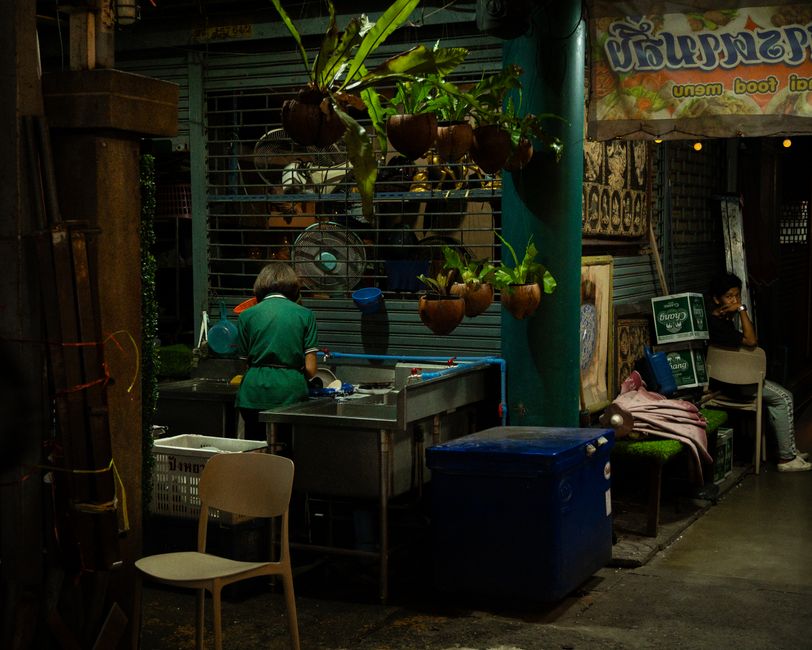
Khlong Toei Market (street-level real Bangkok)
Khlong Toei is where you feel the true “wet market” rhythm—fruits, seafood, everyday goods, and shoppers doing real errands. It’s not built for tourists, which is exactly why it’s so interesting.
Best for
- Seafood & ingredients: if you want to see how locals shop for fresh produce and proteins
- Budget snack hunting: small bites and street-side foods (choose what looks fresh and busy)
- The atmosphere: the best “I’m in Bangkok, not at a theme market” experience
How to approach it (so you enjoy it)
- Take your time and keep your expectations flexible.
- If you’re there for food, stick to stalls with good turnover.
- Avoid feeling like you have to buy anything—watching and learning is part of the experience.
Trade-offs
- It’s not “polished.” That’s the point, but it’s also why it’s not everyone’s comfort zone.
- Crowds and narrow walking lanes can make it easy to bump into people—move slow.
A quick wet-market checklist (for comfort + confidence)
This is the stuff that makes wet markets easier to enjoy.
Before you snack
- Choose stalls with steady flow of customers.
- Look for food handled regularly (not sitting out for ages).
- If something looks like it’s been waiting a long time, skip it.
For browsing without stress
- Bring cash (markets often run on straightforward transactions).
- Wear shoes you can walk in for an hour.
- If it’s hot, go early or use shade breaks between lanes.
Riverfront bites and easy souvenirs

Wang Lang Market (Thonburi river vibes)
Wang Lang is a great pick if you want markets that feel connected to Bangkok’s river life—plus it’s a nice contrast to the busier inland areas.
Best for
- Riverfront street food: quick, tasty Thai bites that pair well with a walk
- Relaxed browsing: not as overwhelming as the mega markets
- Easy souvenirs: small gifts, snacks, and things you can pick up without turning it into a full shopping mission
What to eat here (the vibe)
- Think “light meal + snacks.” It’s ideal when you don’t want a heavy sit-down restaurant.
- Look for stalls with clean prep areas and lots of locals grabbing takeaway.
Trade-offs
- If you’re looking for massive variety like Chatuchak, Wang Lang is more compact.
- Evening crowds can build—if you’re sensitive to crowds, go earlier.
Turn it into a smooth riverside half-day
If you’re planning a day around Wang Lang, here’s a simple way to structure it:
Suggested flow
- Start with market snacks.
- Walk along the river area (slow pace, photos, people-watching).
- Save heavier shopping for another cluster (like Chatuchak or Chinatown) so you don’t overload your day.
This keeps the experience fun instead of tiring.
Chinatown for food, gold, and bargain hunting
Yaowarat & Sampheng (Chinatown’s market lanes)
Chinatown is the Bangkok classic: food everywhere, shops on both sides, and a mix of old-school merchant lanes and street-level browsing.
Best for
- Street food: noodles, seafood dishes, snacks, sweets
- Dried goods & spices: practical gifts if you like cooking
- Gold & jewellery shopping: for people who want the “Bangkok signature” experience
- Bargain browsing: textiles, bags, quirky items (quality varies—inspect)
What to buy (and how to avoid disappointment)
- Dried goods: choose brands/stalls with clear packaging or fresh stock.
- Souvenirs: buy the ones you can actually carry comfortably—Chinatown is packed.
- Jewellery/gold: if you’re serious, ask questions and compare—don’t feel pressured.
Trade-offs
- It’s busy—expect crowds, especially evenings.
- Some tourist-facing lanes can feel pricier, so compare before committing.
Street-food strategy in Chinatown
If you want to eat well here without turning it into a full-day “try everything” mission:
A smart approach
- Pick one noodle dish, one grilled/seafood bite, and one dessert snack.
- Follow the crowds, but watch what’s actually selling fast.
- Don’t be afraid to skip a stall that looks appealing from a distance but doesn’t have turnover.
This way you get variety without feeling sick from random sampling.
Quick Wrap-Up
Your best “fit” by travel style
If you tell me what you’re into, I can narrow it down—but here’s a quick cheat sheet:
- Want a huge shopping day + souvenirs: Chatuchak
- Want vintage vibes + night energy: Talat Rot Fai Srinakarin
- Want better-quality fruit + curated snacks: Or Tor Kor
- Want flowers + classic atmosphere: Pak Khlong Talat
- Want the real wet-market experience: Khlong Toei
- Want riverfront street food + lighter browsing: Wang Lang
- Want street food + dried goods + gold: Yaowarat & Sampheng
The simplest way to plan without stress
Try this two-cluster approach:
- Pair one big market (Chatuchak or Rot Fai) with one food-focused cluster (Wang Lang or Chinatown).
- Keep your travel day limited: Bangkok traffic can turn a “short hop” into a time sink.
One last tip I wish I knew earlier
Markets feel best when you don’t force “efficiency.” Give yourself permission to:
- browse for 30–45 minutes,
- pick 3–5 things maximum,
- and eat one “must-try” dish rather than 12 random snacks.
That balance is what makes the day feel like a trip—not a chore.