Hey fellow travelers—if you’re trying to pick the best islands in the Cook Islands, you’re not alone. In this guide, I’ll break down each island’s vibe, the best areas to stay, and what to prioritize so you’re not wasting time hopping around.
The Cook Islands can feel compact on a map, but the experience changes a lot from island to island: Rarotonga is lively and hike-friendly, Aitutaki is lagoon-famous and slow-paced, and the “outer islands” (like Atiu and Mauke) trade beaches-per-minute for culture, nature, and serious quiet.
How to choose your Cook Islands island (and best home base)

Rarotonga for “my first Cook Islands trip” energy
Rarotonga is where most people land—and it’s easy to plan even if you’re short on time.
- Cross-Island Track hike
- Punanga Nui Market
- Muri Lagoon snorkeling
Best home base areas on Rarotonga usually come down to whether you want lagoon time every day (Muri) or to be closer to town, tours, and restaurants (Avarua).
Aitutaki for lagoon days that feel like a postcard
Aitutaki is the island you pick when “crystal lagoon” is the main character.
- Aitutaki Lagoon cruise
- One Foot Island
- Golden-hour swims from the motu
For most travelers, the best base is either a lagoon resort/motu stay (for maximum convenience) or a town-side stay near the main village areas (for easier logistics).
Outer islands for caves, gardens, birdlife, and real quiet
The outer islands don’t try to be “big resort islands.” They’re smaller, slower, and more experience-focused.
- Limestone cave tours in Atiu
- Freshwater-lake time in Mitiaro
- Remote atoll day trip to Palmerston
So… how do you split your time?
A rule of thumb (that saves headaches):
- If you want a balance of activities + comfort: do mostly Rarotonga with a short Aitutaki add-on.
- If you want “one perfect vibe”: base on Aitutaki and only do day trips/short hops elsewhere.
- If you want adventure and atmosphere: pick one outer island as your main stay and keep transfers minimal.
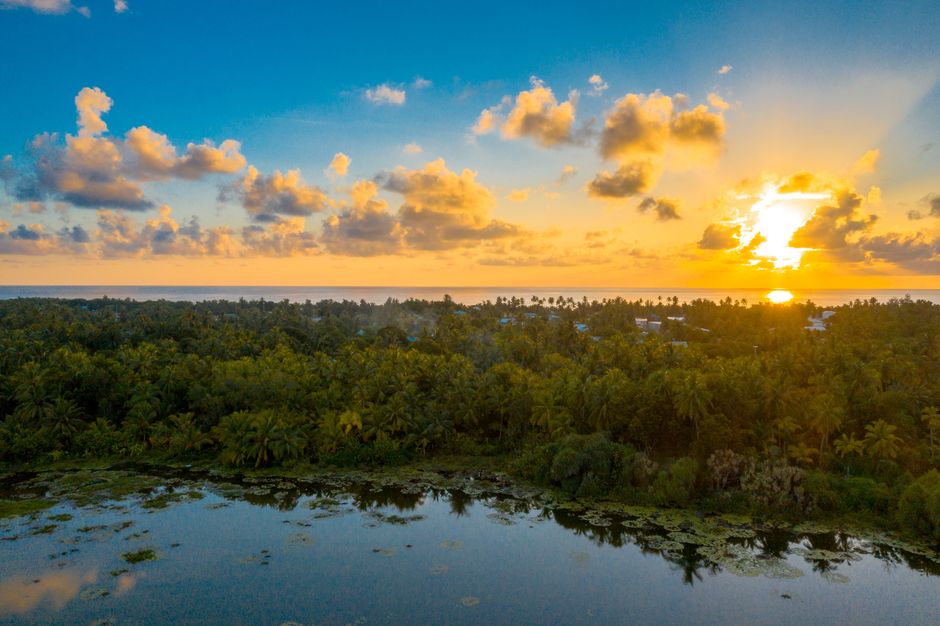
Rarotonga — beaches, hikes, and easy island life
Where to base on Rarotonga (so your days feel smooth)
Your best neighborhood depends on what you’ll do most.
- Muri (best for lagoon access)
- Avarua (best for restaurants and transport)
- Arorangi (quieter, central-west)
- Titikaveka (good base for beach days)
If you’re the type who hates wasting half your day driving (or waiting for rides), staying near your “repeat activity” is a big win.
Top things to do on Rarotonga (pick a few, not all)
Rarotonga’s best days are usually a mix of nature + water + one “special” experience.
- Sunrise at Black Rock
- Te Rua Manga (The Needle)
- Cross-Island Track
- Kitesurfing and calm-lagoon paddling in Muri
- Island night shows and cultural dinners
A quick reality check: the island isn’t huge, but it’s also not a tiny theme park. If you try to cram everything into every day, you’ll feel busy instead of relaxed.
Best for who? (and what you’ll probably love)
This is where Rarotonga makes sense for a wide range of travelers.
- Beach time at Muri
- Dance nights (Island night shows) in Rarotonga
- Coastal scooter rides
Trade-off: if your heart is set on ultra-luxury “private motu” lagoon time, you’ll usually prefer Aitutaki (or a resort-style motu stay) over Rarotonga.
Aitutaki — lagoon days and the best sunsets

Where to stay in Aitutaki (vibe-wise)
You’ll generally choose between being close to the main village areas or being closer to the lagoon experience.
- Avatiu village (main town side)
- Motu stays (romantic lagoon access)
- Central Aitutaki road-side stays
If you want the easiest lagoon mornings, motu/lagoonside stays are hard to beat. If you want more flexibility and typically fewer “transfer steps,” town-side can feel easier.
What to do in Aitutaki (the stuff that actually makes it special)
Most Aitutaki itineraries revolve around being on the water—then topping it off with a bit of exploring.
- Lagoon cruise to One Foot Island
- Snorkeling off the reef motu
- Kayaking over the shallow water
- Sunset at the lagoon shoreline
- Village visits and crafts
What I like here: even when you’re doing the “main” activities, they feel quieter than you’d expect. It’s not chaos—more like effortless.
Best for (and the common mistake to avoid)
Aitutaki is perfect when you’re chasing atmosphere, not packed schedules.
- Motu day trips
- Romantic dinners with lagoon views
- Relaxed swimming in the sheltered lagoon
Common mistake: trying to keep Aitutaki as your base but doing heavy “move every day” plans. Aitutaki works best when you let the lagoon be your daily plan.
Atiu — caves, stargazing, and outer-island calm

Where to base on Atiu
Atiu is spread out, so your base matters mostly in terms of how quiet you want mornings to be.
- Near the airstrip
- Inland plateau
- On the south coast
The good news: even if you’re not right on a “big-name” beach, you can still build a great day around caves, hikes, wildlife, and local meals.
Highlights on Atiu (nature you can’t fake)
Atiu’s standout is the limestone landscape and the feeling that you’re exploring something genuinely different.
- Limestone cave tours
- Hidden waterfalls and sinkholes
- Birdwatching for kakerori
- Handmade crafts with local artisans
- Night sky stargazing
Trade-off: fewer “ready-made” resort options. You’re there for the experience, not for convenience.
Best for travelers who care about the human side
Atiu’s warmth is the point—people here tend to welcome you into the island’s day-to-day life.
- Village storytelling
- Traditional dance rehearsals
- Cook Islands food in family-run kitchens
If you’re the type who loves hearing how things work (how fishing, cooking, or crafts fit into life), you’ll gel with Atiu fast.
Mauke, Mitiaro, Mangaia, and Palmerston — the “choose your character” set
These islands are where your Cook Islands trip shifts from “which resort” to “which kind of adventure.” They’re also the islands where I’d cut your number of changes.
Mauke — gardens, produce, and slow island days
Mauke is smaller and more agricultural in feel, which makes it great if you like cycling, local food, and calm landscapes.
- Mauke island
- Mangoes and taro gardens
- Bicycle loops around the island
Best home base approach here: stay somewhere that makes mornings easy—then go out for a gentle day and come back for a late lunch.
Mitiaro — freshwater-lake vibes and birdlife
Mitiaro is a quieter pick, best if you want “less beach, more nature.”
- Mitiaro island
- The freshwater lake
- Coconut palm coast walks
- Birdwatching in the forest
If you’re hoping for nonstop water activities, Mitiaro may feel understated. If you want a peaceful, slightly wild nature break, it’s a gem.
Mangaia and Palmerston — depth, history, and remote-atoll magic
This is the “bigger character” portion of the list.
- Mangaia island
- Stone trail and ancient lookout spots
- Palmerston atoll
- Day trip snorkeling around the motu
Trade-off: distances and logistics can be more involved, especially if you’re trying to fit everything into one trip. The upside is that these islands feel special—like you actually went somewhere.
Final thoughts: build a trip that matches your pace
If you want the fastest path to a great Cook Islands trip, I’d start with this:
- Choose Rarotonga for variety, hikes, and easy planning.
- Choose Aitutaki for lagoon time and slow romance.
- Choose an outer island (Atiu, Mauke, Mitiaro, Mangaia, or Palmerston) when you want nature + culture over checklists.
And most importantly: don’t over-schedule. The Cook Islands reward fewer, better days—where you can actually enjoy the water, the walking, and the evenings you’ll remember long after the beach photos.
If you tell me how many nights you’ve got and what kind of traveler you are (active, foodie, honeymoony, budget, etc.), I can suggest a simple island split that fits.