Hey fellow travelers—if you’re planning a Rome trip built around walking, the neighborhood you choose can make or break your whole day.
I’ll break down eight walk-everywhere areas for first-timers, matched to different travel styles (ancient sights, shopping days, lively nights, and quieter evenings) so you can spend less time commuting and more time exploring.
Ancient-sight sweet spots
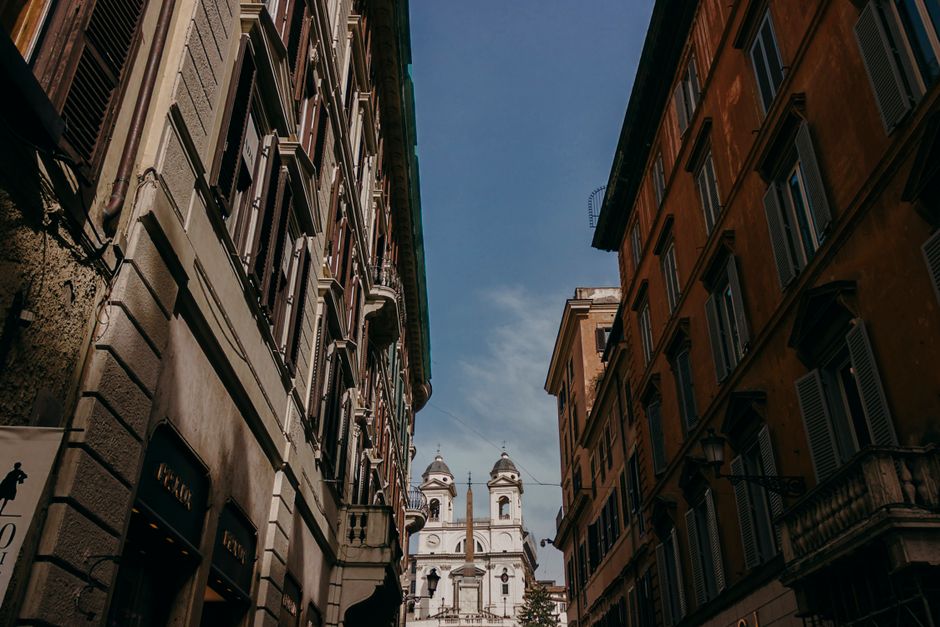
Monti
Monti is the one I keep recommending to friends who want “Rome, but close-up.” It’s a little uphill in places, but the trade-off is that you’ll stumble into real archaeology vibes without having to plan your life around bus times.
Best for
- First-timers who want ancient ruins on their doorstep
- Travelers who like walking loops (start here, drift toward the center, and come back via side streets)
- People who enjoy artisan shops and small cafés more than big-brand retail
What your days feel like
- You’ll spend mornings doing the “one more street and here it is” thing—ruins, viewpoints, and tucked-away courtyards.
- Evenings are lively but not chaotic: think dinner reservations + a slow post-dinner wander.
Walkability reality check (so you’re not surprised)
- You can usually reach the main “ancient belt” in roughly 10–25 minutes on foot depending on where you are in Monti.
- If you’re farther east (near the quieter edges), expect the return walk to feel longer.
Trade-offs
- Some streets are narrow—great for atmosphere, less great if you’re hauling big luggage.
- Prices tend to run higher because people like you keep finding out about it.
Centro Storico (Pantheon–Navona–Trevi belt)
If your dream is to be able to walk out the door and land somewhere famous within 10–20 minutes, this is the belt.
Best for
- First-timers who want maximum “I can’t believe I’m here” sights without changing neighborhoods
- Travelers who don’t mind crowds if the payoff is convenience
- Anyone who wants to do a lot on foot and then come back quickly for a break
What your days feel like
- It’s dense. You’ll walk out for coffee and accidentally create a full sightseeing itinerary.
- Shopping, sightseeing, and aperitivo culture all overlap here—so your evenings can be spontaneous.
Walkability reality check
- Distances are short, but the routes are busy. On a good day, you’re looking at a bunch of “major zone” stops within ~15–30 minutes.
- You’ll want to time your “big walk” for earlier in the day. Late afternoon can turn into stop-and-go.
Trade-offs
- It’s not the quietest. If “sleep first” is your priority, look at the other areas below.
- Expect narrow streets and occasional bottlenecks. You’ll still walk a lot—just slower.
Quick spot-check before you book
- Pick lodging that’s not on the widest, most traffic-heavy streets if you want a calmer night.
- If you’re sensitive to noise, ask what floor you’d be on and whether windows face a piazza.
Daytime wander + shopping days
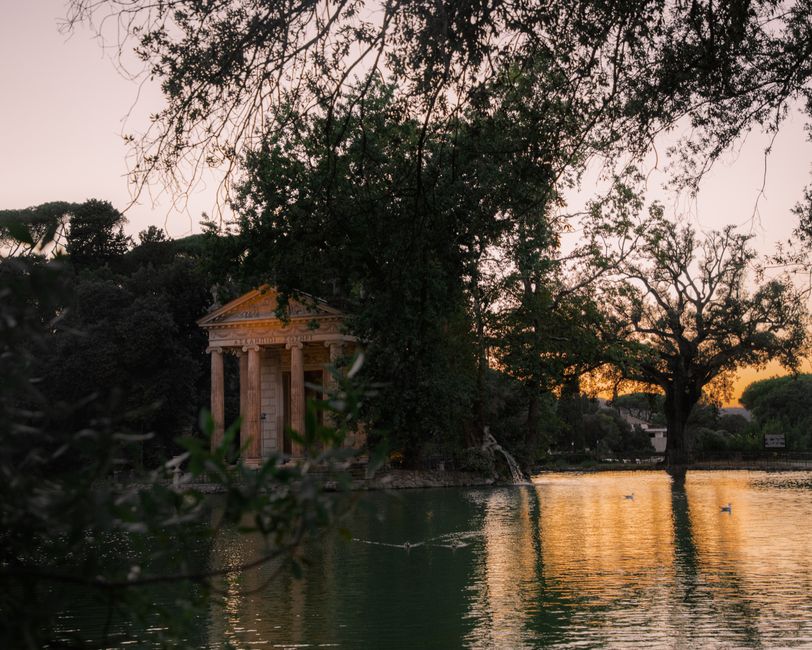
Via Veneto & Villa Borghese area
This is the “I want Rome to feel stylish and a bit spacious” neighborhood. It’s a nice middle ground when you want walking access but don’t want to feel fully trapped inside the densest tourist core.
Best for
- Travelers who like boulevard strolling, designer windows, and café culture
- People who want parks and open spaces as part of their daily rhythm
- First-timers who want walkable sightseeing but prefer a calmer pace at night
What your days feel like
- Mornings can be museum-and-park energy.
- Afternoons work well for shopping lanes and layered walking routes.
- Evenings are usually more “pleasantly busy” than “packed.”
Walkability reality check
- Many central sights are within a roughly 25–40 minute walk depending on your exact base and the direction you’re heading.
- The walk feels easier than in some tighter parts of Centro Storico because you’re not constantly fighting bottlenecks.
Trade-offs
- Not every “ancient ruin” moment is directly outside your door.
- It can be a touch pricier because it’s popular for people who want comfort.
How to use it smartly
- Plan 1–2 big sights per day, then use the rest of the time for long wander loops.
- If you’re doing sunset viewpoints, this area is a solid choice because you’ll already be set up for long strolls.
Prati
Prati is a favorite for first-timers who want to sleep better without giving up walkable access. It sits on the “calmer side” of central Rome—still close enough for big days, but with a more residential feel between sightseeing bursts.
Best for
- Travelers who want a straightforward commute on foot to major landmarks
- Anyone who wants good dining options without the most intense crowd energy
- People who like wide sidewalks and less chaotic streets
What your days feel like
- Your mornings are easy: walk, coffee, sight, repeat.
- Evenings are calmer—great for that “one last stroll, not one last maze” feeling.
Walkability reality check
- You can often walk to the central core in about 25–35 minutes.
- If you’re tired, you’ll still have options, but the whole point here is that your feet stay in charge.
Trade-offs
- If you’re the type who wants to be in the most atmospheric historic lanes all the time, Prati won’t feel as “old Rome character” heavy as Trastevere or Monti.
- It’s very convenient, which some people interpret as “less romantic.” That depends on your taste.
Evenings with atmosphere

Trastevere
Trastevere is the obvious choice for travelers who want Rome at night—music, laughter, late dinners, and that “everyone’s outside” energy.
Best for
- First-timers who want lively evenings and don’t plan to sleep early
- Travelers who enjoy atmospheric streets and fountain-splashed vibes
- People who want nightlife that’s walkable, not taxi-dependent
What your days feel like
- Mornings can be slower (or you’ll do a big sightseeing block), then evenings are the reward.
- You’ll be in the kind of neighborhood where plans happen around dinner.
Walkability reality check
- You can walk to central sights in roughly 30–45 minutes depending on where you are and what time you start.
- The walk back at night is part of the fun, but it can also be busy—especially on weekends.
Trade-offs (important)
- It can get loud. If you’re a light sleeper, prioritize double glazing, higher floors, or an interior-facing room.
- Some blocks get crowded enough that you’ll slow down even for short distances.
Where Trastevere shines for first-timers
- It’s one of the easiest places to turn “we’ll just grab a quick bite” into “we stayed out longer than we planned.”
Testaccio
Testaccio is where I send travelers who want Rome food culture and a more local evening rhythm—still lively, but less “party crowd” and more “proper neighborhood.”
Best for
- First-timers who love eating as an activity
- Travelers who want a social vibe but not the loudest nightlife
- Anyone who prefers a neighborhood that feels lived-in rather than curated
What your days feel like
- You’ll get a good mix of daytime exploring and relaxed evenings.
- It’s great if you want to do one big sight day and then focus on food and wandering afterward.
Walkability reality check
- Central areas are reachable on foot, but think 35–50 minutes for the deeper sights.
- The payoff is that you don’t feel like you’re constantly surrounded by tour groups.
Trade-offs
- It’s not the most “iconic postcard every corner” neighborhood.
- Expect more traditional street life than “festival-of-landmarks” energy.
How to plan your walking
- Use it as a base for food-focused afternoons and evenings.
- If you want to stack sightseeing hard, do it earlier in the day and let your evenings stay easy.
Slept-on walkable areas (less tourist crush)

Borgo
Borgo is a solid “sleep better near major landmarks” choice. It feels closer to a more controlled, calmer Rome experience while still letting you walk to the big-name areas.
Best for
- First-timers who want to be near the Vatican area but prefer a quieter vibe
- Travelers who like elegant strolling without constant crowds
- People who want an easy evening routine that doesn’t start with chaos
What your days feel like
- Mornings are typically straightforward: you can do a big landmark block and still have energy for a longer stroll afterward.
- Evenings feel more composed than Trastevere.
Walkability reality check
- Walk times into central Rome are often in the 25–40 minute range depending on the exact starting point.
Trade-offs
- It’s not as “messy and magical” as the most historic character neighborhoods.
- Some streets can be more practical than romantic.
Who should pick Borgo
- If you want walkable access to the headline areas, but you also want to feel rested enough to enjoy the next morning, Borgo is a smart compromise.
San Lorenzo
San Lorenzo is for travelers who want a lively student vibe and great food without being stuck in the most tour-group-saturated streets.
Best for
- First-timers who want nightlife and late meals but prefer something less touristy
- Travelers who like street energy, murals, and casual bars
- People who are okay with a slightly longer walk to reach the most famous sights
What your days feel like
- You can base yourself here and still do major sightseeing days, but plan your walking like a marathon—not like a casual stroll.
Walkability reality check
- For central “must-sees,” expect roughly 35–50 minutes on foot depending on your exact lodging.
- The neighborhood itself is super walkable for dining and exploring.
Trade-offs
- Late nights are more noticeable here. If you’re sensitive, choose a calmer street and avoid places right above bars.
- It’s not the best choice if you want to roll out and immediately be in the most iconic historic lanes.
Why it’s worth it
- If you want to experience “everyday Rome” and still keep walking as your main transport, San Lorenzo delivers.
Quick wrap-up: pick your Rome base in minutes
Match your vibe to the neighborhood (fast)
Use this cheat-sheet mindset:
- Ancient-heavy + atmospheric lanes: Monti
- Maximum walk-to-everything convenience (crowds included): Centro Storico
- Parks + boulevard strolling + calmer nights: Via Veneto & Villa Borghese
- Comfortable, less chaotic central base: Prati
- Loud-laugh-late-dinner energy: Trastevere
- Local food culture, social but not rowdy: Testaccio
- Quieter “near the big sights” base: Borgo
- Student-street vibe + great evenings: San Lorenzo
One booking checklist I actually use
Before you commit, do these two quick checks:
- Walk time sanity check: search your place and pick a fixed “anchor point” (for most people, that’s the main historic core). If your route feels like it will crush you after dinner, choose closer.
- Noise scan: look at reviews for sleep impact (street noise, bars nearby, thin windows). I’d rather pay a little more for quiet than lose half my trip to bad sleep.
And if you’re comparing rooms/apartments, I usually double-check the map distance and recent guest comments on Booking.com before I decide.
If you’re still torn, choose comfort over “perfect location”
Here’s the honest traveler truth: Rome is walkable, but you’re still going to have tired legs. A neighborhood that’s slightly less “photo-perfect” but more comfortable at night will make the whole itinerary feel easier.
If you want, tell me your travel dates and what you care about most (ancient sites vs. shopping vs. nightlife vs. quiet mornings), and I’ll point you to the best 2–3 neighborhoods from the list.