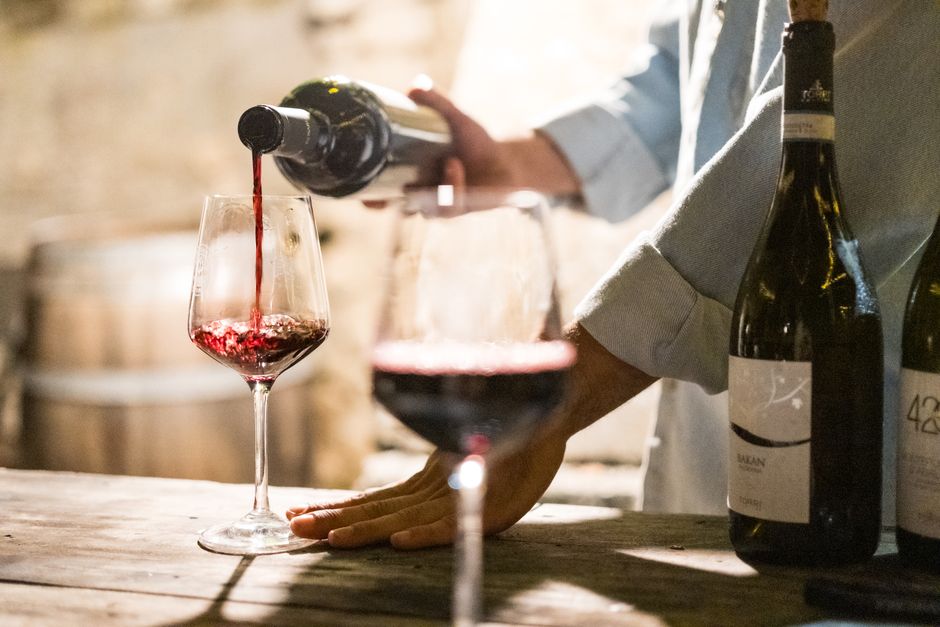
If you’re chasing Portuguese wines from Lisbon, these are the day trips I’d repeat—starting with Setúbal and Azeitão. I’ll give you a shortlist of wine-focused day-trip styles (plus nearby tastings), and for each one I’ll tell you what it’s best for, how you should get there, and how long to set aside.
Setúbal: Moscatel, sea air, and proper cellar time
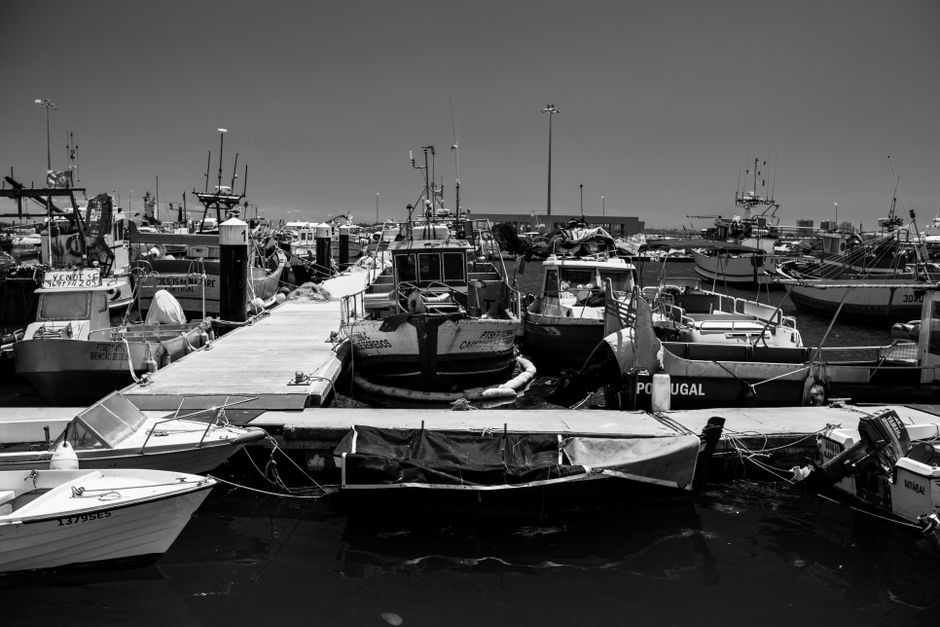
When people think “wine day trip from Lisbon,” Setúbal doesn’t always get mentioned first—but it’s one of the most fun places to drink here because you’re pairing tastings with the Sado region’s whole coastal vibe.
Best for sweet-wine lovers (Moscatel)
Setúbal is famous for fortified sweet wines, especially Moscatel de Setúbal. If you like your wine aromatic and a little dessert-y (think raisins, orange blossom, honeyed notes), this is your starting point.
You’ll usually get tastings that include:
- A sweet Moscatel sample (often the star of the show)
- Drier companions if you’re not strictly a “sweet only” person
- Sometimes a quick education on why the style is so distinct in this area
Trade-off: If you only want dry, food-pairing reds and nothing sweet, Setúbal might feel like it’s trying to convert you.
The “do it right” tasting structure (without rushing)
This is one of those days where pacing matters. I like doing it like this:
- Late-morning: arrive, wander the waterfront / downtown briefly
- Early afternoon: a guided tasting or appointment at a winery/estate
- Mid-to-late afternoon: second tasting (optional) or a sit-down meal where you can order by the glass
A good target is 6–9 hours total depending on how you travel and how many tastings you fit in.
Transport and duration: keep it simple
Setúbal works best when you don’t overcomplicate logistics.
Pick one approach:
- Car: most flexible for wineries that are a bit spread out; best if you want a relaxed second tasting
- Train/ferry-style options + taxi/local rides: doable, but you’ll feel timing pressure if you book very specific appointments
- Small-group tour: easiest when you want everything handled and don’t want to play “can I get there on time?”
If you want a smooth, appointment-style day without back-and-forth, I’ve used Viator to find guided tasting routes in the Setúbal area.
Azeitão & Arrábida: estates, tastings, and views that feel unfair
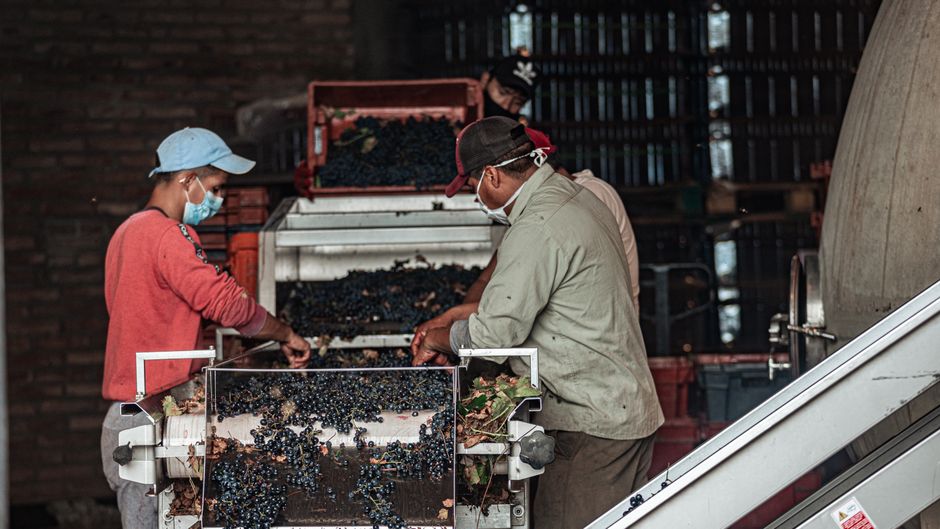
If Setúbal is your “wine + sea” day, Azeitão and the surrounding Arrábida Natural Park are your “wine + scenery” day. You’re basically stacking tasting time with jaw-dropping landscapes.
Best for estate-style tastings (the “slow wine” vibe)
Azeitão is known for wineries and tasting experiences that feel more like an outing than a quick stop.
Look for experiences that include:
- A seated tasting (rather than just a quick pour)
- Time to walk the estate / vineyards (even briefly)
- Food-friendly options if you want to pair wine with something local
Trade-off: Because the vibe is calmer and more scenic, these days can run long—so I wouldn’t schedule anything else the same evening.
Where Arrábida fits (and when to actually see it)
Arrábida Natural Park is the “wow” layer of this trip. The trick is not to turn it into a sightseeing marathon while also trying to taste wine.
A balanced plan looks like:
- One viewpoints stop (not five)
- A short scenic stroll or quick photo loop
- Then back to the tasting/meal focus
If you go when it’s bright and clear, it’s a complete cheat code for how good the day feels.
Timing that doesn’t feel rushed
I’d plan 8–10 hours for this one. That gives you:
- Enough time for 1–2 tastings (depending on how long each one is)
- A viewpoint stop without sweating the schedule
- A proper meal (because you’ll want it)
If you’re traveling in peak season, assume:
- Roads and parking can be busy
- Some tasting appointments are limited by day-of availability
Palmela: the easy-hitter for red-and-local tastings
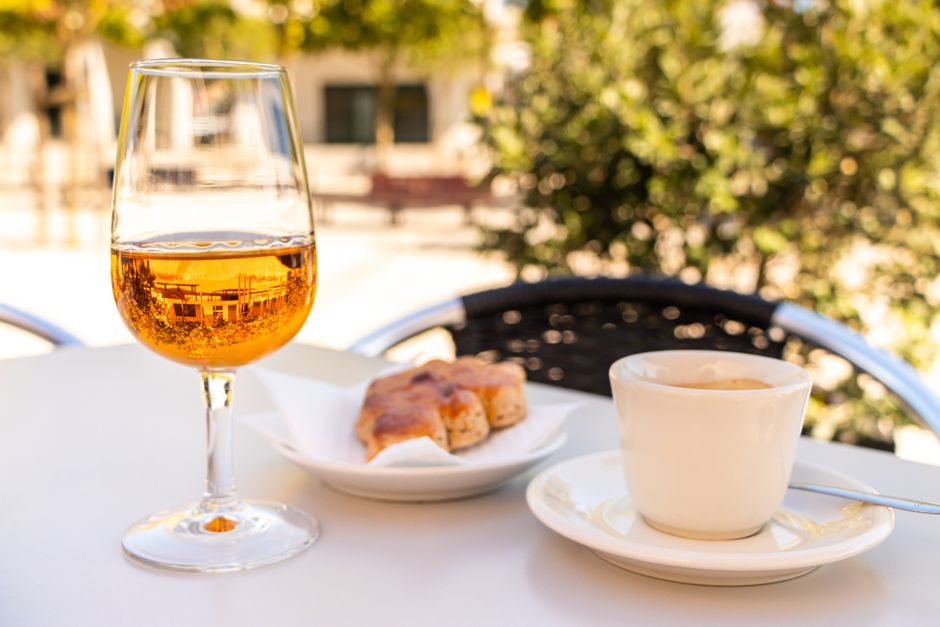
Palmela is a solid “middle option” day trip: close-ish to Lisbon, often less chaotic than the bigger headline routes, and great if you want wine without feeling like you’re living on a bus schedule.
Best for bargain-friendly, no-drama tastings
Palmela is a place I think of as “just make time for one good tasting.” The region’s appeal is that you can usually find:
- Friendly, straightforward cellar visits
- Tasting flights that cover a range (not just one bottling)
- Wine that works well with simple local food
You don’t need to be a sommelier to enjoy these days—honestly, it’s better if you’re relaxed.
Trade-off: Compared to the most famous estates, some experiences can feel less “storybook,” more practical. If you want dramatic vineyard tours above all else, Azeitão often wins.
Pairings you’ll actually want to eat
Here’s how I’d keep it grounded:
- After your tasting, choose a local meal where the wine list makes sense (by-the-glass options are your friend)
- Go for hearty, seasonal dishes—because they complement the style of wines you’ll typically see here
- If there’s a snack or small plates moment, take it. It makes the tasting feel richer.
Routes that work if you don’t want a full-day drive
Palmela is one of the more flexible options. If you want to minimize stress:
- Car: best for adding a second stop if you find a tasting slot
- Public transport + local rides: doable, but you’ll want a plan for the “last mile” to the winery areas
Duration target: 6–8 hours. This is ideal if you still want your evening back in Lisbon.
Sesimbra (and the Sado coast): wine with seafood energy
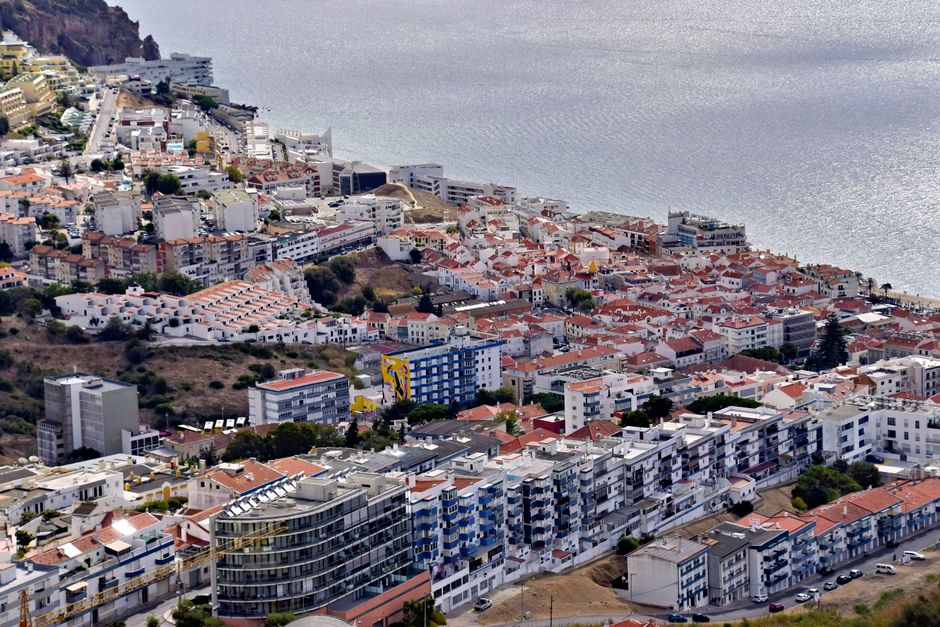
I’m including Sesimbra not because it’s “the wine capital,” but because it makes a brilliant day trip when you want wine and you also want a meal that feels worth leaving your apartment for.
Best for wine-meets-harbor days
Sesimbra’s appeal is the combination: you can drink something you like, then eat something you’ll remember.
What this day tends to be best for:
- People who want a “food first, wine second” flow (without sacrificing wine quality)
- Travelers who enjoy a relaxed coastal pace
- Anyone who wants the day to feel less like an appointment and more like an experience
Trade-off: You may have fewer “big-name, long tasting flights” compared to the core winery-focused areas.
What to taste without overthinking
If you’re not sure what you’ll like, use this simple decision system:
- Start with one wine in the style you think you’ll enjoy (dry whites if you’re a fresh palate person; reds if you lean richer)
- Then do one “contrast” pour (sweet if you started dry, or dry if you started sweet)
- Ask what locals recommend with seafood (it’s usually not complicated)
This keeps the day fun instead of turning into homework.
How long to give it
Set aside 6–9 hours depending on whether you add a guided tasting element or keep it to one main wine stop.
If you’re traveling in the busy parts of the year:
- Book anything tasting-related ahead of time
- Keep your travel window realistic so you’re not arriving hungry and flustered
Tróia Peninsula: longer, but a great full-day Sado sweep
If you’ve got the patience for a slightly longer day, the Tróia Peninsula side of the Sado region can be a fantastic way to mix scenery, beach time, and wine-focused stops.
Best for a beach + cellar combo
This is your “do a full day” option.
It’s best for:
- Travelers who want time outdoors before or after tastings
- People who like a bit of variety in one day (not just wine, not just sightseeing)
- Anyone who’s comfortable moving a little more slowly and building in breaks
Trade-off: It’s not the shortest day trip from Lisbon. If you’re tight on time, choose Setúbal or Palmela.
A practical way to do it
To avoid turning it into a rushed checklist, I’d plan:
- Morning: scenery break (even if it’s just a partial beach walk)
- Early afternoon: main tasting stop
- Late afternoon: either another small tasting / shop moment or a longer meal
A typical target is 9–11 hours.
What to expect from tastings
Because this day is more sprawling, your tastings will feel best when they’re:
- Pre-planned (so you’re not chasing availability)
- Not overly time-window tight
- Paired with something you’ll enjoy (food, a scenic walk, or both)
If you’re the type who likes spontaneity, you can still do it—just build more buffer into your schedule.
Final thoughts: pick your wine style first, then choose the trip
If you want a quick way to decide, use this cheat sheet:
- Setúbal: your best bet for Moscatel-style sweet wines and a coastal day with real tasting focus
- Azeitão + Arrábida: best for estate tastings + scenery where the views are part of the experience
- Palmela: your “easy-hitter” for straightforward tastings with less intensity than the biggest wine days
- Sesimbra: best for wine + seafood energy when you want a satisfying meal built into the day
- Tróia Peninsula: best for a full-day Sado sweep where beach time and wine both matter
One last thing: no matter which route you choose, I’d rather you plan one great tasting than cram in three quick ones you don’t have time to enjoy. That’s when the day actually feels like a holiday.