If you’ve ever wondered whether travel insurance will actually pay when you’re stuck in a foreign hospital, you’re not alone. In this guide, I’ll walk you through how to pick coverage for medical emergencies abroad and evacuation—prioritizing the limits, definitions, and exclusions that matter most.
Let’s get practical.
Start With the Two Numbers That Make or Break Claims

Coverage limits for medical treatment
Look for (and compare) the overall medical expenses limit. This is usually stated as something like “Medical expenses: $X” for the trip.
What to prioritize:
- A high total medical limit (not just the headline number you see first).
- The currency the limit is in (and whether it’s converted later).
- Whether the policy is single-trip or annual/multi-trip (annual policies can be great, but check the per-trip limits).
Quick reality check from experience: if you’re heading somewhere with expensive healthcare (think US-style costs), low limits can turn a “covered” event into a partial-pay situation.
Sub-limits and per-condition caps
The overall medical limit is only half the story. Many plans also use sub-limits for certain categories.
Common ones to hunt for:
- Hospital room/board caps (e.g., a maximum per day)
- Surgery and specialist fees sub-limits
- Outpatient doctor visits limits
- Diagnostic tests (imaging, lab work) caps
- Emergency dental limits (often small, even when you’re in pain)
If the policy has sub-limits, don’t just skim—compare them.
Deductibles, co-pays, and “reimbursement” wording
Even with good limits, you need to understand how they pay.
Look for:
- Deductibles (the amount you pay before coverage kicks in)
- Co-pays (you pay a percentage even after coverage)
- Reimbursement vs direct payment
- “Reimbursement” means you might need to pay first and reclaim later.
- “Direct payment/cashless” can reduce the upfront pain (not always available everywhere).
Trade-off to accept: the cheapest policies often have lower limits and higher cost-sharing. When the bill is high, cheap can become painful.
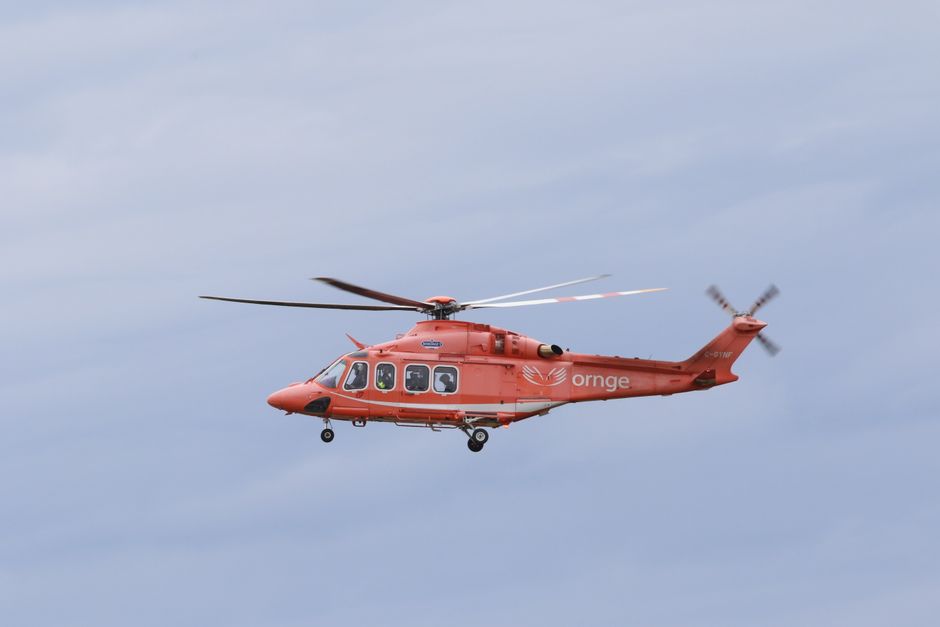
Evacuation Coverage: What It Actually Means
Medically necessary vs “any reason” travel
The policy usually requires an important condition: evacuation must be medically necessary, not just “we’d rather be treated at home.”
How to read it:
- Search for phrases like “medically necessary,” “to receive appropriate treatment,” and “only when no suitable local care is available.”
- Watch for “pre-approval” requirements (you may need to contact the insurer’s assistance team).
If you don’t follow the process (especially during an emergency), you can lose coverage.
Where they send you (nearest facility vs repatriation)
There are typically two concepts:
- Evacuation to the nearest appropriate medical facility
- Repatriation (returning you to your home country—sometimes after stabilization)
The key differences to compare:
- Does the policy clearly cover both evacuation and repatriation, or only one?
- Are there limits on distance/time or “reasonable travel routes”?
- Do they specify how decisions are made (often by medical staff arranging transport)?
Transport type and escort coverage
Evacuation costs vary wildly depending on what you need.
Look for whether the policy includes:
- Air ambulance vs commercial transport (and when each is allowed)
- Medical escort or qualified attendant coverage (some policies cap or exclude it)
- Wheelchair/oxygen support notes, if applicable
A policy that covers evacuation in theory but doesn’t clearly cover the realities of transport may still leave you exposed.
Exclusions tied to instability, warnings, and high-risk zones
This is where people get surprised.
Common triggers include:
- Government travel advisories (or changes after you buy)
- Activities in restricted/high-risk areas
- Acts of war or civil unrest
The exact rules vary by insurer, so don’t rely on what you “think they mean.” Find the exclusion language and confirm whether it applies to your destination and your timing.
Common Exclusions Travelers Miss (and How to Spot Them)

Pre-existing conditions (and what counts as “stable”)
Pre-existing conditions are one of the most frequent denial reasons.
Questions to ask in the policy document:
- What counts as a pre-existing condition?
- Do they require the condition to be stable for a time period (like months) before departure?
- Does the plan exclude treatment related to a pre-existing condition, or only specific complications?
- Is there an option for optional medical condition add-on coverage?
If you have any medical history (even “it’s under control”), read this section carefully.
High-risk activities and “reckless” wording
Many insurers treat adventure activities differently.
Watch for exclusions or requirement language around:
- Certain sports and training activities
- Off-piste skiing, climbing, scuba depth limits
- Anything described as professional, organized competition, or non-standard participation
Tip: don’t assume “recreational” automatically means covered. Check the exact list or the rules describing risk levels.
“Delay” and “no coverage if you didn’t do X” clauses
Some policies include conditions like:
- reporting procedures (how quickly you must notify the insurer)
- pre-authorization for evacuation/transfer
- limits on coverage if you choose a route or provider outside their process
In other words: insurance may be valid, but your claim can still fail if you don’t follow the steps.
When destinations change after purchase
Another common issue: policies sometimes change coverage once you’re already there.
Look for clauses about:
- new travel warnings
- sanctions or legal restrictions
- escalation events (protests, weather disruptions, border closures)
This is one reason it’s smart to keep the policy accessible offline and know the emergency contact number before you need it.
How to Compare Policies Without Getting Lost

Read the definitions section first
Before you compare benefits, scan definitions like:
- Medical emergency
- Sickness vs injury
- Emergency medical evacuation
- Home country / residence
Why this matters: two policies can both say “evacuation covered,” but one might define it narrowly.
Check the claim process and support coverage
A great policy on paper can still be annoying in the moment.
Look for:
- how to contact assistance during an emergency (and what info they’ll request)
- whether you’ll need pre-approval before transport
- expected timelines for claim submissions
Also consider practicality:
- Is there a 24/7 assistance service?
- Are there clear instructions for how to submit medical documents?
Spot the money traps: excess, caps, and reimbursement limits
Even if benefits sound similar, the cost to you can be very different.
Compare:
- deductible/excess amount
- any maximums per person
- any excluded expenses (for example, certain types of transport or accommodation)
- whether “medical” includes follow-up care related to the emergency
When I want a quick way to compare details side-by-side, I’ve used Ekta in the past—but I still end up reading the policy wording myself before deciding.
My Quick Checklist Before You Buy
Here’s my “don’t miss it” method. I use it every time because policies are written to sound reassuring—until you compare specifics.
The scenario test (if any of these hit, your policy must hold)
Before buying, ask yourself: “If this happened on my trip, would I be protected?” Then confirm the wording covers it.
Eight situations to test coverage against:
- Unexpected hospital admission for an injury or acute illness
- Major surgery that requires immediate treatment
- Emergency specialist care when the local clinic can’t handle it
- Ambulance/ground medical transport to a hospital
- Air or medical evacuation when local care isn’t appropriate
- Repatriation after stabilization back to your home country
- Prescription medication and follow-up treatment needed after an emergency
- Medical escort or additional support if you can’t travel unassisted
If the policy is vague here, or if key parts are “only in certain countries” or “subject to approval,” don’t hand-wave it.
Questions to ask (or search for) in the policy wording
You can usually find these answers directly in the terms, so use them as search prompts.
Look for answers to:
- What is the maximum medical limit and are there per-day/per-category caps?
- Is evacuation medically necessary and how is that decided?
- Does evacuation include repatriation, or only nearest-facility transport?
- Are pre-existing conditions excluded, and is there a stability window?
- Does the policy cover the kind of activities you’re doing?
- What’s required for pre-authorization and emergency notification?
Documents to keep handy so a claim doesn’t drag
In a medical emergency, you’re not going to feel like hunting through your laptop.
Save:
- a screenshot/photo of your policy number and emergency assistance contact
- your insurer’s claims instructions (PDF or saved email)
- passport and travel itinerary copies
- medical records you can get quickly (hospital discharge notes, test results)
And keep receipts if you have to pay upfront.
Small trade-off: some policies reimburse slower or require more paperwork. Decide what you can handle before you’re stressed.
Final Thoughts
Medical emergencies abroad aren’t the place to find out your policy is “almost” right. If you take one thing from this, make it this: compare medical limits, understand evacuation definitions, and hunt down the exclusions—especially pre-existing conditions and how the insurer decides what’s medically necessary.
If you want, tell me where you’re going and what you’ll be doing (relaxed city trip vs hiking/skiing/cruise), and I’ll help you build a short checklist of the exact clauses to look for.