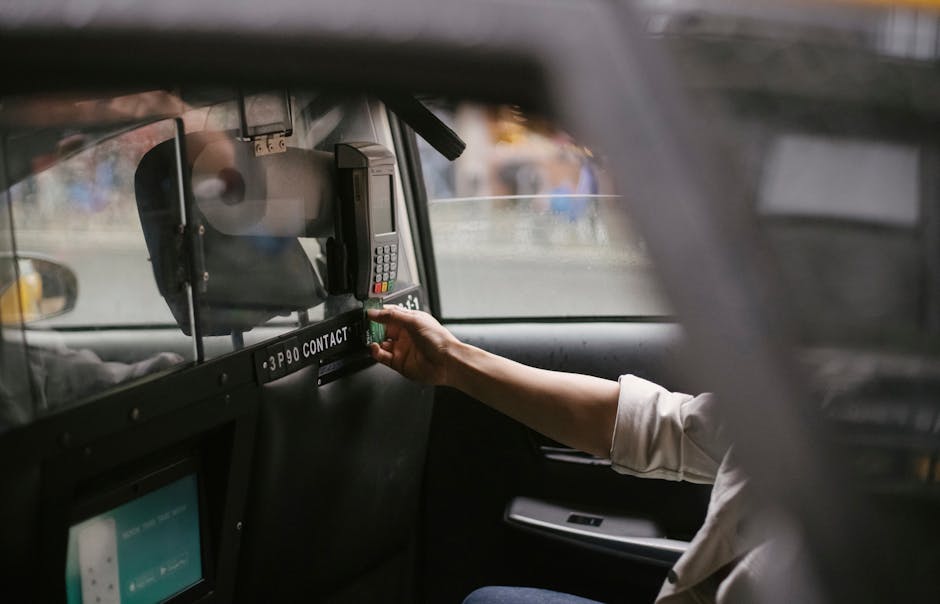
Getting around Dubai without a car is totally doable—you just need to play to the city’s strengths. Think: metro for the big corridors, tram/monorail for the waterfront bits, and taxis as a “skip the hassle” tool, not your default.
I’ll walk you through what actually covers what, how to budget taxis realistically, and how to plan a day so you’re not stuck juggling routes when the heat (or night) kicks in.
The big picture: what you can reach without a car
Dubai’s public transport isn’t perfect (rush hour can be busy, and coverage isn’t truly “everywhere”), but it’s way better than most places for a car-free holiday.
Metro coverage (the backbone of most days)
Dubai Metro is the fastest way to move long distances without thinking about traffic.
What you should know:
- Two main lines: Red Line and Green Line.
- Red Line is great for going between areas like Rashidiya / Dubai Marina / Downtown / Jebel Ali.
- Green Line is great for connecting Deira-ish areas toward Al Jaddaf, Bur Dubai, and further toward the Dubai Creek area.
- You’ll usually find metro stations close to major malls, business districts, and sightseeing hotspots—especially around Downtown and the Creek side.
Practical tip: if you’re planning your day around one “anchor” location near a metro station, the rest gets much easier.
Tram and monorail (for the waterfront + Palm)
Dubai uses rail a bit differently in the Marina and Palm areas.
- Tram: connects along Dubai Marina / JBR (Jumeirah Beach Residence) and nearby areas.
- Monorail: serves Palm Jumeirah (handy for getting around the island once you’re there).
Where this helps most:
- If your plan includes Marina/JBR beaches and promenades, tram makes that zone feel “walkable-to-rail.”
- If your plan includes Palm Jumeirah, you’re basically planning a short “rail to Palm” followed by monorail inside the Palm area.
Buses and walking (your flexible tools)
Buses can fill the gaps between rail stations, and walking can bridge “one stop away” situations.
What’s worth doing:
- Walk short distances intentionally (especially at night when it’s cooler and streets are well lit).
- Expect that some hotel areas aren’t a straight walk from a station—plan on a short taxi or bus hop.
- Treat public transport as a system: metro/tram for the bulk, then last-mile for the final stretch.
Metro + tram day itineraries (save your taxi budget)
If you want a car-free Dubai that feels easy, don’t build every day around “crossing the city.” Build around one rail cluster, then add a second area that’s still rail-friendly.
Downtown and Burj area (classic Dubai, very rail-friendly)
This is one of the easiest zones to do without a car. Metro drops you close, and you can walk around Downtown once you’re there.
Places worth centering your day around:
- Dubai Mall
- Burj Khalifa
- Dubai Fountain
- Souk Al Bahar
How to plan it so you don’t waste time:
- Start early or late: you’ll enjoy the area more when it’s less intense.
- Use the metro to get in, then walk between your “big stops”.
- Don’t overschedule around the fountain—it’s popular, and viewing spots get busy.
Marina and JBR (where tram shines)
If Downtown is your “big skyline” day, Marina/JBR is your “waterfront + strolling” day. This zone is where the tram starts feeling like it was designed for tourists.
Must-dos that work well car-free:
- JBR Beach
- Dubai Marina Walk
Practical moves:
- Plan a half-day here rather than trying to stack too many far-flung things in one go.
- If it’s hot, do indoor first (malls/attractions), then transition outdoors later.
Trade-off honesty: this area can be crowded—especially weekends—so expect shoulder-to-shoulder vibes around the busiest promenades.
Old Dubai vibes (Creek + heritage, with rail + short hops)
You can absolutely do Old Dubai without a car, but the key is to avoid expecting “metro door-to-door.” You’ll use rail, then finish with a short walk or a quick ride.
Car-free-friendly heritage targets:
- Dubai Creek and a traditional abra ride
- Al Fahidi Historical Neighbourhood
- Al Seef
How to make it work smoothly:
- Set your expectations: it’s a more “maze-like” area, so give yourself a little buffer for walking.
- Use the rail to get into the broader area, then rely on the local walking + water-travel moments.
- If you want the abra experience, plan it earlier in the day so you’re not rushing around as crowds build.
How to use taxis (and ride-hailing) only when you must
Here’s the thing: you can go car-free, but you still need a taxi plan. The goal is control, not avoidance.
When taxis make sense (instead of forcing public transport)
Taxis are worth it when they save you time, stress, or an ugly transfer.
Use them for:
- Last-mile gaps: when your nearest station still leaves you with a long walk through unshaded areas.
- Cross-city jumps: if you’d otherwise connect through multiple transfers.
- Early/late hours: when the metro/tram schedule won’t perfectly match your day.
- Heat management: if you’re carrying bags or traveling with someone who’ll struggle with long outdoor walks.
My rule of thumb: if a public-transport route means you’ll spend forever waiting, I’d rather pay for a direct taxi hop and keep the day enjoyable.
Budgeting for taxis when you must
Dubai taxi pricing can vary based on distance, time, and how your route connects. I can’t promise exact numbers without checking live fare rules, but you can budget intelligently.
How to budget like a realist:
- Plan “taxi days” as a category (days with more non-rail stops), rather than sprinkling tiny taxi trips everywhere.
- Expect short trips to be relatively affordable compared to cross-city rides.
- Cross-city taxi rides can add up fast—so try to limit these to 1 per day, max (often less if you’re planning well).
A practical method that works:
- Before you commit to a day plan, make a quick estimate for each non-rail hop.
- Add them up and compare to what you’re comfortable spending.
- If it’s too much, adjust by moving one attraction closer to your rail cluster.
Pickup and “no drama” taxi habits
Taxi rides are easy in Dubai, but a couple habits prevent headaches:
- Head to a clear pickup point (outside a mall/hotel entrance is usually smoother than wandering curb-to-curb).
- Be ready with your destination address—Dubai drivers are used to apps and map pins, but having the spelling helps.
- If it’s a busy time, expect a short wait.
- Keep a little cash/backup payment method just in case your app connection is flaky (it happens everywhere, not just Dubai).
Buses, trams, and last-mile planning
Once you’re confident with rail, the rest is really about avoiding “transfer chaos.”
Buses for the gaps (and how not to overthink them)
Buses aren’t as quick as metro, but they’re useful for bridging the distance between rail and where you actually want to go.
Tips:
- Treat buses as short connecting legs, not the entire plan.
- Build a day around rail first, then let buses help you reach the edges.
- If a bus route looks complicated, it might be a sign you’re trying to force a connection—consider a taxi hop instead.
Transfers without losing time
The easiest way to mess up a car-free plan is underestimating transfer time.
Use this workflow:
- When you choose your first anchor, also identify your second anchor (ideally in the same rail corridor).
- Plan transfers as if you’ll need extra minutes for stairs, station navigation, and crowds.
- If you’re doing something time-sensitive (like a show or a reservation), keep that as your final anchor, not your first.
Beach day logistics (how to make it feel effortless)
Dubai’s beaches are gorgeous, but planning matters.
A solid car-free beach day approach:
- Do rail to a nearby stop (tram for Marina/JBR areas, then walk).
- Bring a water bottle and something for shade—sun is no joke.
- If you’re traveling with beach gear, pack light enough that you won’t regret every step.
- Decide in advance whether you’ll stay until sunset or leave earlier—staying longer often means more people, more waiting, and more “where’s the transport now?” energy.
Plan each day like a pro (so you’re not stuck at dusk)
Here’s the part nobody tells you: the best car-free trips aren’t built on “routes,” they’re built on timing.
Pick an anchor (your rail-friendly starting point)
Start with this question:
- What’s the one place you’d be happy to return to if everything else slips?
Once you pick that, plan around it:
- Choose your anchor near metro or tram.
- Cluster one or two extra stops nearby, so you’re mostly walking.
- Leave a realistic buffer before your next move.
Add a second zone that matches the same movement style
To keep your day smooth, match zones by how they’re “moved through.” For example:
- Downtown style day: metro in + walk around + short rides only if needed.
- Marina/JBR style day: tram in + promenade/walks + short connections.
- Old Dubai style day: rail into the broader area + walking + “local transport” moments.
If your second zone requires multiple transfers, that’s your cue to either:
- swap it, or
- budget a taxi hop to keep the day enjoyable.
Evening wrap (taxis are your friend here)
Evenings in Dubai can be a little tricky without a car—popular areas get busy.
My approach:
- Plan your more crowded attractions earlier.
- Use rail for the early-to-mid part of the evening.
- If you end up in a less-rail-adjacent area, don’t force it—finish with a taxi.
Trade-off: you’ll spend more than someone who’s driving, but you’ll also save time, and that time is the point of travelling.
Final thoughts
Car-free Dubai is realistic (if you plan in clusters)
If you take one idea from this: build your days around metro/tram clusters, then use taxis strategically.
- Rail handles the “getting there.”
- Walking handles the “exploring.”
- Taxis handle the “don’t make this harder than it needs to be.”
My quick routine for each day
Before I leave my hotel, I do this:
- Check which anchor I’m starting with.
- Confirm the second zone is still in the same general rail area.
- Identify where a taxi might save me from a frustrating transfer.
- Give myself buffer time—Dubai moves fast, but people and stations also get busy.
Do that, and you’ll spend way less time planning rides—and way more time actually enjoying Dubai.