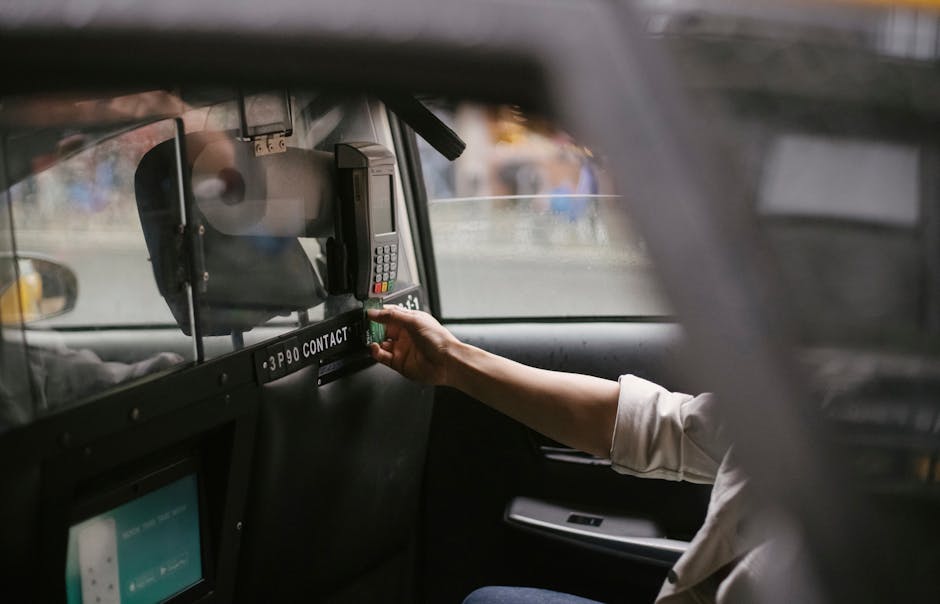
Hey fellow travellers—if you’re heading to London soon, you’ll want to know exactly how to use an Oyster card. This guide walks you through buying one, topping up, tapping in and out correctly (Tube, buses, and more), and what to do when you inevitably forget a tap.
If you’ve already looked at London transport options and felt your brain melt a little—same. Oyster is brilliant once you’ve got the routine down. Let’s make it painless.
Get your Oyster (and make sure it’s the right one)
Oyster vs Visitor Oyster: what’s actually different
For tourists, people usually mean one of these:
- Pay As You Go Oyster: You buy a card (pay a card deposit), then add credit. Great if your plans might change.
- Visitor Oyster Card (if available when you travel): Usually aimed at visitors and can be simpler if you know you’ll be doing a lot of trips.
Trade-off: Visitor versions can feel easier, but if your timing or routes change, Pay As You Go tends to be more flexible.
Where tourists can buy Oyster cards
You don’t need to hunt for some secret kiosk. Oyster is widely available through Transport for London (TfL) channels and big station setups. In practice, you can usually find them:
- Ticket offices at major Tube stations
- Self-service Oyster/Travelcard machines inside many stations
- TfL Visitor/Information points in tourist-heavy areas (availability depends on where you are)
If you’re arriving at an airport, it can be tempting to grab everything at the last second—but if lines are long, it’s often faster to move a little farther into the station for machines.
How much credit to add on Day 1
This is the bit nobody can calculate for you perfectly—because it depends on where you’re going and whether you’ll do day-trip hops.
A practical approach:
- If you’re staying central and doing a few rides a day: start with enough for a couple of trips plus buffer.
- If you’re doing multiple neighbourhoods (and a museum or two farther out): add more than you think you need.
Tip: Oyster fares are capped by day (you won’t pay unlimited amounts if you keep tapping), so topping up “a bit extra” is usually less risky than you’d expect.
Top up and tap: the quick routine
Where to top up Oyster credit
When you run low (or before you start your next busy day), you’ll typically top up through:
- Ticket machines inside Tube and rail stations
- Some staffed ticket desks
- Other TfL-supported top up points (varies by location)
What I do as a traveller: I top up at the station nearest to where I’m already going, not wherever the internet tells me to.
How to tap in and out on the Tube and rail
London’s key rule: on many rail services you usually tap in and tap out.
Here’s the routine:
- At a station with gates:
- Tap your Oyster on the reader when you go through the gate (tap-in).
- Tap out at your destination station when you exit (tap-out).
- At stations without gates (validators instead):
- Look for the Oyster readers at the entry/exit points.
- If there’s a validator when you enter and another when you leave, treat them like tap-in/tap-out.
Common mistake: Some stations make it feel obvious, others are a bit… sneaky. If in doubt, follow the flow: wherever you see readers, that’s where you tap.
How to tap on buses and trams
Buses and trams are simpler—often there’s only one tap you need to worry about.
- Buses: Tap your Oyster on the reader when you board.
- Trams (in the areas where they run): Tap when you enter, following the on-board/stop instructions.
If you’re new to London transit, buses are a good place to practice your timing because the driver usually won’t mind you taking a second—just don’t block the doorway while you’re figuring it out.
What an Oyster card covers in London (Tube, buses, trams, and more)
The services Oyster typically works on
Think of Oyster as “TfL network + a lot of rail within London.” In plain terms, your Oyster card is commonly used for rides on:
- Tube
- Buses
- Trams
- DLR
- London Overground
- Elizabeth line (within London zones, depending on your route)
Quick reality check: Some longer-distance rail services outside London’s TfL/zone setup may not work the same way. If your plan involves going way beyond central London, double-check with staff or station signs.
Zones, fare caps, and why central feels affordable
Oyster fares depend on the zones you travel through and whether it’s peak or off-peak. The good news is:
- Daily fare capping usually applies, so if you keep travelling in a day, you won’t pay endlessly.
- Peak vs off-peak can change how much single rides cost.
Traveller translation: If you’re doing lots of rides, Oyster’s capping is what makes it less scary than paying for every trip like it’s a one-off taxi fare.
Transfers and how you avoid double charging
Your Oyster ride is designed to handle normal transfers, but the tap timing matters.
General rules to keep in your head:
- If your journey uses multiple Tube/rail segments, you’re still part of one continuous trip—but you must tap in/out at the right start and end points.
- Transfers on the Tube usually don’t require you to re-tap mid-journey if you’re staying within the paid/gated system.
- If you leave the system and re-enter later, that’s more likely to trigger new tap requirements.
Paying attention to your route (so you don’t get charged extra)
Gates vs open validators: how to spot where tapping is needed
London stations are all slightly different, so here’s how to read the environment like a pro:
- Gates:
- You’ll see Oyster readers or screens by the entrances.
- Tap card, then go through the gate.
- Open platforms / corridors with readers:
- Follow signs and tap where the validator is.
- Often there’s a reader at the entry point and another at the exit point.
If your card “doesn’t beep” or the reader flashes oddly:
- Pull your Oyster out, hold it flat and still.
- Try again.
- If it still fails, ask station staff—don’t keep walking through as if it’s fine.
Transfers: what counts as the start and end of your trip
The biggest “gotcha” for tourists is misunderstanding when you’ve truly ended your journey.
In practice:
- Your journey generally starts when you tap in.
- It generally ends when you tap out (at the final station of that trip).
If you’re hopping between areas a lot (say, sightseeing → lunch → sightseeing), you’ll want to confirm you’ve tapped out at the end of each rail segment you’re leaving.
Peak/off-peak sanity (without overthinking it)
You don’t need to memorise London’s full fare timetable, but these tips help:
- If you can, plan some flexible sightseeing for off-peak hours.
- If you’re travelling during a busy time, consider grouping errands so you’re not constantly starting new trips.
- Buses can be a lifesaver when Underground lines feel packed—plus they help you avoid gate-based tapping stress.
Trade-off: Off-peak can save money, but it can also affect your itinerary. I always choose convenience first; then I use off-peak when it’s genuinely practical.
If you forget to tap in or out: the “oops” playbook
What happens when you miss a tap
If you forget to tap in or out on many rail services, Oyster can charge a fare based on how it interprets your journey. Depending on the situation, that could mean:
- A higher or maximum fare if it thinks you didn’t tap out correctly.
- A trip that doesn’t get recorded the way you expected.
The key thing is: don’t panic. Missing touches are common for tourists and visitors, and TfL has a process for correcting them.
How to spot and document the issue
Before you submit anything, gather what you need:
- The approximate date and time of the trip
- The stations involved (or nearest stations you entered/exited)
- Your Oyster card balance and travel history (if available)
Quick checklist:
- Did you forget the tap at the start (tap-in)?
- Did you forget the tap at the end (tap-out)?
- Which service was it (Tube/Overground/DLR/Elizabeth line)?
Submitting a missing touch / correction request
If you missed a tap, you can usually raise it through TfL’s “missing touch” or Oyster/contactless correction process.
Since the exact wording and form can change, the general approach is:
- Use the official TfL support pages for Oyster/contactless
- Choose the option for missing touch in/out
- Provide the date, time, stations, and card details
- Wait for review (it can take time)
Practical tip: Do this sooner rather than later. The longer you leave it, the harder it becomes to remember stations and times.
If you’re worried about getting it wrong again
Here are the “I wish I’d done this earlier” habits:
- When you enter a gate-controlled station, make tapping the first move.
- If you transfer using stairs/corridors, don’t rush past the first reader you see—slow down and confirm where you need to tap.
- Keep your Oyster in the same pocket location so you can pull it out instantly.
- If you’re boarding a bus, tap as you step on, not after you’ve already moved deeper into the cabin.
Alternative option: If you’re also eligible to use a contactless card (some travellers are), that can make tapping easier because there’s no separate card to manage. But for this article, Oyster is your focus—and once you nail the tapping routine, it’s smooth.
Quick recap before you board
Your 30-second Oyster checklist
If you only remember one thing, remember this:
- Buy it at a Tube station ticket office or Oyster machine.
- Top it up at station machines when needed.
- Tap in/out for Tube/rail trips where gates or validators require it.
- Tap on buses when you board.
- Tap in the tram area when you enter.
Final sanity-saver
If something feels off—like the reader didn’t register, or you’re sure you skipped a tap—act quickly. Check your journey records if you can, then use TfL’s missing touch process.
And hey: you’re not the first tourist to miss a tap, and you won’t be the last. Once you’ve done it a couple of times, Oyster becomes second nature, and you’ll spend less time thinking about fares and more time enjoying London.