Hey fellow travelers—if you’re looking for the best day trips from Copenhagen by public transit, I’ve got you. Below is my practical shortlist of destinations (with typical travel times) and the best things to do once you’re there.
North & Royal Denmark by Train
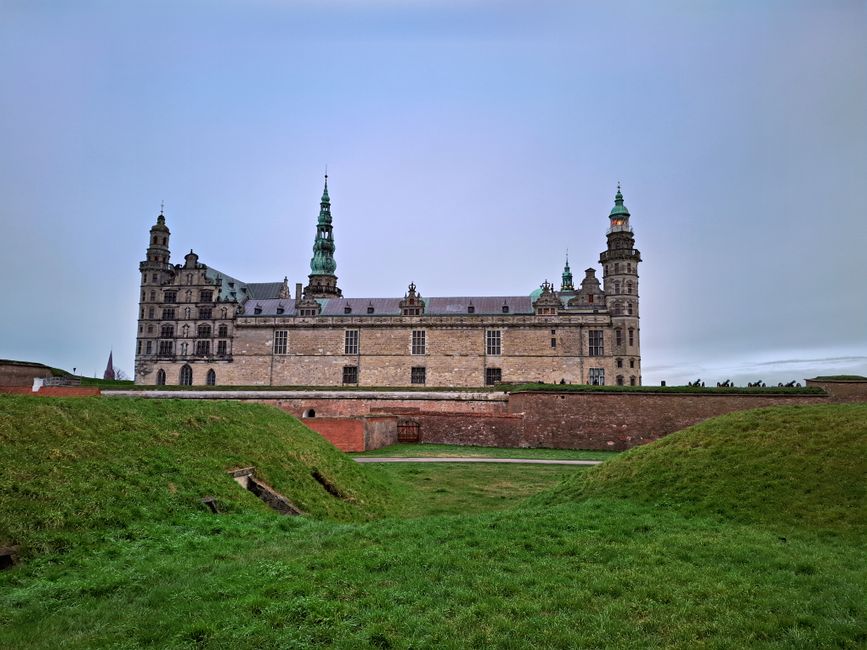
Helsingør (Kronborg Castle and seaside streets)
If you want a “walkable town + major highlight” day, Helsingør is the one. From Copenhagen, you’re typically looking at about 45–60 minutes one-way by train.
What to do (without overplanning):
- Kronborg Castle (Hamlet vibes, real fortress history)
- Walk the harbour and old-town streets—this is where the day becomes pleasant
- Lookouts along the waterfront for classic Øresund views
- If the weather’s good: linger outside (Helsingør feels better slowly than rushed)
Why it’s worth it:
It’s one of those trips where public transit drops you near the centre, you can do the big-ticket attraction, then just enjoy the coastline.
Transit notes:
- Train to Helsingør station first.
- From there, it’s easy on foot to the castle/harbour area.
- For a smooth day, try to leave Copenhagen before mid-morning.
Hven (Ven) Island: Tycho Brahe, bike paths, and calm views
This is the “quiet upgrade” to a Helsingør day. You go to Helsingør by train, then take a short ferry over to Ven (Hven).
Typical travel time:
- Train Copenhagen → Helsingør: ~45–60 minutes
- Ferry Helsingør → Ven: ~20 minutes (plus waiting time)
- Overall: about 1.5–2.5 hours door-to-door depending on connections
What makes Ven special:
- A slower island pace (no big-city noise)
- Easy cycling and walking routes
- Science history (Tycho Brahe’s connection is the big story)
- Views across the water that feel genuinely different from Copenhagen
A good day plan:
- Arrive in Helsingør, buy/confirm your ferry timing, then head over.
- Spend the middle part of the day walking/cycling.
- Ferry back with time to catch dinner in Helsingør or return to Copenhagen.
Trade-off to know:
Ven is about relaxation and exploring—not about stacking many “attractions.” If you love long, unhurried afternoons, you’ll be happy.
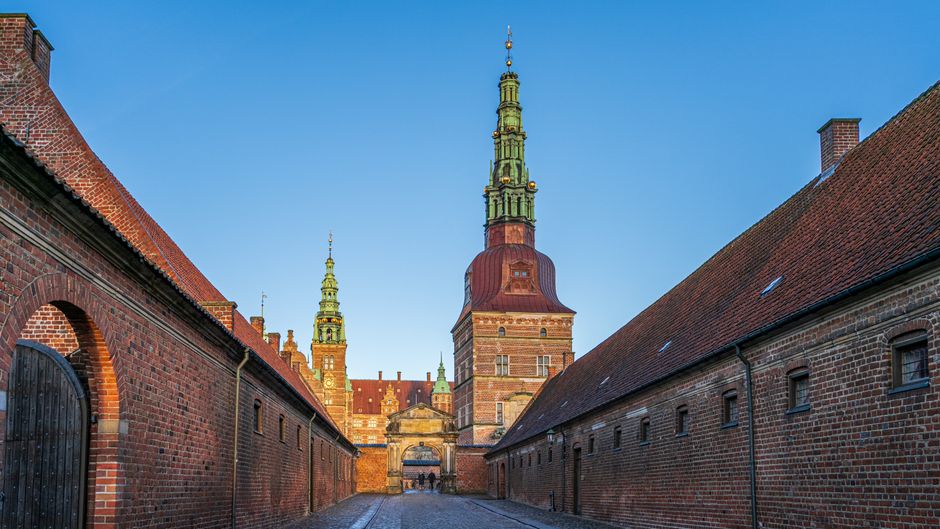
Hillerød & Frederiksborg Castle (Frederiksborg Slot)
This is another royal-day classic, and it’s easy by rail. From Copenhagen, expect around 45–70 minutes by train to Hillerød.
What to do:
- Frederiksborg Castle (big, scenic, and very “Denmark”)
- Explore the grounds—often the best part is just wandering
- Pair it with a coffee break in town rather than trying to cram more
Why it’s worth it:
It scratches the same “grand history” itch as Copenhagen’s top sights, but you’re out in the countryside atmosphere instead of staying urban.
Transit notes:
- Train to Hillerød station.
- Castle access is straightforward; plan on a pleasant walk or a short local connection.
Humlebæk & Louisiana Museum of Modern Art
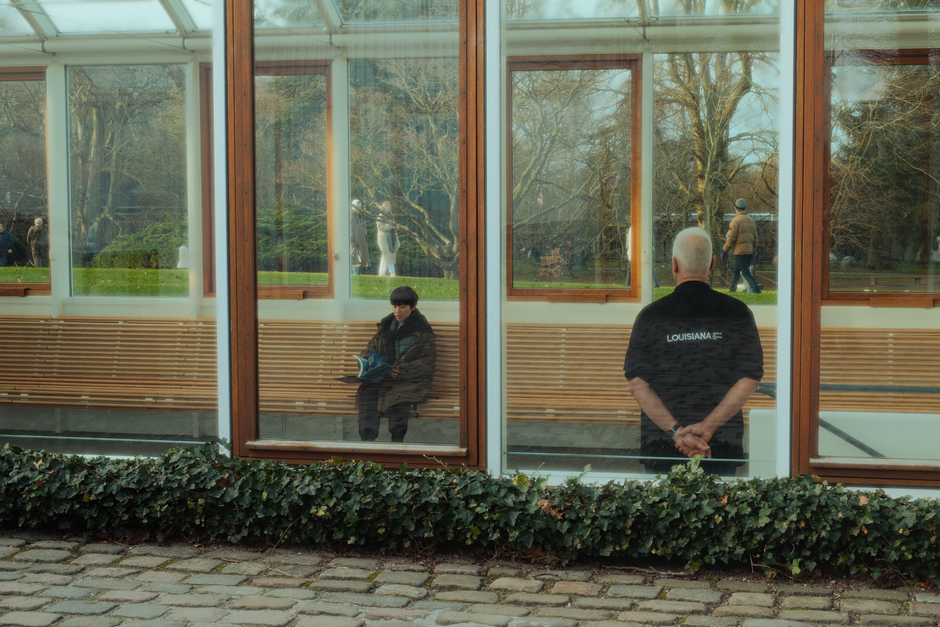
If your day trip includes art (or you just want something different from castle-and-cathedral days), Louisiana is fantastic.
Typical travel time:
- Copenhagen → Humlebæk by train: ~30–45 minutes
- Add a walk/short local hop depending on where you enter from
What to do:
- Louisiana Museum (the art is the headline, but the setting matters too)
- Waterfront grounds—it’s a lovely “sit and decompress” place
- If it’s open/available: short guided talks or exhibitions (check the schedule locally)
Why it’s worth it:
The building and grounds are part of the experience. Even if you’re not a hardcore museum person, Louisiana is enjoyable because the space is so well made.
Trade-off to know:
It can feel pricey compared to smaller Copenhagen day activities. If you’re visiting more than one attraction that day, do Louisiana as the anchor.
Old Towns, Beaches, and Easy Zealand Days
Roskilde (Vikings, cathedral, and a very “go with the flow” centre)
Roskilde is one of the most practical day trips from Copenhagen—easy to get to, and there’s enough variety to keep a day from feeling samey.
Typical travel time: ~30–45 minutes by train from Copenhagen.
What to do:
- Roskilde Cathedral (iconic and very much worth stepping into)
- Viking history (great for anyone who likes museums that don’t feel sterile)
- Stroll the old streets around the central area
- If the weather’s decent: take your time by the water
Why it’s worth it:
You can make Roskilde a culture-heavy day or a “history + wandering” day. Either way, it stays enjoyable.
Transit notes:
- Rail station → centre is generally walkable enough for most plans.
- Start early if you want museum time plus a relaxed meal.
Køge (Seaside town energy + a historic core)
Køge is the kind of place I keep returning to because it feels like a real Danish town—not a theme park.
Typical travel time: ~30–40 minutes by train.
What to do:
- Walk the historic streets around the centre
- Seaside strolls (especially nice when the wind isn’t too wild)
- Look for a local bakery stop—this is a “feed yourself well” destination
- If you like markets or shops: browse slowly
Why it’s worth it:
It’s low-stress. You’ll spend less energy on logistics and more on enjoying the day.
Trade-off to know:
If you’re chasing “one massive global-famous sight,” Køge won’t be that. It’s more about vibe and a comfortable pace.
Dragør (Old fishing village charm)
Dragør is a great public-transit day trip if you want something scenic and peaceful. It’s also a nice break from big attractions.
Typical travel time: ~25–40 minutes by train or local transit, depending on your exact route.
What to do:
- Wander the old village streets
- Harbour views and waterfront walks
- Beach time when the weather allows (it’s more “simple relaxing” than beach club)
- Grab a slow lunch and let the day stretch
Why it’s worth it:
It feels small, coastal, and genuinely old-world compared to central Copenhagen.
Transit notes:
- Plan to walk most of the time once you arrive—this destination rewards wandering.
Gilleleje (North coast beaches and fresh-air wandering)
Gilleleje is a solid choice when you want sea air without committing to a long journey. It’s popular in warmer months, but even outside peak season, it can be a nice “reset” day.
Typical travel time: ~1–1.25 hours by train.
What to do:
- Stroll the seaside promenade
- Spend time at the beaches (pick the plan that matches the weather)
- Explore the harbour area and local streets
- Do one activity, then relax—Gilleleje is best when you don’t overpack your schedule
Why it’s worth it:
It’s an easy way to swap city rhythms for coastal time.
Trade-off to know:
On gloomy/windy days, the “beach town charm” becomes more “walk, coffee, and enjoy the air.” Still pleasant—just different.
Sweden in a Day: Øresund Routes
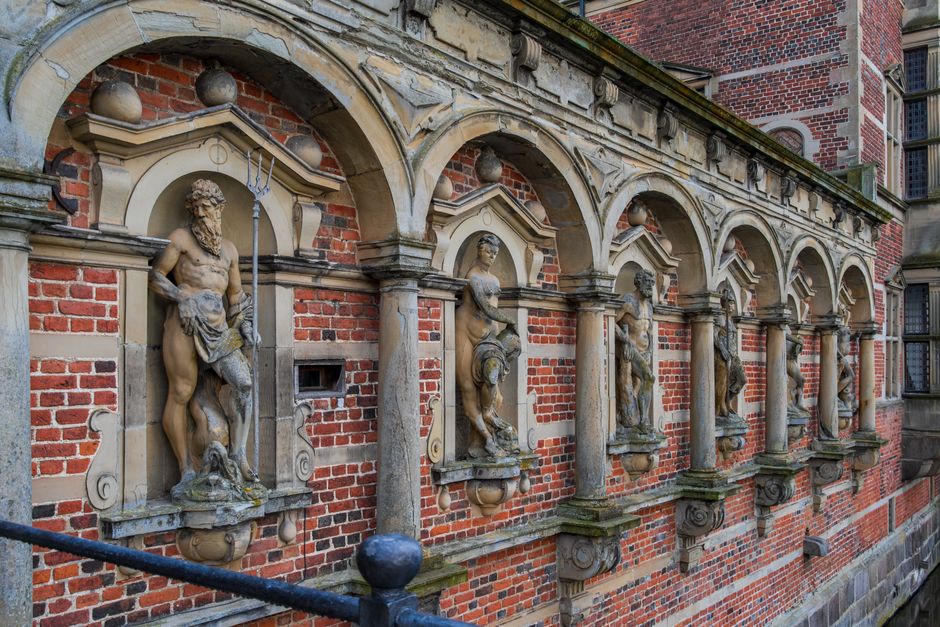
Malmö (street life, canals, and a great food day)
Malmö is one of the easiest “international-feeling” day trips from Copenhagen because the connection is straightforward and the city is easy to explore.
Typical travel time: ~35–50 minutes by train (Copenhagen → Malmö).
What to do:
- Walk the central areas—Malmö has a relaxed, modern vibe
- Enjoy food and cafés (this is often where Malmö shines)
- If you like neighbourhood exploring: pick one area and go deep rather than hopping everywhere
Why it’s worth it:
It’s close enough that you don’t waste your day travelling, but different enough that you still feel like you went somewhere.
Trade-off to know:
It can be easy to over-schedule—don’t. Malmö is better when you let it become a wandering day.
Lund (cathedral views + student-city atmosphere)
Lund is a favourite when you want an elegant day trip with a calmer feel than Malmö.
Typical travel time: about 1.25–1.75 hours door-to-door from Copenhagen (often via Malmö as a transfer).
What to do:
- Lund Cathedral (the centrepiece for many visitors)
- Stroll the historic streets around the centre
- If you like architecture: slow down and look up
- Spend time in cafés and bookstores (student-city energy works for a relaxed itinerary)
Why it’s worth it:
Lund feels “tidy and thoughtful.” It’s a great contrast to busier European cities.
Trade-off to know:
If you only have a short window, Lund can feel a bit like a “sight + walk” day. That’s not bad—it’s just how it’s best enjoyed.
Planning Tips for Smooth Public-Transit Days
Start early (especially on weekends)
If you want the day to feel enjoyable—not rushed—leave Copenhagen in the morning.
Why early helps:
- You’ll hit fewer crowded trains
- You’ll have more flexibility if you’re waiting on a connection
- You’ll be less stressed about museum opening times
Use a transit planner for “connection sanity”
I’m practical about this: check a route planner before you commit to a departure time.
What to look for in the planner:
- Whether your connection requires a tight transfer
- The first/last sailing if you’re doing any ferry segments (like Ven)
- Platform or station changes (sometimes they matter more than you expect)
Ferry timing needs a buffer (even when the trip is short)
Any day trip that includes a ferry (Ven from Helsingør is the one in this list) benefits from slack.
My rule of thumb:
- Add 30–45 minutes of buffer around ferry connections
- If you’re unsure, go earlier rather than “just in time”
Keep your focus to one “area” per day
The fastest way to turn a great day trip into a tiring one is trying to do too many neighbourhoods.
Try this instead:
- One main sight (castle/museum/cathedral)
- One wander zone (harbour/old town/promenade)
- One food stop you actually look forward to
Final Thoughts: Pick a vibe, not just a checklist
If you want drama, go royal
- Helsingør + Kronborg is the obvious win.
- If you want to extend it, Helsingør + Ven is a fantastic “history + calm island” combo.
If you want an easy day with minimal stress, go coastal
- Dragør and Gilleleje are great when you want sea air, walking time, and a low-effort schedule.
If you tell me what month you’re going and whether you prefer museums, beaches, or just wandering with good food, I can help you pick the best 1–2 options from the list.