Hey there travel enthusiasts and welcome to my post where we will check out my 7 Things You’re Actually Owed When Your Flight Gets Cancelled this year.
I know that sinking feeling: you’re at the airport (or worse, already en route) and your screen goes from “Gate changed” to “Cancelled”. At that point, most of us just want one thing—money back or a way to still get home.
But here’s the tricky part: airlines will often act like “cancelled” means “sorry, too bad”. Sometimes they’re half-right (legally). Other times they’re hoping you’ll give up before you ask the right questions.
So I’m going to break down what you can usually claim under EU261 (common for flights departing the EU/EEA/Switzerland and some flights operated by EU/EEA carriers) and what typically applies under US DOT rules (refund-focused, less “fixed compensation”). I’ll keep it practical and in plain English.
1) First, calm down: what “cancelled” really changes
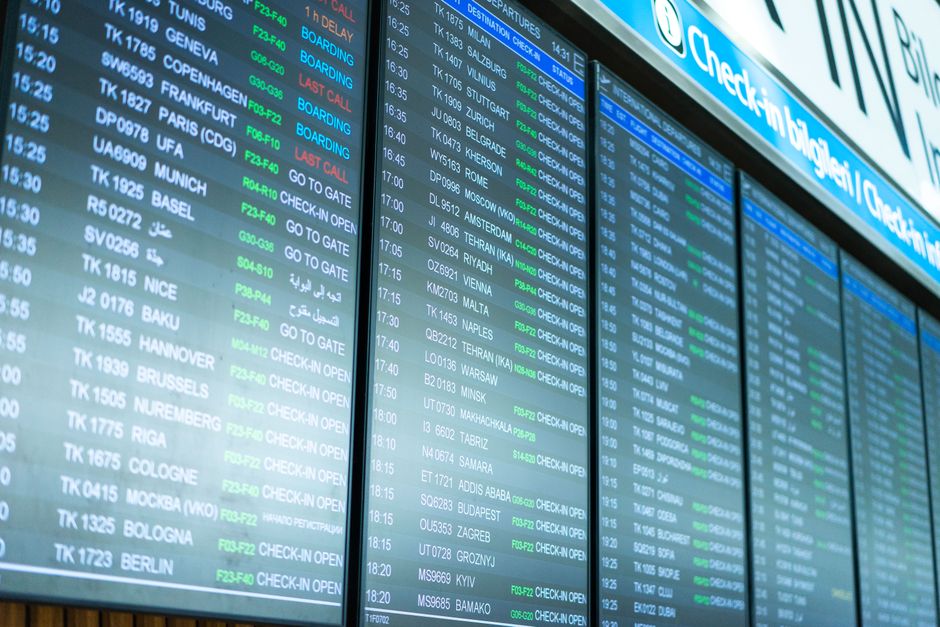
Before you start demanding anything, make sure you’re dealing with an actual cancellation (not just a delay or a flight number change).
EU261 triggers: where the rules apply
EU261 can apply when your flight:
- Departs from an EU/EEA country (plus Iceland, Norway, Switzerland) or
- Is operated by an EU/EEA airline and arrives in Europe (even if the origin isn’t in Europe)
Trade-off to know: EU261 is strong, but it doesn’t cover every single scenario, and the “reason” for cancellation matters a lot.
US DOT reality check: fewer fixed compensations
For US flights, the big pattern is:
- You often have a strong refund right if the airline cancels or makes a significant change and you choose not to travel.
- There’s not a simple, universal “you get $X compensation” rule the way EU261 works.
- Sometimes you can argue for additional compensation under an airline’s own contract of carriage, depending on facts.
Cancellation vs delay: don’t let them blur the lines
A few quick tells that matter:
- Cancelled usually means you won’t get the exact flight you booked.
- A “cancelled and rebooked” situation can still trigger rights, but the details (what they offered and when) matter.
- A “significant delay” isn’t the same as a cancellation under EU261.
If you can, grab screenshots of the app/website status plus the email text that says “cancelled”. Those few lines become useful later.
2) 7 Things You’re Actually Owed When Your Flight Gets Cancelled

This is the heart of it. Think of this as your checklist—what you should be asking for, and what EU261 vs US rules generally support.
1–3: the big-ticket options (refund, rebooking, assistance)
Here are the first three things to ask for, in the order I’d think about them:
-
A refund if you don’t take the alternative
- Under EU261, you can usually request a refund for the unused ticket (especially if the flight won’t happen as booked).
- Under US DOT rules, you generally have a refund right if the airline cancels or makes a significant change and you choose not to travel.
-
Re-routing / getting you to the destination (or a practical alternative)
- Under EU261, re-routing is part of the options airlines must offer.
- Under US DOT rules, the airline should provide options (often rebooking) when they cancel.
-
Care/assistance if you’re stranded (EU261 especially)
- Under EU261, if your situation involves waiting for a new flight and you’re effectively stuck, you can often request reasonable assistance (think meals, hotel/transport where applicable).
- Under US rules, assistance isn’t usually as clearly standardized, so expect more variability depending on the airline and circumstances.
4–7: compensation (sometimes), paperwork, and escalation
Now the remaining four—where airlines sometimes try to slow-walk you.
-
Possible EU261 compensation (if eligible)
- Under EU261, there may be fixed compensation amounts (commonly €250 / €400 / €600) depending on distance and other conditions.
- But: compensation can be denied if the airline argues the cancellation was caused by extraordinary circumstances and they took “reasonable measures” to avoid the impact.
-
A clear explanation of what they’re relying on to deny or limit rights
- Ask for the reason category (weather, air traffic control, technical, crew, etc.) and the airline’s basis for saying you’re not eligible.
- If they keep it vague, that’s your cue to request specifics.
-
Your full refund returned to the original payment method (where applicable)
- Under US DOT, refund decisions generally need to follow the rule and be sent back to the original form of payment.
- Under EU261, you’re also generally looking for a true refund if you opt out, not just a future travel voucher.
-
Escalation if they refuse
- Under EU261, if you get stonewalled, you can escalate via the relevant national enforcement body (the country where the issue is handled) or pursue a formal complaint path.
- Under US DOT, you can file a complaint with the DOT and also use practical tools like disputing the charge with your card provider (when appropriate).
Quick note: I’m intentionally not promising payouts here. Eligibility can hinge on distance, notice timing, route, and the cancellation cause. The win is usually about getting the facts and using the right pathway.
And if you end up with a messy EU261 claim and you just want someone to chase the paperwork, I’ve used AirHelp once for an EU261 case. It wasn’t magic, but it did take the admin off my plate.
3) What Airlines Hope You Miss (And How to Respond)

Let’s be honest: airline customer service teams are busy, and some cancellations are genuinely chaotic. But there’s also a pattern where airlines try to get you to settle for the easiest offer.
The “extraordinary circumstances” maze
EU261 has this key idea: airlines aren’t always on the hook for compensation if they can point to extraordinary circumstances (and show they took reasonable steps).
Common examples you’ll hear (not a free pass, but you’ll see them):
- Severe weather
- Air traffic control disruptions
- Strikes affecting operations
- Certain security risks
- Some technical issues (the details matter a lot here—“technical” doesn’t automatically mean “extraordinary”)
How you respond:
- Ask what exactly happened in plain language.
- Ask what decisions they made to reduce the disruption.
- Ask when you were notified and what alternatives were offered.
“No compensation” emails that hide the real issue
A lot of replies sound final:
- “We’re sorry, but no compensation is available.”
- “This is beyond our control.”
- “You’ll receive a refund/voucher only.”
What airlines hope you do next: stop reading.
What you should do next:
- Request the notice timeline (when the cancellation decision was communicated).
- Request re-routing details (what flight options they offered and when you were rebooked).
- Ask them to state which rule they think applies (EU261 eligibility vs US refund-only policy).
Missteps you want to avoid
Even if you have rights, you can accidentally weaken your claim.
Watch for these common problems:
- Accepting a voucher too quickly when you wanted a refund
- Not saving proof of the cancellation time and reason
- Letting “it was already handled at the airport” become the end of the story
- Missing deadlines for formal EU261 complaints (timing varies by country)
If you’ve got the energy, the best move is simple: keep everything in one folder—screenshots, boarding passes, emails, and receipts.
4) EU261 Compensation in Plain Numbers (Without the Guesswork)
This is where people often get confused, because EU261 compensation has fixed amounts, but the eligibility can be messy.
The €250 / €400 / €600 breakdown
Under EU261, compensation is commonly tied to flight distance (great-circle distance from origin to destination):
- Up to 1,500 km: typically €250
- More than 1,500 km within the EU (and certain other route categories): typically €400
- More than 3,500 km: typically €600
Important trade-off: even if the distance matches, you still may not get compensation if the airline successfully relies on extraordinary circumstances.
Notice timing can change the outcome
EU261 compensation isn’t only about “cancellation happened”. It can depend on whether passengers were informed within certain time windows and whether offered alternatives line up with expected arrival times.
Practical takeaway:
- The airline should be able to point to when you were notified and what rerouting they offered.
- If they sent confusing messages (“we’ll email you”, last-minute airport updates), document it.
Refunds can still matter even when compensation doesn’t
Even when compensation is disputed, refunds often remain a core right when you choose not to travel.
So if you’re getting pushback on compensation, don’t forget to pivot to:
- Refund (unused ticket)
- Any out-of-pocket costs you can justify under the specific circumstances
Again: no promises—just a smarter argument.
5) US Cancellation Refunds & Rebooking: What to Expect
If you’re flying under US DOT rules, the tone is usually less “here’s a set compensation amount” and more “refund and rebooking basics”.
Refund rights in plain English (the big idea)
In general, if the airline cancels (or makes a significant change), and you decide not to travel, you should be able to get a refund to the original payment method rather than being pushed into travel credit only.
What to watch for:
- Airlines sometimes offer a voucher first. If you want a refund, say so clearly.
- If you already incurred costs (like unused ground transport), refunds don’t automatically cover that—sometimes you can seek reimbursement depending on facts, but it’s not guaranteed like the EU261 compensation model.
Voucher pressure and “credit-only” offers
When you hear “we can only do travel credit,” your response should be:
- Ask whether a refund to your original payment method is available.
- Ask for the refund process in writing.
Trade-off: if you’re traveling soon and you want to protect your trip, sometimes accepting a rebooking or credit can keep you moving. But if you’re standing still anyway, pushing for refund is often the cleaner path.
If you booked points or packages
This varies, but there’s one general rule:
- Points/redemption and package travel can have extra layers (especially if third parties are involved).
Your best approach is to ask the airline for a written policy statement and to check whether the ticket is fully refundable, partially refundable, or refundable only in certain forms.
6) Final Thoughts: What to Do in the Next 30 Minutes
Let’s turn all this into a move you can make today. No panic. No doom-scrolling.
A quick “do this first” checklist
If your flight is cancelled (or you just got the notification), I’d do this in order:
- Screenshot the cancellation status and the reason given (if any).
- Save the email confirmation and any “rebooking/care/refund” messages.
- Note the times: original departure time, cancellation time, and when you first learned.
- Decide right away: do you want refund or re-routing?
- If you’re pursuing EU261 compensation, keep your claim reasoning tight and factual.
How to write the message (so it doesn’t get ignored)
Airlines respond better to short, specific asks.
You can keep it simple like:
- “I’m requesting a refund for the unused ticket.”
- “If EU261 applies, please confirm whether you’re treating this as eligible for compensation and what extraordinary circumstances you’re relying on.”
- “Please confirm the notification time and the alternative routing offered.”
One last thing: if you hit a wall, don’t keep submitting the same form every day. Use escalation channels and keep a record of what you already requested.
Closing: You’ve got more leverage than it feels like
When your flight gets cancelled, it feels like the airline holds all the power. In reality, a lot of the outcome comes down to whether you document, ask clearly, and route your claim through the right rules.
EU261 cases are often the strongest for compensation when eligibility lines up. US DOT cases are usually more refund-and-rebooking focused—still important, especially when airlines try to push vouchers.
If you want, tell me the rough route (origin → destination), which airline, and whether you were offered a refund or voucher. I can help you sanity-check which direction to push—without promising more than the rules actually support.