Hey fellow travellers—if you’re landing with a pram, a car seat, and at least one small person who’s already done being patient, airport transfers can feel like a puzzle. Here’s a practical guide to car-seat rules by country, luggage + pram logistics, and why you should skip the taxi rank at midnight.
Start With a 30-Second Transfer Plan

Before you book anything (or step outside arrivals), take 30 seconds and answer three questions. It’ll save you from the classic “we’ll figure it out on arrival” mistake.
Match your child’s needs to the ride
Most problems happen when people assume “a taxi is a taxi.” With kids, you’re planning for restraint systems first.
- How old is your child (and roughly what size)?
- Do you need a rear-facing infant carrier, forward-facing car seat, or booster?
- Will your child be in the seat the whole journey, or are you planning stroller-in-car-seat-in-travel-system-style swaps?
- Are there one or two kids (and are they sharing a seat)?
Choose the transfer style based on time of day
Time matters more than you think.
- Daytime arrival: queues are shorter, you can wait, and it’s easier to find vehicles that can fit a stroller + bags.
- Evening arrival: still manageable, but you’re more likely to hit “limited availability.”
- Midnight arrival with a toddler: this is where things go sideways—see the section below on what to avoid.
Write a tiny “driver brief” you can show
This sounds simple, but it prevents misunderstandings.
- “Child needs an approved car seat” (or “car seat is provided in the vehicle”)
- “We have a pram/stroller”
- “We have X suitcases”
- Your destination area (hotel name + a landmark)
If you’re working with any driver/company, having this ready helps you avoid the awkward runaround at a time when everyone is tired.
Car Seats: What You’ll Need and How Laws Usually Work
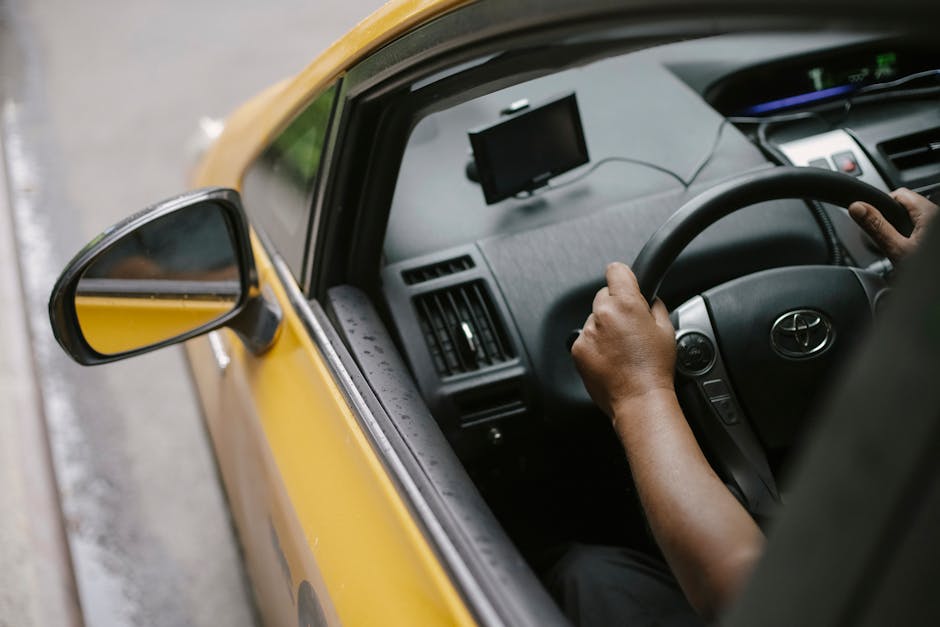
You’re not being difficult by checking car-seat laws. You’re being responsible—and you’ll feel way more relaxed once you know what’s required.
Bring your own seat vs. use local rentals (the honest trade-offs)
There’s no perfect choice, so here’s how I think about it.
Bring your own car seat when:
- You already know it fits your child.
- You can install it easily.
- You’re travelling internationally and don’t want to gamble with seat availability.
Use a rental seat (or a transfer that includes one) when:
- You don’t want to wrestle your seat through the airport.
- Your airline’s car-seat policy makes travel annoying.
- Your destination offers reliable child-restraint options.
Common trade-offs:
- Bringing a seat is usually the most predictable for your child.
- Renting can be cheaper/easier logistically, but you have to confirm the exact type (infant carrier vs. forward-facing seat vs. booster) and whether it’s actually installed.
Country-by-country reality check (without guessing)
Laws vary a lot by country—and sometimes by state/province. The safest approach is:
- Check official government/transport websites for the country you’re arriving in.
- If you’re driving across borders, check the rules for each country.
- If you’re unsure, ask your transfer provider to confirm what they can do (and whether they provide a suitable restraint for your child’s age/size).
Here’s the “big picture” of what you’ll typically find:
- UK & Ireland: generally requires an appropriate child restraint (car seat/booster) for children below a certain age/height threshold. Expect enforcement if your child is in the vehicle without a proper seat.
- EU countries: most have requirements for using an appropriate child restraint depending on age/height, plus guidance that rear seats are safer.
- USA/Canada: rules vary by state/province. In many places, car seats/boosters are required until a certain age/weight/height.
- Australia/NZ: state/territory (and country) rules vary, but child restraint use is strongly enforced compared to “seatbelt only.”
If you only remember one thing: don’t assume a taxi counts as “already handled.” Many taxis simply won’t have the correct restraint available.
Seat approvals and what to look for at the counter
When you’re bringing your own seat, you don’t want an “it won’t fit” or “this isn’t approved” moment.
Look for labels/standards on the seat—commonly you’ll see something like ECE R44 or ECE R129 (i-Size) marking.
Quick checklist:
- Confirm your seat’s approved standard is printed/visible.
- Make sure you know whether it needs the vehicle to be equipped a certain way.
- Practise the install at home (seriously—5 minutes at home can save 30 minutes of arguing in a parking lot).
- If you’re travelling with another adult, decide who installs and who manages the stroller + bags.
Prams, Luggage, and Getting From Arrivals to the Car

This is where airport transfers either become “a bit stressful” or become a full-on circus.
Stroller strategy: gate-check vs. carry-on vs. “travel system only”
If you’re flying, the stroller decision usually happens based on the airport and your kid’s sleep routine.
Options that often work:
- Gate-check the pram/stroller:
- You keep it for boarding and then pick it up at the gate/near arrivals.
- It’s often the easiest way to get through the terminal without carrying it everywhere.
- Umbrella stroller for the final stretch:
- If your destination has lifts/trolleys and your route is mostly flat.
- It’s lighter for stairs and short walks.
- “Travel system” approach:
- If you can move between car seat + stroller base without needing a whole new setup.
Things to think about:
- Does your stroller fit easily in the type of vehicle you booked?
- Are you using a shuttle/van with tight loading space?
- Will you need to carry anything for a long distance before you can load the car?
Luggage system that saves your back (and your sanity)
You’re not just packing—you’re building a transfer system.
A luggage setup that works well:
- One small backpack per parent (kid stuff + essentials you might need before the car arrives)
- spare nappy(s)
- wipes
- a snack or bottle
- a change of clothes
- any comfort item
- One easy-access bag for the car seat install essentials
- installation guide (or a photo of it)
- straps accessories if needed
- Suitcases you can move without wrestling
- ideally a size you can handle while holding a stroller handle
If you’re using a taxi/minivan, assume you might have only one trip from curb to trunk. Pack so you’re not forced to shuttle items back and forth.
Where to load kids and bags (so you don’t block traffic)
Most chaos comes from trying to load everything in one awkward moment.
A calmer flow:
- Put the stroller/pram where it’s easy to grab (don’t lock it behind bags).
- Load stroller first if it’s the heaviest/awkward piece.
- Then load suitcases.
- Only then focus on the car seat area and getting the child settled.
If you’re sharing responsibilities:
- Person A: manages car seat install + keeps the child calm.
- Person B: manages stroller + bags + trunk access.
Trust me: splitting tasks beats “everyone trying to help” every time.
Taxi Rank at Midnight: Why It’s the Thing to Avoid
Look, I love taxis—when they’re available and when they match your needs. But a taxi rank at midnight with a toddler is basically a stress test.
What goes wrong at night (even if everyone means well)
Here’s what commonly happens:
- Queues form instantly: people pile up fast, especially when flights arrive close together.
- Cars may not be suitable: no car seat, wrong restraint type, or not enough room for stroller + bags.
- Drivers may be reluctant to wait: they’ve got other fares lined up and you’re dealing with a squirming kid.
- Price jumps happen: not always “scammy,” but more expensive due to limited supply.
- You get stuck negotiating while your child melts down.
When you’re sleep-deprived, negotiating is harder. Avoid the situation where you have to negotiate at all.
Why you can end up paying more than you expected
At midnight, “it depends” turns into “surprise.” Even when the fare is fair, you may lose money in other ways:
- Waiting time (if you pre-booked nothing)
- Multiple taxi trips because the first vehicle can’t fit everything
- Extra cost for a larger car/minivan if you eventually find one
If you’ve got a tight budget, this matters—but even if you don’t, it still ruins the evening.
Better alternatives when kids are asleep
Instead of rolling the dice at a taxi rank, you’re aiming for: confirmed vehicle + confirmed restraint + minimal waiting.
Good options to look for:
- Pre-booked private transfer with a vehicle that can fit pram + bags
- Meet-and-greet (especially if your airport is confusing at night)
- Car-seat included / car-seat-assisted service (confirm in writing)
And yes, sometimes you can use rideshare—just be very careful to confirm car-seat availability. A lot of “family” options still don’t guarantee the restraint you need.
Pre-Booking a Family Transfer (So You’re Not Waiting in a Queue)
If you’re travelling with small children, pre-booking isn’t overkill—it’s how you buy yourself back time and patience.
What to ask before you pay (copy/paste questions)
Before you confirm, ask these clearly (and don’t accept vague answers).
- “Do you provide an approved child car seat/booster? For my child’s age/size, which model do you supply?”
- “Is the car seat installed before pickup or do we need to install it?”
- “Can the vehicle fit a pram/stroller and X suitcases?”
- “How early will the driver arrive at the meeting point?”
- “What’s the process if the flight is delayed?”
You want answers that sound concrete—not “we’ll do our best.”
Picking the right vehicle size
A pram + luggage + multiple kids can turn a “standard car” into a puzzle.
Vehicle sizing rules of thumb:
- Standard car: usually works best for 1 child and lighter luggage.
- Estate/wagon: often comfortable for 1–2 kids + stroller.
- Minivan/MPV: the best bet for 2 kids, bulky prams, and lots of luggage.
If you’re unsure, size up. It’s almost always cheaper than improvising at night.
Airports where transfer logistics feel most annoying
Different airports handle pick-ups differently (curbs, queues, luggage routes), so these are places I’d pay extra attention to with small children:
- Heathrow (London)
- Charles de Gaulle (Paris)
- Schiphol (Amsterdam)
- El Prat (Barcelona)
- Fiumicino (Rome)
- Dubai International (Dubai)
One booking tip I actually use
When I want a transfer lined up that’s less stressful than waiting around, I’ve used Intui.travel to help sort vehicle and family-friendly options ahead of arrival. I still double-check the child-restraint details, but it reduces the “guessing at arrivals” feeling.
When You’re Renting a Car Instead (and Still Need a Plan)
Renting can be great—especially if you’re doing lots of local driving. But car seats still matter, even if you think “we’ll just sort it at the rental desk.”
Confirm the seat (and not just “a seat”)
Rental desks sometimes offer child restraints, but they aren’t always the right type or size.
Before you commit, ask:
- Which car seat type is available (infant/forward-facing/booster)?
- Is it included in the price or an extra charge?
- Is it properly installed, or do you install it?
- Can you request it in advance and get a confirmation?
If you arrive and they don’t have the right seat, you’ll be stuck while a child waits in a car that smells like “newly rented stress.”
If you’re crossing borders with your seat
If you bring your own seat and you’re driving between countries, keep these in mind:
- Your seat’s approval standard may be recognised, but local rules still vary.
- Some countries are stricter about child restraint use than others.
- If you’re stopped, you’ll need to show that you have the appropriate child restraint (not just a seatbelt).
Back-up plan if the seat isn’t there
Even with pre-booking, sometimes things go wrong.
A practical back-up:
- Have the seat install instructions accessible (photo on your phone).
- Know the nearest options at/near the airport (rental returns, local car-seat vendors if available, or a taxi/minivan with restraint if you need to pivot).
- Consider having a “Plan B transfer” booked that you can switch to if the car seat fails.
Final Thoughts
You don’t need to be an expert in child-restraint law to have a good trip. You just need to be organised about the basics and not let yourself get cornered by a situation at midnight.
Your quick checklist for your next landing
- Confirm car-seat type (infant/forward-facing/booster) before you get curbside
- Check the relevant rules for the country you’re arriving in (and any country you’ll drive in)
- Decide stroller strategy (gate-check, umbrella, or travel system)
- Pack luggage so you can load once, not five times
- Avoid “wait and see” taxi ranks when your kid is tired
Give yourself credit (and pick calmer options)
Travelling with small children is already a lot. Choosing a transfer that reduces waiting, negotiations, and messy installs is not “extra”—it’s you being smart.
Safe travels, and may your next airport transfer feel boring in the best possible way.