Hey there travel enthusiasts and welcome to my post where we will check out my 13 best places to visit in China this year. If you’re trying to plan a first-time trip (or a “second time but make it smarter” trip), this guide is built like I travel: a mix of big-ticket highlights, underrated areas, and the practical stuff—how many days, rough budgets, and where things can get crowded.
Before we jump in, here are a few quick realities about China travel that’ll save you time:
- Big attractions sell out in peak season. Try to book timed entry (or at least arrive early) for the top sights.
- Expect crowds at the icons. Beijing’s Forbidden City and the Terracotta Army are worth it, but you’ll feel the buzz.
- Transport is easy-ish, but plan the routes. High-speed trains are great, but you’ll still want to check train times and station locations.
- Weather matters. Spring (Apr–May) and autumn (Sep–Oct) are usually your safest bets. Summer can be hot and humid; winter can be dry and cold.
Alright—let’s get to it.
Beijing: palaces, history vibes, and an unbeatable city base
Beijing’s must-sees (Forbidden City area)
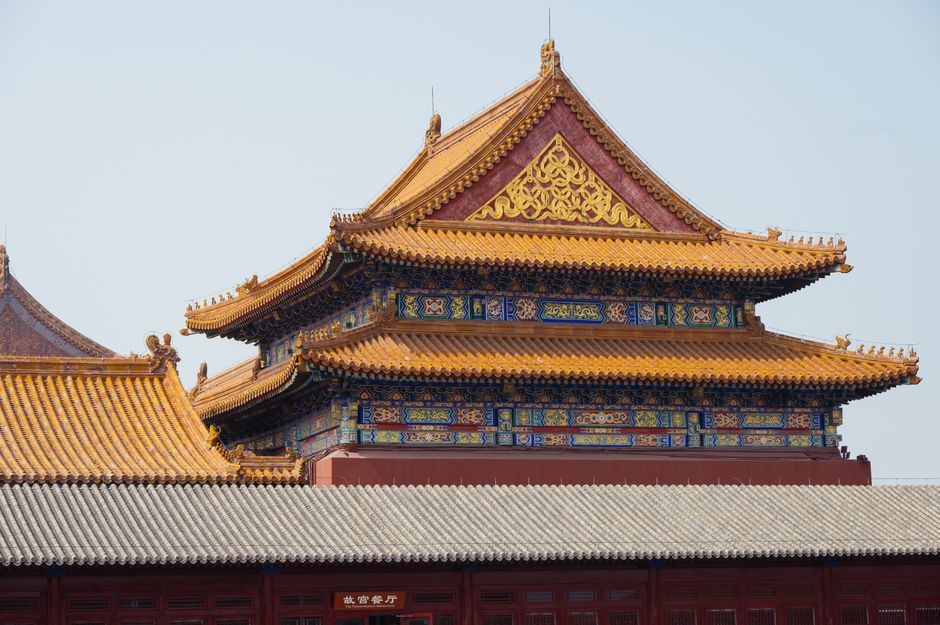
If Beijing is your intro to China, you’re going to feel it immediately. The scale of the Forbidden City, the symmetry of the courtyards, the old-world atmosphere—it’s a “wow” even if you’re not into museums.
- What to do:
- Aim for the Forbidden City early (it gets busy fast).
- Walk through Jingshan Park for that classic “look back over the rooftops” viewpoint.
- If your feet are still alive, add Temple of Heaven—it’s gorgeous and less chaotic than the Forbidden City.
- How long:
- 1 full day for Forbidden City + nearby sights.
- 1 extra half day for Temple of Heaven or a second palace complex.
- Budget reality:
- Entrance tickets are often in the tens to low hundreds of RMB range depending on which areas/combos you pick.
- Trade-off I’ll be honest about:
- Even with an early start, it’s crowded. If you hate crowds, go before 9am and keep expectations realistic.
Mutianyu Great Wall day trip (my pick)
There are multiple Great Wall sections, and they don’t all feel the same. Mutianyu is the one I keep recommending because it’s scenic, reasonably manageable, and you can pair it with a proper day trip.
- Plan it like this:
- Go with a morning train or taxi/van option (routes vary, so check your day’s connections).
- Spend time exploring a few towers/sections rather than trying to do everything.
- What to pack:
- Water, sun protection, and comfy shoes (stairs + uneven stone).
- A light layer—wind can make it cooler up top.
- Rough timing:
- You’ll generally be out half a day to a full day.
- Gates usually run through daytime hours, but exact opening/last-entry varies by season.
- Trade-off:
- The Great Wall is famous for a reason—and yes, it’s busy. If you want “quiet Wall energy,” you’ll need an off-peak date and an early start.
Hutongs and an evening food crawl
Beijing isn’t only palaces. The hutongs are where you get the human scale: lanes, courtyards, tiny shops, and the kind of street food that turns into an experience.
- How to do it:
- Pick one hutong area and walk it slowly.
- Add one “sit down” meal plus one snack stop—otherwise you’ll snack your way into a food coma.
- Good add-ons:
- Local courtyards/tea houses (great for a break from walking).
- A night stroll around Wangfujing for a different vibe (more modern, more lights).
- Budget reality:
- A casual dinner can be affordable; prices rise in super-touristy zones.
- Pro tip:
- Bring a translation app and keep your expectations flexible—menus can be tough if you’re not using Chinese.
Xi’an: Terracotta Army, city walls, and serious street food
Terracotta Army (the “yes, you have to” stop)
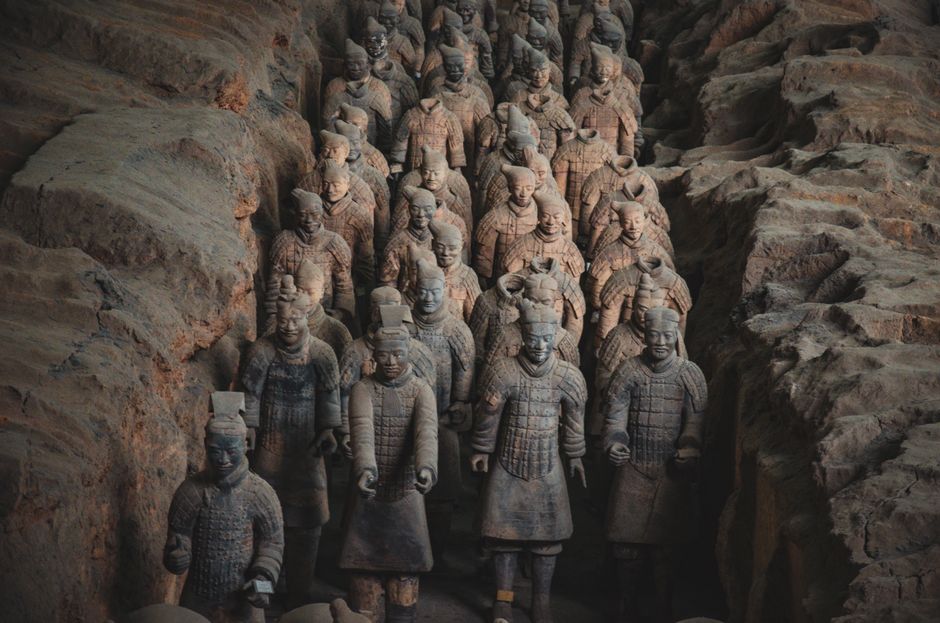
If you’re going to Xi’an, this is the anchor. The scale is hard to describe until you’re standing there.
- What to do:
- Start early to beat crowds.
- Give yourself time to walk the key pits rather than rushing through.
- How long:
- Half to full day depending on your pace.
- Ticket reality:
- Expect a set admission fee, sometimes plus add-on tickets for specific areas.
- Trade-off:
- It can be very crowded around peak hours. I’d rather have you arrive early than “see it” at the cost of frustration.
Xi’an City Wall and the Muslim Quarter
The City Wall is a classic “walk/bike the history” experience, and the Muslim Quarter is where you go for atmosphere and food.
- City Wall:
- Rent a bike if you’re feeling energetic (and don’t mind cycling on a big, sometimes windy route).
- Walk a portion if you’d rather not bike.
- Muslim Quarter:
- Plan on snacking—dumplings, skewers, noodles.
- It’s lively in the evening, and you’ll see families and students too.
- How long:
- City Wall: 1–2 hours.
- Muslim Quarter: 2–3 hours including food breaks.
- Budget reality:
- Street food is usually great value compared to full sit-down meals.
A practical day plan (so you don’t feel rushed)
Xi’an is one of those cities where it’s easy to cram too much. Here’s a sane split:
- Morning: Terracotta Army
- Afternoon: City Wall (bike or walk)
- Evening: Muslim Quarter street food
If you only have one night, that rhythm keeps the logistics simple.
Shanghai & Suzhou: modern energy plus “slow beauty” escapes
Shanghai: Bund views and neighborhood wandering
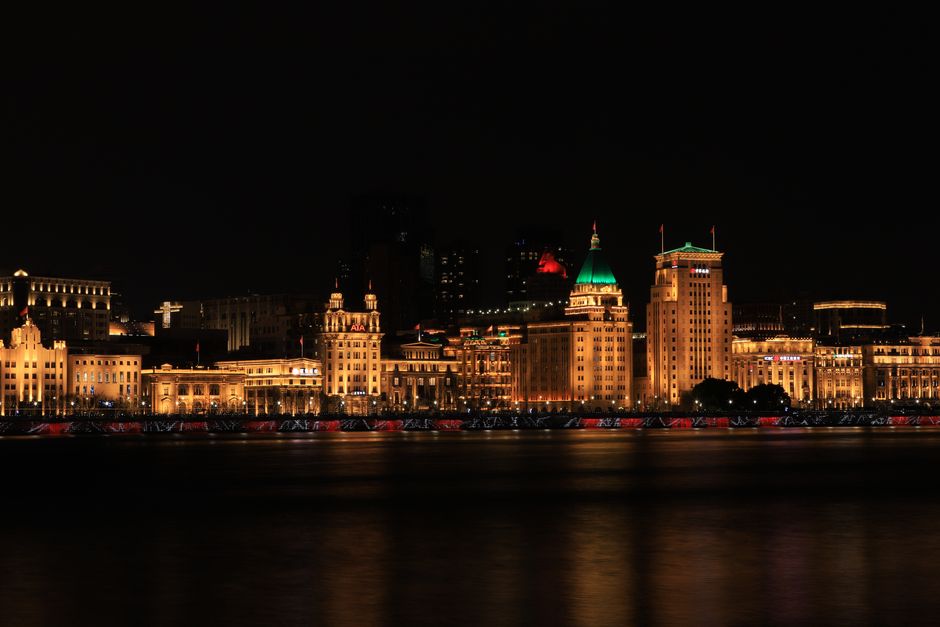
Shanghai’s the place for skyline energy. Even if you’re not into big cities, the Bund is one of those waterfront scenes you’ll remember.
- Don’t miss:
- The Bund at either late afternoon or night.
- A neighborhood walk—Shanghai has districts with very different vibes.
- If you like viewpoints, plan one skyline experience (choose based on your budget).
- How long:
- 1.5 to 2 days is a comfortable range for first-timers.
- Budget reality:
- Shanghai can get pricey fast—especially for rooftop attractions, fancy hotels, and peak restaurants.
- Trade-off:
- It’s busy and expensive compared to many other Chinese cities. If you want maximum value, don’t overpay for attractions you can get a cheaper “similar vibe” version of nearby.
Suzhou: classical gardens and canal-style calm
Just beyond Shanghai, Suzhou feels like stepping into “slow travel mode.” The gardens are a big deal here, and the city’s layout makes walking pleasantly rewarding.
- What to do:
- Pick one or two major classical gardens (don’t try to do too many or you’ll blur them together).
- Explore canal-adjacent areas for calmer scenery.
- How long:
- Half day to a full day.
- Budget reality:
- Garden tickets usually aren’t outrageous, but pricing can vary by which sites you select.
- Pro tip:
- If it’s hot or rainy, Suzhou can be nicer than Shanghai because you can tailor your day around shaded garden walks and indoor breaks.
Where to base yourself (my “less hassle” logic)
- If you want convenience: stay in/near areas with easy metro access.
- If you want atmosphere: stay slightly off the busiest tourist corridors—prices can drop.
- Always check:
- Your hotel’s distance to metro lines.
- Whether you’ll be commuting to both Shanghai city sights and day trips.
Chengdu & Sichuan: pandas, food heaven, and day-trip magic

Chengdu: pandas and the city’s relaxed rhythm
Chengdu is where I go when I want a more laid-back pace but still want a “wow” activity. And yes—pandas.
- What to do:
- Visit the panda area in the morning when it’s cooler and animals are more active.
- Add at least one cultural stop (parks, local streets, or a historic neighborhood).
- How long:
- 2 days is ideal: one for pandas + one for city/food.
- Budget reality:
- Tickets are usually within the range of other top attractions, and your main variable cost becomes food and where you choose to eat.
- Trade-off:
- Panda time slots can be competitive in busy seasons. Plan ahead.
Leshan Giant Buddha: the best day trip from Chengdu
If you want one “extra wow” outside the city, Leshan Giant Buddha is a standout. It’s dramatic and (importantly) it breaks up your trip with something different.
- How to do it:
- Take a day trip via train/bus depending on schedule.
- Plan for walking and viewpoints.
- How long:
- Full day including transport.
- What to expect:
- It’s a bigger outing than it looks on the map, especially if you want multiple viewing spots.
Sichuan food: spicy, unforgettable, and worth planning around
Let’s talk food. Chengdu is basically a cheat code for enjoying Sichuan cuisine.
- What to look for:
- Hotpot (you choose the spice level—don’t be brave on day one unless you enjoy pain).
- Mapo tofu, dan dan noodles, and classic Sichuan vegetable dishes.
- Tea breaks—Sichuan is great for pacing your meals.
- Budget reality:
- Street snacks can be budget-friendly; proper hotpot meals can vary widely by venue.
- Trade-off:
- If you’re sensitive to spicy food, the first day can be a learning curve. Start mild, then level up.
Guilin & Yangshuo: karst landscapes, river time, and easy adventures
Guilin: riverside scenery and iconic viewpoints
Guilin is famous because the scenery is genuinely that special. Those karst hills rise right out of the landscape in a way that feels almost unreal.
- What to do:
- Spend time along the riverfront.
- Add one or two classic views (you’ll spot them once you’re there).
- How long:
- 1 day is enough for the main vibe.
- Budget reality:
- Expect boat/attraction costs that can add up if you do multiple paid stops.
- Trade-off:
- Don’t overbook. Guilin is better when you slow down and enjoy the scenery rather than stacking attractions back-to-back.
Yangshuo: biking, cruising, and “postcard” mornings
Yangshuo is where you go for the dramatic landscapes plus the option to be active. It’s also a bit of a backpacker and independent traveler hub.
- What to do:
- River cruise (choose duration based on your energy level).
- Biking along quieter routes (wear a helmet if you’re renting one).
- Explore markets/streets for local snacks.
- How long:
- 2 days is a sweet spot.
- Budget reality:
- You can keep it affordable or go more premium depending on your boat options and where you eat.
- Trade-off:
- Some areas can feel touristy. Go early in the day and keep one day intentionally “open” for wandering.
Optional add-on: rice terraces (only if you want the countryside angle)
If you’re the kind of traveller who likes views that take effort, consider day trips to nearby countryside landscapes.
- Good for:
- Photography
- Cooler hikes/walks (depending on season)
- Not ideal for:
- People who hate early starts or long transport
- My advice:
- If you’re tired after Guilin + Yangshuo, skip it and just enjoy a relaxed last day.
Zhangjiajie & Hong Kong: wild scenery, big city life, and a fun finish
Zhangjiajie (Wulingyuan): the “Avatar mountains” moment
Zhangjiajie is pure wow—towering sandstone pillars, misty valleys, and walkways that make you feel like you’re in another world.
- What to do:
- Focus on one main scenic area (trying to do everything in one day is a recipe for fatigue).
- Plan for viewpoints at different times of day.
- How long:
- 2 to 3 days depending on how much walking you like.
- Budget reality:
- Scenic areas usually involve multiple ticket fees and shuttle/transport costs.
- Trade-off:
- It’s popular, and visibility can change with weather. If you catch fog/rain, be flexible—tomorrow might be clearer.
Hong Kong: skyline nights and underrated local neighborhoods
Hong Kong hits you with contrast: mountains meeting the city, neon at street level, and skyline views that feel like they’re everywhere.
- What to do:
- Do one major viewpoint (pick one and plan the timing).
- Walk a neighborhood you find interesting—Hong Kong rewards wandering.
- Try local eats in smaller streets (not just the most obvious tourist strips).
- How long:
- 2 days for first-timers.
- Budget reality:
- It can be expensive, especially for accommodation. Your money goes further if you eat like a local and use public transport.
- Trade-off:
- Tourist areas can be crowded. Go early for popular walks and viewpoints.
Macau (bonus day trip): casinos are the headline, but it’s more than that
Macau gets known for casinos, but the experience is broader: Portuguese-influenced streets, historic squares, and a very different atmosphere from the rest of mainland China.
- How to do it:
- Treat it like a day trip if you’re short on time.
- Pick 1–2 historic neighborhoods and add one “big headline” stop for variety.
- How long:
- Half day to 1 day.
- Budget reality:
- It’s usually less about shopping and more about experiences, transport, and meals.
- Trade-off:
- If you don’t enjoy crowds, choose timing carefully—popular areas can get busy.
Wrapping up: how to choose your “best of China” mix
If you’re overwhelmed by options, here’s the simplest way to pick:
- Pick one “north history” base: Beijing.
- Add one “ancient powerhouse” stop: Xi’an + Terracotta Army.
- Choose one “east modern contrast” city: Shanghai (then optionally Suzhou).
- Add one “food + culture” anchor: Chengdu.
- Go for scenery + easy adventures: Guilin and Yangshuo.
- Finish with either wild nature or big-city energy: Zhangjiajie, then Hong Kong; or Hong Kong first if you’re ending with an easier flight.
My final practical tip: don’t try to see China like it’s a checklist. Build your days around one main highlight + one flexible wandering block, and you’ll enjoy it way more.
If you tell me your travel month and rough trip length (like “10 days in October” or “3 weeks with a relaxed pace”), I can help you stitch these 13 places into a route that actually feels smooth.