Hey there travel enthusiasts and welcome to my post where we will check out my 6 practical ways to handle your luggage between checkout and your flight this year.
You know the feeling: you’ve got check-out time breathing down your neck, your flight’s not for hours, and suddenly your “just roam a bit” plan turns into “carry a suitcase through town and regret it.” I’ve been there in places where the station lockers were full, the airport left-luggage desk was closed “for lunch,” and my hotel staff looked at me like I was asking them to store a small elephant.
So let’s make this real. I’ll walk you through the most reliable tactics first (hotel bag room, station lockers, and how those options can disappear), then the broader left-luggage networks that can save your day—and finally what to do with that time once your bags are out of your hands.
Start With What’s Easiest: Hotel Bag Rooms and “Can You Just…?”
If you’re staying anywhere with reception, this is usually the fastest win. It’s not glamorous, but it’s practical.
Ask for luggage storage before you ask for anything else
Most hotels can store bags for a few hours after checkout. The key is to ask early—ideally the day before—because staff plan their day around deliveries, cleaning, and front-desk flow.
When you ask, be super specific:
- “I’m checking out at ___, my flight’s at ___. Can you hold two bags until about ___?”
- “Will I be able to pick them up before you close?”
- “Is there any fee, and do I pay at reception?”
Trade-off to accept:
- It’s often free (or low-cost), but not always. Some hotels charge if it becomes “extra time” rather than “a few hours.”
Use the hotel as your “base camp,” not just a storage locker
A lot of people think storage only means “leave it and walk away.” But you can use the hotel like a mini logistics hub:
- Ask if they can print your boarding pass or help with a late checkout formality (sometimes they’ll extend by an hour or two, sometimes not)
- Take a shower if you can store a bag and go out for dinner later (even if you can’t, sometimes they let you freshen up—depends entirely on the place)
- If you have a rental car drop-off later, ask whether they’ll note it so you don’t scramble
Be realistic about “bag room” limits
Even when a hotel says yes, there are usually constraints. Watch for:
- Tight pickup windows during busy check-out hours
- No after-hours access (you can’t just “come back at midnight”)
- A “one suitcase + small bag” rule if staff are overloaded
Station Lockers and Airport Lockers: Convenient, But Not Always There Tomorrow
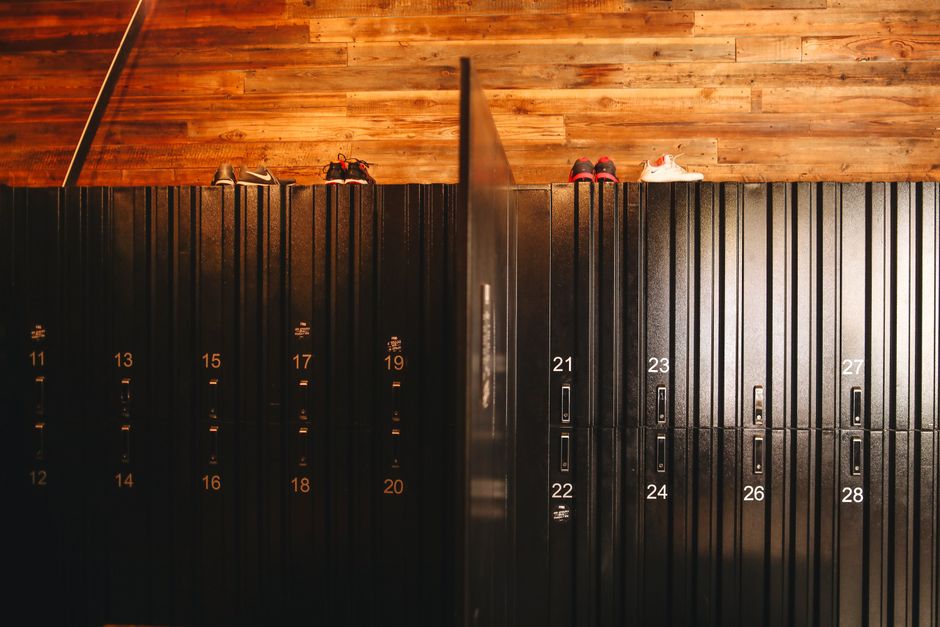
Lockers sound like the perfect answer—until you arrive and realize you can’t fit your 30-inch suitcase, the keypad is out, or the entire bank is full.
How to find locker storage quickly (without wandering for an hour)
Before you even reach the station/airport, try to narrow down what to look for:
- Search “left luggage” + the station name (or “baggage lockers” + city)
- If you’re already near, check the station signs for keywords like “luggage,” “storage,” “left baggage,” or “locker”
- Ask staff at the information desk to point you to the right hall/level
A quick rule I follow:
- If you can’t find signage within 5–10 minutes, ask. Don’t let yourself burn the half-day walking in circles.
Know the locker basics: size, payment, and time rules
Different countries handle lockers differently, but the pattern is similar. Expect:
- Multiple sizes (small/medium/large). Big suitcases usually cost more and are often the first to fill up.
- Payment by coin, card, or mobile payment—sometimes only one method.
- Time limits (from a few hours to overnight). Some require you to clear by a specific cutoff time.
What I’d do in your shoes:
- Bring a backup payment method (if lockers take coins and you don’t have them, you’re stuck)
- Take a photo of the locker number and your receipt before you walk away
Why lockers “vanish” (even when they used to exist)
This is the part nobody warns you about. Lockers disappear or become unreliable for boring reasons:
- Renovations and security upgrades (lockers get removed or relocated)
- Staffing changes or reduced services (especially around smaller stations)
- Temporary closures “for maintenance” that somehow lasts for weeks
This is why I always treat lockers as a “Plan B that might work today,” not a guaranteed feature.
Left-Luggage Networks: When You Need a Real System (Not a Hope)
Once you’re in a new city and your time window is tight, you want a storage option that’s designed for travelers—not just whatever a single hotel receptionist can handle.
Staffed left-luggage offices: slower entry, more confidence
Left-luggage counters (the staffed kind) can be a lifesaver when:
- Your bags are oversized
- Lockers are full
- You need a guaranteed pickup time
What to expect:
- You’ll likely show an ID
- You’ll get a tag/receipt with a reference number
- You may need to state your pickup time
Trade-off:
- Sometimes there’s a cutoff time. If your flight is early, arrive earlier in your day than you think.
Multi-location coverage in big cities
In larger cities, you can often find multiple storage points in different neighborhoods or around transport hubs.
How to use that strategically:
- Pick the storage point closest to the area you actually plan to spend time in (so you’re not hauling bags across town even after dropping them off)
- If one location looks risky (limited hours, heavy foot traffic), keep another nearby option in mind
When you’re hunting for “somewhere that will take it”
If you’re traveling somewhere where it’s hard to figure out reliable storage options quickly, I sometimes use Radical Storage. It’s not a magic wand, but it can help when you need a practical place to offload bags and keep moving.
The one thing people forget: opening hours still matter
Left-luggage networks are still businesses with schedules. Before you commit:
- Check pickup hours for the exact day
- Confirm whether they’re open on weekends/holidays
- Watch for “closed for lunch” style breaks (it varies by country and location)
Turn That Dead Half-Day Into Something You Can Actually Enjoy
Once your bags are sorted, you want to stop thinking like a logistics problem and start thinking like a traveler again.
Choose a plan that matches your bag situation
With luggage stored, you’re free—but your time and energy still matter. I like planning by walking distance and “how long can I stay?”
Here are 12 easy things to do during your storage window (pick 1–2, not all):
- Walk a scenic old town loop (no museum tickets required)
- Visit a top local viewpoint (the “one photo stop” kind)
- Do a short museum or gallery session (2–3 hours max)
- Chase a street-food crawl around a market area
- Sit in a café for a proper meal and people-watch
- Take a relaxed riverside or canal stroll
- Tour one iconic landmark area on foot
- Shop for essentials (snacks, water, a charger) near transit
- Catch a free walking tour (book something that starts after you drop bags)
- Explore a neighborhood with side streets and local shops
- Hit a public park for a reset (shade + benches)
- Pop into a cultural center or local craft shop for 60–90 minutes
Trade-off:
- If the city is crowded (big tourist hubs, weekends), you’ll spend more time navigating crowds than you planned. Build in “human time,” not just travel time.
Build your day around how long you really have
To avoid rushing, match your activity style to your pickup time:
- If you’ve got 2–3 hours: do one neighborhood + one “anchor” stop (viewpoint, park, or museum)
- If you’ve got 4–5 hours: add a food stop or second short attraction
- If you’ve got 6+ hours: you can do something bigger, but still keep it near where your storage pickup point is
Keep yourself flexible with one “must-do” and one “nice-to-do”
I do this every time:
- Must-do: something you can’t really skip (viewpoint, meal, quick museum)
- Nice-to-do: optional (market browsing, photo walk, café time)
If it gets late or crowded, you don’t lose your whole day—you just trim the nice-to-do.
If Storage Fails: Backup Moves for Last-Minute Anxiety
Sometimes your first plan doesn’t work. It happens. Your job is to keep calm and have a fallback that doesn’t destroy your day.
Carry a “just-in-case” day bag
This is the stuff I keep with me (not in the suitcase) so I’m not stranded:
- Phone charger + battery pack
- Water and a snack
- Wallet essentials + one backup payment method
- A light layer (airports and stations can swing temperature fast)
- Any meds
- A change of clothes if you’re arriving somewhere humid and you’ll be out a while
Confirm pickup timing in plain language
If you’re relying on storage, don’t assume. Confirm like you’re talking to a friend who’s a little distracted:
- “So I can pick up at 4:30 pm, right?”
- “Is there a late pickup option if my train is delayed?”
- “What happens if I’m late by 30 minutes?”
Then do one safety step:
- Add a buffer of 30–60 minutes on paper. Your real schedule will thank you.
If you can’t store bags at all, use “micro-solutions”
Not every airport/station/hotel scenario works. If you hit a dead end, you can still salvage the day:
- Ask the hotel receptionist whether they can store “one last time” even if the official policy says no
- If you’re at/near a transit hub, ask the information desk whether any temporary storage is available
- Consider carrying smaller items with you and storing only the big suitcase (some places won’t take full luggage but will take a large bag)
Trade-off:
- You’ll still lose time moving around. But you keep momentum.
Final Thoughts: My Simple Checkout-to-Flight Checklist
This whole process is mostly about removing stress. If you do a few things up front, you’ll feel in control even if the city throws curveballs.
My go-to checklist (copy this)
- Confirm hotel luggage storage the day before (if possible)
- Ask the hotel what time you must pick up by
- If you’re using lockers, have at least one backup payment method
- Take photos: locker number/receipt and your storage ticket reference
- Plan one activity that works even if you’re delayed
One last sanity tip
Don’t schedule your “big meal” or “must-see attraction” right up against storage pickup time. I’d rather be 20 minutes early with a coffee than sprint back with my suitcase like I’m chasing a movie scene.
You’ve already done the hard part—booking the trip. Now just make that half-day between checkout and the flight feel like part of the holiday, not a hostage situation.