Hey there travelers—if you’re visiting Kyoto for the first time, deciding which day trips are actually worth your limited time can be harder than it should be. I’ll share my go-to day trips (half-day and full-day), what you’ll do on each one, and who each trip fits best—so you can plan without overstuffing.
Half-Day Day Trips (Easy on Your Legs)
Uji for Matcha, Temples, and Riverside Calm
Best for: a slower day, tea lovers, couples, and anyone who wants “Kyoto vibes” without the crowds.
Typical duration: ~4–6 hours (easy as a morning + lunch + early afternoon).
What you’ll actually do:
- Start at Byodo-In (Phoenix Hall area): even if you don’t go deep into the museum bits, the grounds are the payoff.
- Stroll the Uji River stretch: it’s a nice change from Kyoto’s dense temple lanes.
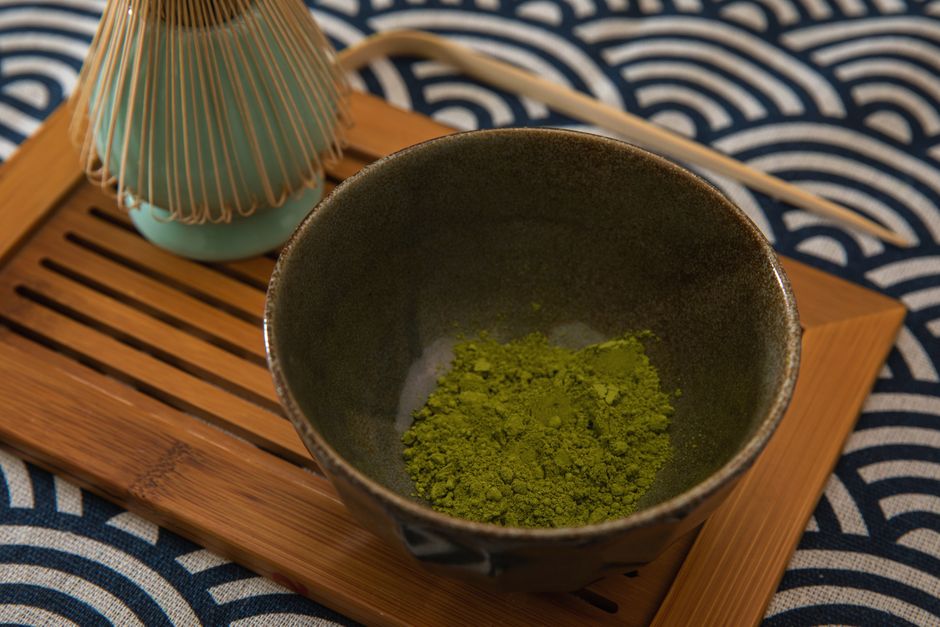
- Grab matcha (and possibly a sweet) along the main shopping streets: try more than one, because Uji varies a lot.
Trade-offs to know:
- It’s popular with both locals and tourists, but it still feels calmer than many “must-see” Kyoto spots.
- If you’re trying to do multiple big sights in one day, Uji can be the “breather” that keeps you from burning out.
Quick planning tip: aim for early in the day if you want quieter photos and a smoother lunch.
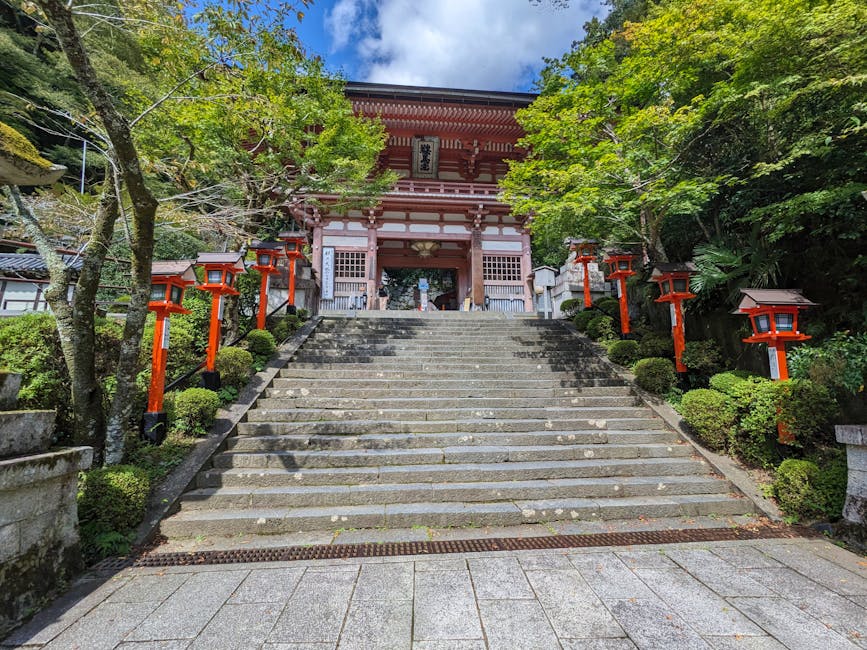
Kurama & Kibune for Forest Air and Temple Stops
Best for: people who want nature + a little hiking, and anyone chasing that “forest escape” feeling.
Typical duration: ~4–7 hours depending on your route (more if you hike part of the old path).
What you’ll actually do:
- Begin in Kurama: the area sets the tone—temple lanes, old-town pockets, and mountain air.
- Go toward Kibune: you can keep it low-key or make it more active.
- Visit the standout shrine/temple stop in Kibune: even if you just do the essentials, the atmosphere is the point.
Trade-offs to know:
- Weather matters a lot. In rain or heavy wind, this becomes less scenic and more slippery.
- It’s not “sit-and-smell-the-tea” relaxing the way Uji is—expect some walking and stairs.
Who this trip suits best: if you’re coming to Kyoto in spring/fall, this is one of the best ways to break up temple overload.
Bamboo, Temples, and Riverside Kyoto Neighbours
Arashiyama (Bamboo + River Views + Classic Kyoto Energy)
Best for: first-timers who want the iconic Kyoto photo moments without leaving the region.
Typical duration: ~4–6 hours.
What you’ll actually do:
- Bamboo Grove early or late: go when crowds are lighter, even if it means adjusting your day.
- Walk along the riverside areas: the views are gorgeous, and the pace feels more human.
- Add one “extra” temple/shrine stop: just one is plenty—this area is already full.
Trade-offs to know:
- This is one of the most crowded “day trip” styles from Kyoto, so you’ll spend more time threading through people than sightseeing.
- If you hate crowds, treat it as a short visit with focused goals.
Quick planning tip: if you can, pair Arashiyama with something less busy later—like a calmer dinner neighborhood.
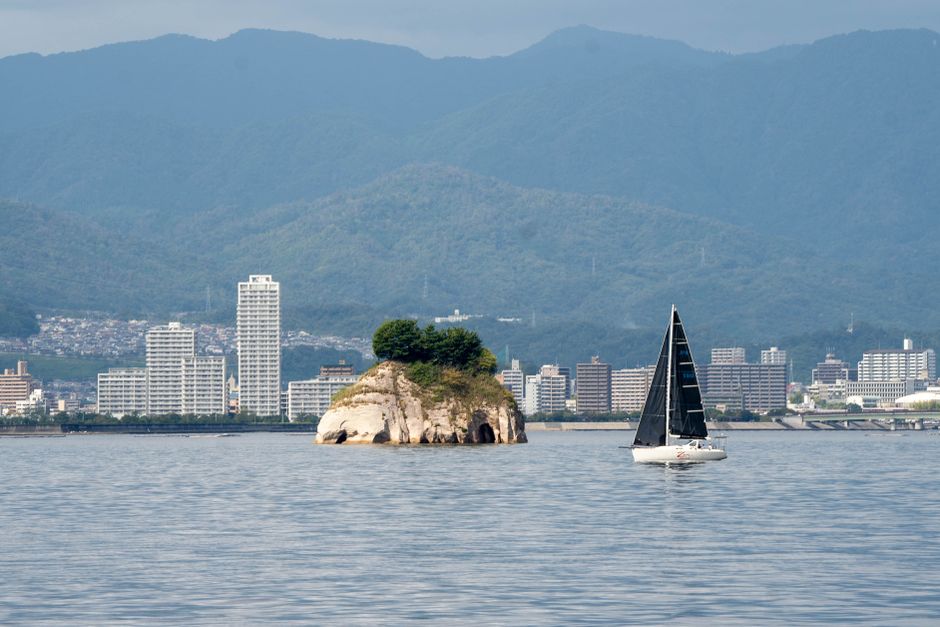
Lake Biwa & Otsu for Wide Views and a Real Change of Scenery
Best for: travelers who want lakeside air, easy sightseeing, and a break from temple density.
Typical duration: ~5–8 hours (half-day is realistic; full day if you add museums/boat time).
What you’ll actually do:
- Base in Otsu: it’s the convenient hub for getting around.
- Explore lakeside viewpoints and simple walking areas: you’ll get that “Kyoto, but bigger skies” feeling.
- Add one cultural stop (if you want): Otsu has a few options depending on your interests.
Trade-offs to know:
- It’s not a “one landmark and done” destination. You’ll enjoy it more if you’re okay with wandering.
- On hot days, sun/heat can be the main enemy—bring water and plan shade breaks.
Best season note: Lake days are especially rewarding in mild weather when you can actually linger outdoors.
Ancient Capitals: Nara and Osaka’s Old Meets New

Nara for Temples, Deers, and Big-Scale History
Best for: history lovers, families, anyone who wants a clear “wow” day outside Kyoto.
Typical duration: ~6–9 hours (you can do less, but it’s nicer with breathing room).
What you’ll actually do:
- Start with the big-ticket temple area: this is where you’ll understand why Nara is so famous.
- Walk through the main old-street vibe: grab snacks, browse, take photos.
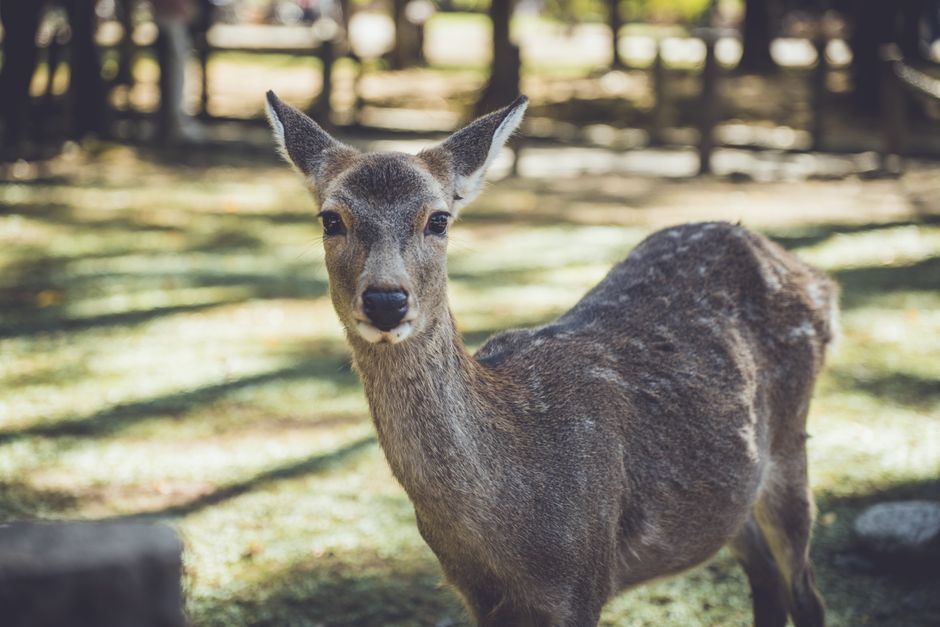
- Deer park time: yes it’s touristy, but it’s also genuinely fun—just be careful and stay alert.
Trade-offs to know:
- Deers can be pushy. Don’t feed them if you’re unsure of the rules, and keep your bags secure.
- If you go late morning into midday, expect crowd pressure.
Who this trip suits best: if you only pick one “big day trip” outside Kyoto, Nara is the one I’d nudge most first-timers toward.
Osaka for Street Energy (Food, Sights, and a Lot of Walking)
Best for: first-timers who want variety—food, neighborhoods, sights—without needing complicated logistics.
Typical duration: ~5–10 hours (half-day for highlights; full day if you want multiple districts).
What you’ll actually do:
- Pick one main sightseeing anchor (like a castle area or major landmark), then build around it.
- Wander a lively food/shopping district: this is where Osaka shines.
- Add a night-light moment if you’re still energized: Osaka is famous for after-dark atmosphere.
Trade-offs to know:
- It’s lively and can feel chaotic. If you’re easily overstimulated, plan breaks.
- Osaka can tempt you into eating too much. Your feet will be happier if you keep it “one snack per stop.”
Quick planning tip: Osaka works best when you choose one or two neighborhoods rather than trying to “see all of Osaka.”
Castles and Canal-City Vibes
Himeji Castle for the “How Is This Still Standing?” Day
Best for: castle lovers, architecture fans, and anyone who wants a clean, structured day trip.
Typical duration: ~7–10 hours (full day is easiest).
What you’ll actually do:
- Arrive early enough to enjoy the grounds: you’ll get calmer photos and a smoother flow.
- Focus on the castle experience: climb/walk what you can without turning it into a sprint.
- Add a nearby area stroll: even a short wander rounds out the day.
Trade-offs to know:
- It can be busy at peak times, so timing really matters.
- It’s not a “food-and-nightlife” day; it’s more of a sightseeing and walking day.
Who this trip suits best: if you want a day trip that feels “worth it” even when you’re not in a temple mood, Himeji is a strong choice.
Kurashiki & Okayama for Canal Streets and “Old Japan” Vibes
Best for: travelers who love pretty streetscapes, calmer wandering, and a slower, more charming pace.
Typical duration: ~7–10 hours.
What you’ll actually do:
- Explore the historic district/canal-style areas: the ambiance is the headline.
- Do a museum or cultural stop if it matches your interests: this is where the day can feel more layered.
- Eat your way through the area: small bites and local sweets go a long way here.
Trade-offs to know:
- It’s not as “one must-see monument” as some other day trips. You enjoy it by taking your time.
- If you’re only into mega-sights, you might find this style more your aesthetic than your “bucket list checkboxes.”
Quick planning tip: if you want photos without squeezing through crowds, aim for mid-morning or late afternoon.
Big Distance, Big Wow (Full-Day Only)
Kobe for Harbor Views, Easy City Time, and Great Eats
Best for: anyone who wants a full day that still feels flexible—food, waterfront views, and neighborhoods.
Typical duration: ~6–9 hours (comfortable full-day territory).
What you’ll actually do:
- Start with waterfront/harbor areas: the views are quick wins.
- Add one neighborhood exploration block: pick what interests you—shopping streets, historic corners, or local food zones.
- Finish with a “treat meal”: Kobe is known for food, and the atmosphere makes it feel like an event.
Trade-offs to know:
- It’s easy to spend too long hopping around. Kobe is best when you choose one or two core areas.
- If you’re on a strict budget, some “famous” dining can be pricey—just balance it with casual eats.
Who this trip suits best: if you want a day that feels more like a city day than a monument day, Kobe hits that sweet spot.
Hiroshima & Miyajima for the Ultimate “Big Ticket” Day
Best for: first-timers who want one unforgettable history + island scenery combo.
Typical duration: ~10–12+ hours door-to-door (plan a full day and don’t schedule anything else that evening).
What you’ll actually do:
- Visit Hiroshima’s key memorial/history area: this is the reason most people make the journey.
- Go to Miyajima: the island scenery changes everything—so even if you’re tired, it feels worth it.
- Include the ferry/island time: just the experience of being there is part of the payoff.
Trade-offs to know:
- This is a long day. If you’re not a strong walker or you hate early starts, it might feel exhausting.
- Crowds can spike in peak seasons on Miyajima, especially around iconic spots.
My practical tip: If you want to reduce mental load and keep timing smoother—especially around rail reservations and the island transfer—I’ve used Viator for a guided Hiroshima & Miyajima day trip. It’s one less thing to worry about.
Who this trip suits best: if you want a “once-in-Kyoto” moment that’s bigger than temples and bamboo, this is the one.
Final Thoughts (and a Simple Way to Pick)
If you’re overwhelmed, here’s the quick rule I use:
- Choose based on energy:
- Want low effort? Uji or Arashiyama (short and focused).
- Want fresh air? Kurama & Kibune or Lake Biwa.
- Want big-city energy? Osaka.
- Choose based on what you want to remember:
- History and scale: Nara or Himeji.
- Pretty streets and calm wandering: Kurashiki & Okayama.
- “This is why we travel”: Hiroshima & Miyajima.
If you tell me when you’re going (month) and how many days you have in Kyoto, I’ll help you stitch these into a realistic itinerary that won’t fry your legs.