Europe is great in summer, sure—but winter is when it gets mood. You get less crowd noise, more candlelit evenings, and streets that actually feel like they belong to locals again.
So if you’re wondering which towns are genuinely better in the cold months (and not just “still open if you squint”), I’ve got you. Below are 12 European towns that work especially well in winter, along with the honest trade-offs—especially the stuff that can shut down or run on shorter hours.
Christmas-market towns that feel made for December

Bruges, Belgium
Bruges in winter is all about atmosphere. Think glow from shop windows, quiet canals, and those dark, cozy evenings where you’re happy to end up in a café for one more round of hot chocolate.
What I like in winter:
- The Christmas market feel without summer-level day-tripper chaos.
- Walks through the Historic Centre are calmer (and way easier to enjoy at human speed).
What can disappoint (honestly):
- Canal boat tours can be limited or stop running depending on weather/season.
- Some attractions and restaurants run shorter winter hours, and a few places do close for seasonal breaks.
Practical way to win:
- Plan your “must-do” sights early in the day.
- Keep a flex slot for weather (Bruges can be damp and grey).
Tallinn, Estonia
Tallinn’s Old Town is basically built for cold-weather romance. The cobbles + medieval walls + crisp air combo is unreal—and winter brings an extra layer of cozy, with markets and warm interiors everywhere you turn.
Why winter suits Tallinn:
- It’s one of Europe’s best “walk it” cities when it’s colder and less busy.
- The vibe around Town Hall Square and the Old Town lanes is excellent during the holiday period.
What might close / slow down:
- Some tours and exhibitions can have reduced hours in December/January.
- If you’re relying on specific experiences (guided niche tours, certain seasonal events), double-check schedules rather than assuming “summer rules.”
How to plan without stress:
- Prioritize outdoor views in the clearest daylight window.
- Build your days around short walks + warm breaks.
Rothenburg ob der Tauber, Germany
If you want that postcard look—narrow streets, steep roofs, and winter lights—Rothenburg does it. In winter it’s quieter than peak summer, and it feels like the town is lit for you.
Winter perks:
- Great evening atmosphere, especially when the main squares and streets are lit up.
- The city wall views are dramatic when the weather is cold (and you don’t mind bundling up).
Trade-offs (yes, there are some):
- It can still get busy during late December holiday periods.
- Some shops/eateries can run shorter hours when it’s outside peak season.
Best approach:
- Go for a few nights so you’re not rushing.
- Expect your best “photos” to happen early evening when the light hits the buildings.
Old-world towns where winter quiet is the whole point

Český Krumlov, Czechia
Český Krumlov is gorgeous any time, but winter changes the experience. Summer crowds can turn it into a bottleneck; winter strips things back to the essentials: medieval lanes, warm bars, and a calmer pace.
Why it works in winter:
- Less crowd pressure means you can actually enjoy the river bends and castle area at a slower speed.
- The town’s charm is strongest when you’re not fighting for space.
What to watch for:
- Some seasonal tours and services can be reduced.
- It’s common for parts of the tourism industry to operate on shorter winter hours, especially around early January.
My practical tip:
- Check whether the castle tour routes and key viewpoints you want are open on your exact days.
- If you’re planning around a specific market/event, confirm dates—winter calendars shift.
Carcassonne, France
Carcassonne’s medieval Cité is a winter winner. When it’s colder, you’re not surrounded by the same summer wave of people—and the stonework at dusk can be genuinely magical.
Winter benefits:
- Fewer visitors means better sightseeing, especially around the walls and viewpoints.
- You’ll likely pay less than peak season for accommodation (still, popular stays can sell out for December/holiday weeks).
What may be limited:
- Some guided activities and seasonal experiences may run on reduced schedules.
- The weather can be windy, so plan for a “short outdoor window + indoor reset” rhythm.
How I’d do it:
- Spend most of your outdoor sightseeing in the middle of the day.
- Keep evenings open for restaurants—Carcassonne is good at that.
Hallstatt, Austria
Hallstatt is one of those places that’s truly different in winter. The day-tripper rush fades fast, and the lake + mountains look more dramatic when the air is cold.
Why winter is better here:
- The town feels quieter and more “liveable,” not just pass-through.
- Scenic walks and viewpoints are more enjoyable without peak crowds.
Honest trade-offs:
- If you’re counting on lake cruises/boat-style experiences, check winter operation—some services can be seasonal.
- A handful of shops and services can have reduced hours outside peak holiday windows.
How to plan smartly:
- Choose your base and time your views: mornings can be cold but often feel calmer.
- Don’t stack too many timed activities—weather can be a deciding factor.
Coastal & harbor escapes when summer crowds disappear
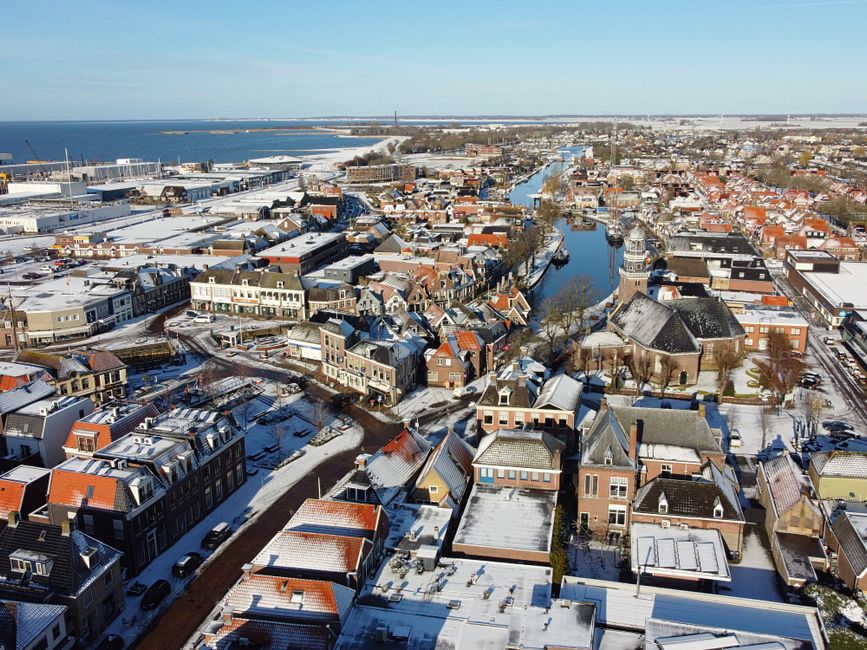
Kotor, Montenegro
Kotor is one of my favorite “winter swap” picks on the Adriatic. Winter doesn’t mean the same crowds—and the old town feels more like a real place again instead of a cruise-day attraction.
Winter advantages:
- A calmer atmosphere in the Old Town lanes.
- Milder (often) temperatures compared to far-north Europe, so you can still do a lot without freezing solid.
What to expect as trade-offs:
- Many beachy businesses (especially along the promenade) can scale back or close seasonally.
- Expect rainier days—build flexibility.
My winter strategy:
- Do the viewpoints and fortress steps when the weather gives you a window.
- Use rainy days for museums, cafés, and slower meals.
Dubrovnik, Croatia
Dubrovnik in winter can feel unreal—in a good way. The big difference is that you’re not surrounded by constant crowds. Walking the historic streets and getting views from higher ground becomes a lot more enjoyable.
Why winter helps:
- The Old Town experience is calmer and less stressful.
- You can enjoy long walks and views without the same summer squeeze.
What might close:
- Some hotels, tours, and restaurants reduce staffing or operate on winter hours.
- Certain seasonal experiences (especially anything that depends on calm seas) can run less frequently.
Be honest with yourself:
- Dubrovnik can still be pricey, even in winter.
- Check openings for anything very specific you want to do—winter calendars vary.
Lake-and-alpine towns for winter views and indoor breaks
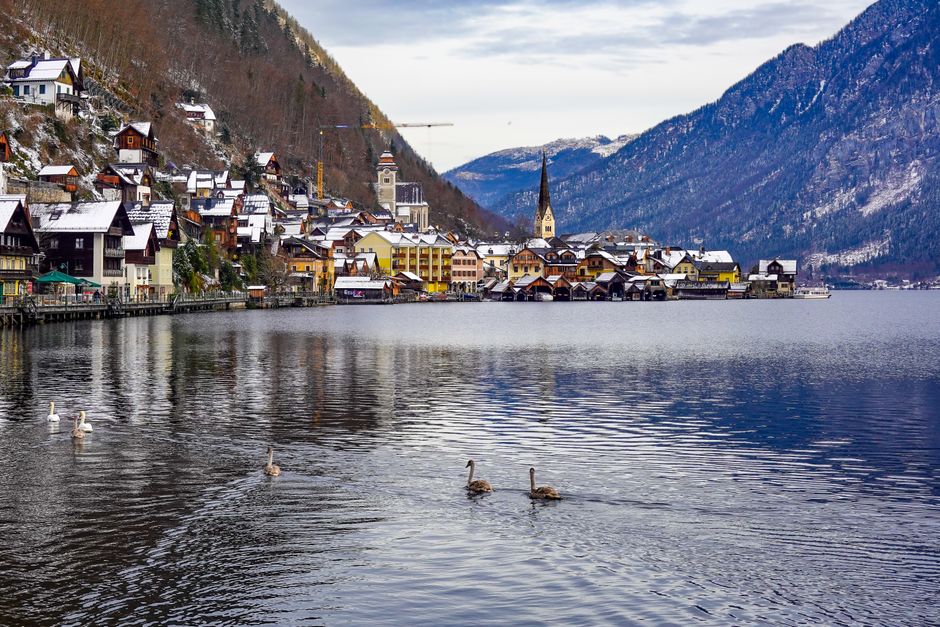
Annecy, France
Annecy is a classic “pretty in all seasons” town, and winter leans into coziness. You still get the lake vibe—just with a colder, quieter feel—and you can pair it with nearby mountain access if the weather is cooperating.
Winter strengths:
- The old town streets are calmer than peak season.
- It’s a great base for winter walks + warm meals.
What to watch for:
- Lake activities that are seasonal (like certain boat routes or water-focused tours) may be limited.
- Some rental-based options (especially anything built around cycling/long lakeside activity) may be less available.
How to make it work:
- Plan around daylight and weather; make sure you’ve got indoor options.
- If you want snowy scenery, consider a nearby mountain day when conditions allow.
Zermatt, Switzerland
Zermatt is a winter playground with a very clear advantage: it’s built for winter. If your idea of “winter travel” includes snow views and active days, this is one of the easiest towns to justify.
Why Zermatt shines in cold months:
- Ski and snow experiences are the main event, so you’re not relying on seasonal markets to carry the trip.
- The town feels special—especially with the Matterhorn backdrop.
Real talk about trade-offs:
- It’s expensive. No sugarcoating—winter pricing can hurt.
- Weather can impact visibility and some mountain services on certain days, so you’ll want at least one backup plan.
The easiest way to avoid disappointment:
- Book your schedule with some slack.
- If you’re going for views, accept that fog and storms happen.
Nordic winter towns for northern lights and proper cold-weather days
Rovaniemi, Finland
Rovaniemi is the obvious pick if you want that “Arctic winter” feeling—snowy landscapes, winter activities, and the kind of days that feel like they belong in a different season entirely.
Why it’s better in winter:
- Most of what makes the trip special is winter-based, so you’re not hunting for things to do when the calendar goes quiet.
- The whole town is set up to make winter activities simple to access.
What to be aware of:
- The cold is real, and daylight can be extremely limited depending on the month.
- Some parts can feel more “tourism-forward” than local-cultural, depending on your expectations.
How to plan:
- Build your days around tours/experiences (and keep one flexible buffer).
- If you’re aiming for northern lights, accept that it’s weather-dependent.
Tromsø, Norway
Tromsø is one of Scandinavia’s best bases for northern lights and winter sea-air atmosphere. The city is compact enough to explore between excursions, but it still feels like you’re far away from everything.
Winter highlights:
- Aurora season is the big draw—and Tromsø has the infrastructure to support it.
- You get a real winter rhythm: short daylight, warm spots, and a “do tours, then reset” flow.
Trade-offs (honestly):
- Aurora sightings aren’t guaranteed—cloud cover can ruin your plans.
- It can be pricey, especially for guided trips and peak winter weeks.
My practical approach:
- Don’t schedule everything for one night—spread your aurora hopes across multiple evenings.
- Wear layers like you mean it, and bring a plan for windy weather.
Final thoughts: how to book winter towns without getting disappointed
Check winter hours and seasonal closures (before you fall in love with a plan)
In winter, “open” can mean a lot of different things. A town might be perfectly alive, but a specific attraction, tour, or restaurant could be on short hours or closed for seasonal breaks.
Here’s what I recommend doing for each stop:
- Screenshot or note opening dates for any timed attraction you care about.
- If you’re relying on something weather-dependent (boats, views, mountain access), look for a “day-of weather plan.”
- Expect reduced schedules around early January in many places (not universal, but common).
Build one indoor backup per day
Winter travel is easier when your day has a built-in safety net.
My rule of thumb:
- Every day: one outdoor anchor + one indoor fallback.
- Outdoor anchor examples: a viewpoint, a market stroll, a castle area.
- Indoor backup examples: a museum, a long café session, a cooking/wine experience, a warm bath/spa if you’re lucky.
If you get this right, winter stops feeling like “enduring the cold” and starts feeling like “oh wow, this place is better like this.”
Safe travels, and if you tell me which month you’re thinking of, I’ll help you narrow these down to a realistic route.


