Hey fellow travellers—if you’ve been wondering how to book a Nairobi-to-Lake Nakuru day trip without getting surprised by extra fees, you’re in the right place. I’ll walk you through typical pickup times, what most tours include, the best time of day for wildlife, and how to choose a reputable operator.
Lake Nakuru is one of those parks that feels “close” on a map—but in reality, a lot can go wrong if you pick the wrong timing or the wrong company. The goal with a day trip is simple: get in early, see the key areas, and don’t waste your time in traffic.
Below is the practical way I’d book it if it were me (and yeah, I’m the person who reads the fine print before I hand over my card).
Typical schedule for Nairobi → Lake Nakuru (so you don’t lose half a day)
A day trip lives and dies by the pickup time. Even when a tour is “one day,” you’re really looking at a long drive plus a limited number of game-drive hours.
Pickup windows to expect
Most Nairobi-to-Lake Nakuru day trips start very early. When you request quotes, you’ll commonly see something like:
- Pickup at ~4:30–6:00am (depending on where you’re staying and how big the group is)
- Brief briefing + depart soon after pickup (you don’t want long waits collecting other guests)
- Meet point vs hotel pickup: some operators pick up directly; others use a central meeting point
If you see an option that says “we’ll pick you up around 8am,” I’d pause. You’ll still get into the park, but your wildlife odds drop, and you’ll feel rushed.
Drive time + restroom breaks
Expect the drive to take roughly 2.5–4 hours one way, depending on traffic and road conditions. In a good day trip, you’ll usually get:
- At least one bathroom/rest stop en route
- Enough time to buy a snack or drink if you didn’t bring your own
- A comfort-first vehicle (more on this in a second)
What I’ve learned the hard way: if the operator doesn’t mention rest stops at all, it usually means you’re not getting much—so ask.
Drop-off timing (and why it matters)
The return trip can run later than you expect, especially if you get held up at park exit gates or traffic thickens.
- Typical drop-off: evening, often around 5:30–8:00pm
- Ask the operator for the latest drop-off time they expect
- If you have dinner plans, I’d keep them flexible
What’s usually included in a day trip package
When you book, you’re really buying a bundle of: transport, guidance, and access to the park (usually via park fees being collected through the operator).
Park fees and permits
The most common pricing mistake is thinking “the tour price” automatically covers everything.
A reputable operator should clearly state whether your total includes:
- Lake Nakuru National Park entry/park fees
- Any applicable service fees charged at the gate
- Whether fees are handled for you (collected in the tour price) or you pay on arrival
Trade-off to be aware of: cheaper quotes sometimes mean you’ll pay extra at the gate later. That’s not automatically bad—just make sure it’s not a surprise.
Guide + vehicle
Most day trips include a safari guide/driver and a vehicle suited for game viewing. Look for wording like “open roof” or “4x4 safari vehicle” (exact setups vary).
Typically included:
- Driver/guide (someone who can navigate safely and talk you through what you’re seeing)
- Transport in a dedicated vehicle for your group
- Sometimes binoculars (don’t assume—ask)
What to ask here:
- Is it a shared group or private safari?
- What type of vehicle will you be in (minivan vs 4x4 vs open-roof style where allowed)?
- How many guests are usually in the vehicle?
Meals, drinks, and sundries
Food is the other big “gotcha.” Some operators include a simple meal; others don’t.
Common scenarios:
- No meals included (you bring snacks and water)
- Packed lunch included (often a basic picnic)
- Breakfast included only if pickup is extremely early
I’d confirm specifically:
- Is lunch included or optional?
- Is water included?
- Is there any stop to buy snacks/drinks en route?
If you’re doing this in dry season heat, bring your own water just in case. I’d rather carry an extra bottle than sit thirsty.
Best time of day for wildlife and photos
Lake Nakuru can be excellent year-round, but the rhythm of your day trip matters. Wildlife doesn’t “schedule” itself around your itinerary.
Morning: predators, movement, and clear sightings
This is usually your best window for animal activity.
- Early morning often gives you more active feeding/movement
- Light is better for photography (less harsh glare)
- The park tends to feel less “staged” than later in the day
If your tour arrives early enough, you’ll be in position to see more than just birds and calm scenery.
Midday: heat, shade, and what to adjust
Midday is when many visitors start to think “is it worth it?” because animal movement slows.
Plan for:
- More time in shaded viewing spots
- Less roaming, more “watch and wait”
- Higher chance of the day feeling rushed if your itinerary is too tight
The best way to make midday work is to be flexible: take your time with birds and raptors, and use binoculars.
Afternoon: finishing strong (and flamingo timing)
Late afternoon can be surprisingly rewarding.
- Animals often become more active as the temperature drops
- Lighting gets better again for photos
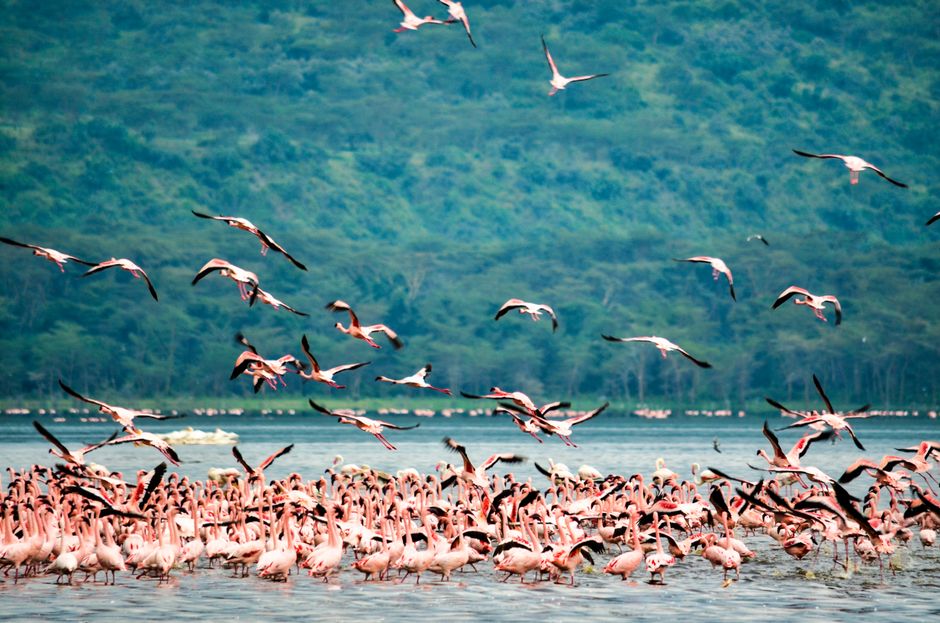
About flamingos: Lake Nakuru is famous for them, but their visible presence can shift depending on water and conditions. You still want to be there during decent daylight hours so you can enjoy the shoreline views.
What you can do inside the park (the usual route)
Every operator has a slightly different game-drive flow, but most day trips try to hit the same “high points” because you don’t have time for every corner of the park.
Top park stops most tours aim for
Here are the common areas you’ll hear about when you ask “what will we actually do inside Lake Nakuru?”—and yes, these are the bits I’d use to compare operators.
- Lake Nakuru shoreline views (for the flamingos and open-lake scenery)
- Baboon Cliff area (great for wildlife viewing)
- Lion Hill / Lion viewing zones (where lion sightings sometimes happen)
- Hippo Pool viewing area (hippos if conditions line up)
- Rhino-focused zones (depending on current access and where visitors are routed)
- Nelson’s / key viewpoints within the park (for sweeping scenery)
If an operator’s itinerary is vague (“we’ll enjoy a safari drive”), ask them to name the actual areas they plan to cover.
Rhino and big cat chances (trade-offs)
Here’s the honest truth: no operator can guarantee rhinos or lions on a day trip. You’re chasing animals, and animals don’t read the itinerary.
What reputable guides do instead:
- Adjust route based on where wildlife is currently showing
- Use sightings reports and careful scanning
- Give you enough time at viewing spots to actually see something
What’s a red flag:
- They overpromise (“guaranteed rhino!”) rather than talk in probabilities
- They rush every stop to “cover everything,” which usually means you cover nothing well
How long you’ll spend at each area
The best day trips don’t treat the park like a checklist. Still, they’ll be structured.
Ask (or look for in the itinerary) questions like:
- How long is the first game-drive block once you enter?
- How many major stops will you do?
- Do you get time for photos and scanning, or is it constant driving?
If the itinerary is extremely packed (five stops in under two hours), you may spend more time bouncing around than seeing wildlife.
How to choose a reputable operator in Nairobi
This part is less glamorous than flamingos and rhinos—but it’s the difference between “great day trip” and “we were trapped in a hot vehicle.”
License, insurance, and who’s actually driving
You want an operator that’s real and properly operating.
Practical things to check:
- Are they clear about the vehicle and who will be driving?
- Do they describe guide experience (not just “we have a guide” but how they operate)?
- Do they mention whether the vehicle is insured/maintained to run long distances?
If their responses feel evasive—especially around vehicle type, pickup details, or inclusions—move on.
Transparent pricing: what’s included vs extra
Request a quote breakdown if it isn’t included.
A solid operator will be clear about:
- What portion is transport
- What portion is park fees
- What portion is guide/service fees
- What’s not included (meals, bottled water, personal expenses, optional activities)
One honest sentence on my process: I’ve used Viator to compare listings and read reviews, but I still message the operator directly to confirm pickup time and exactly what the price covers.
What a good itinerary will look like in your inbox
You shouldn’t need a detective notebook, but you should get clarity.
Look for an itinerary that includes:
- Your pickup time window and exact pickup location (or meet point)
- A realistic driving + park-entry timeline
- Mention of park stops/areas (at least a few named ones)
- Notes about meals and water/snacks
- Expected drop-off time
If you only receive a generic “we will collect you and take you to the park” message, ask follow-up questions before paying.
Booking checklist: the questions that save you money and time
Use this like a script. Copy/paste it into a message and see how they respond.
Questions to ask before you pay
Here’s a checklist that hits the important parts:
- What time do you pick up from Nairobi? (and is it a fixed time or a window?)
- Where exactly do I get picked up? (hotel address / gate / meet point?)
- Is the day trip shared or private? If shared, how many people are in the vehicle?
- What’s included in the price? (park fees, guide, vehicle)
- Are park fees paid in advance or at the gate?
- Do you include a picnic lunch or any meals?
- Is bottled water provided?
- What type of vehicle will we be in? (4x4 safari vehicle vs other)
- What are the main park areas you visit? (ask for named viewpoints)
- What’s the estimated return drop-off time to Nairobi?
- Is there flexibility if traffic is bad? (so you’re not rushed at the end)
If they answer quickly and clearly, that’s a good sign. If they dodge questions about inclusions, meals, or pickup, it’s usually not worth the risk.
How to confirm pickup location
Day trips often start at someone’s front gate or lobby. Make sure you’re crystal clear.
Confirm in writing:
- Your hotel name and exact pickup point
- A contact number (for the driver on the morning)
- Whether pickup is at the front entrance or a different gate
If you’re not in a hotel (e.g., staying with friends), suggest a clear meet point. “Somewhere near the road” leads to confusion.
Final sanity checks the day before
Before you go to bed, do a quick check.
- Ask them to confirm your pickup time and vehicle type
- Confirm you know the pickup instructions (gate access, lobby check-in, etc.)
- Make sure you have cash/card for any extras you didn’t realize were extra
- Charge your phone / bring a power bank (driving + photos drains batteries)
And pack with the heat in mind, even if you think you’ll “just be there for a few hours.” If you’ve ever been caught by African sun with only a T-shirt and no hat, you know why I’m saying this.
Final thoughts and your next step
If you remember just two things, make them these: book with clear pickup timing and choose a company that explains inclusions properly.
When to book (and when to stay flexible)
You can usually book well ahead, but if you’re travelling in peak periods, it’s smarter to lock it in early—then keep your expectations flexible for wildlife.
- Wildlife sightings depend on the day, not just the calendar
- Busy tours can feel rushed; a good operator balances pace with time at viewing areas
Go early, ask hard questions, enjoy Nakuru
A well-run Nairobi-to-Lake Nakuru day trip feels like a satisfying highlight—early light, a focused route, and enough time inside the park to actually see things.
So yes: message a few operators, ask the same questions, compare what’s included, and pick the one that gives you the clearest answer. Then get some sleep, set that alarm, and go catch the morning.
If you tell me roughly where you’re staying in Nairobi (neighbourhood or hotel name) and whether you want shared or private, I can help you interpret the pickup time and itinerary options you’re being offered.