Where you stay in Prague can make or break your first visit.
I’ll map Old Town, Mala Strana, and New Town to the priorities that matter—walking, nightlife, family comfort, and day-trip access—so you can pick without overthinking it.
How to choose fast (your priorities, mapped)
Walkability: where your feet do the sightseeing
Prague is compact enough that most first-timers can do a lot on foot, but the “compact” part comes with one big catch: hills and river crossings.
- Old Town (Staré Město)
- Best for: starting your day at major sights without transit.
- Reality: you’ll walk a lot, and you’ll do it over cobblestones.
- Mala Strana
- Best for: walking to the river, views, and the castle-side vibe.
- Reality: prepare for uphill pulls and stairs, especially if you’re near the castle.
- New Town (Nové Město)
- Best for: getting to trams/metro quickly and walking to a broader spread of sights.
- Reality: you may cross into Old Town more often for “first-timer highlights.”
A simple rule of thumb:
- If you want to minimize transit decisions, lean Old Town.
- If you want scenery + a quieter mood, lean Mala Strana.
- If you want logistics ease and flatter walking, lean New Town.
Nightlife and noise: who’s out late
You can absolutely have fun in every area—but Prague’s nightlife is concentrated, and that affects sleep.
- Old Town
- Expect: busy evenings near the main squares and lots of foot traffic.
- Tradeoff: the closer you are to “historic wow,” the more likely you’ll hear late footsteps, street chatter, and the occasional rowdy group.
- Mala Strana
- Expect: less “loud crowd energy,” more couples and calmer evenings.
- Tradeoff: some areas still get lively around popular viewpoints and bridge-adjacent spots.
- New Town
- Expect: more modern nightlife energy.
- Tradeoff: if you land near major nightlife corridors, you’ll feel it at night.
My advice: don’t only look at the neighborhood name—check the street vibe (and whether your room faces a main road).
Family comfort and room size: less climbing, fewer stairs
Families usually aren’t just optimizing for sights—they’re optimizing for sleep, elevators, and the ability to move without suffering.
- Old Town
- Best for: location, walking loops, and “we’ll manage it” energy.
- Tradeoff: older buildings, smaller rooms, and more uneven sidewalks.
- Mala Strana
- Best for: calmer mornings and pretty views.
- Tradeoff: hills can be a dealbreaker if you’ve got a stroller, mobility limitations, or you’re traveling with kids who get tired fast.
- New Town
- Best for: easier access to transit and often a better chance at family-friendly layouts.
- Tradeoff: it can feel less “storybook” than the Old Town core.
If you’re traveling with kids, put this in your decision checklist:
- Can you get to your front door without a mini obstacle course?
- Is it quiet enough for afternoon naps?
- Are you near tram/metro options if you decide to skip one walk?
Day-trip access: trains, buses, and easy connections
For day trips (Kutná Hora, Český Krumlov, Karlštejn, etc.), the main question is: how easy is it to get to the start point?
- New Town tends to win for practicality because it’s where a lot of transport and rail connections land.
- Old Town is great if you’re doing day trips organized from the center, but you may spend more time walking through crowded areas to connect.
- Mala Strana is totally workable, but if your day starts early, you’ll want to plan your route so you’re not battling hills with a tight schedule.
Old Town (Staré Město): the postcard base
Best for first-timers who want to see everything on foot
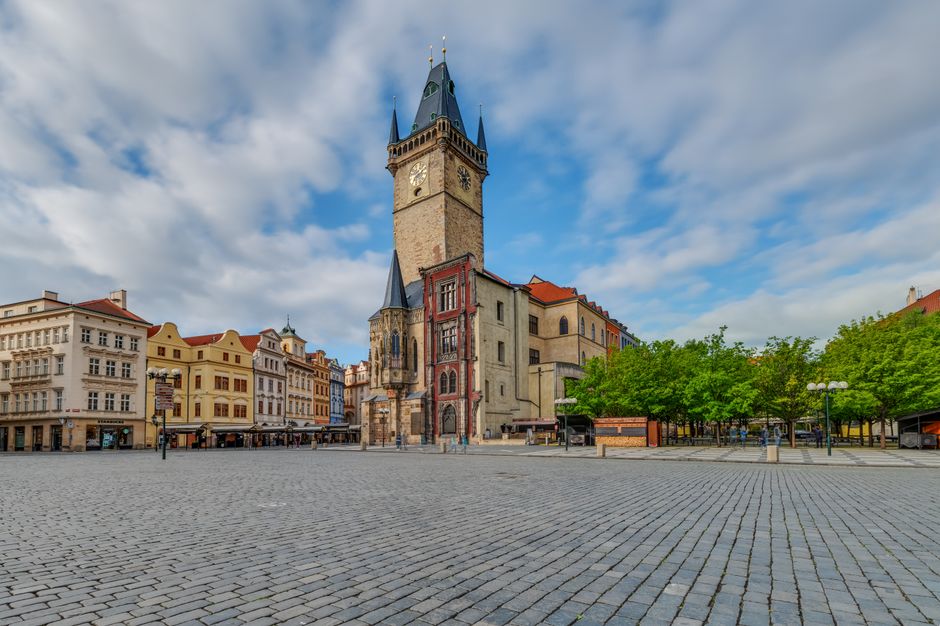
Old Town is ideal when you’re trying to squeeze in your highlights without wasting time.
- You’re typically close to:
- major historic squares
- the classic old-city walking routes
- an easy “wander at night” loop
- Perfect for:
- short trips (like 2–4 days)
- travelers who like mornings that start with sightseeing
- people who don’t mind walking everywhere
Big tradeoffs: crowds, cobblestones, and late-night noise
Let’s be honest: Old Town can be busy.
- Expect:
- heavier pedestrian traffic around the main areas
- tourist groups that move like a tide
- cobblestones (which are beautiful and also… not great with heavy luggage)
- Potential sleep issues:
- street noise can show up later in the evening
- some streets get lively early, then stay busy
How to reduce the downsides:
- Stay slightly off the main square corridors while still being “walkable.”
- Choose a hotel/apartment with good sound insulation if reviews mention it.
- If you’re booking in peak season, assume you’re paying for location more than space.
Where it feels easiest to sleep: around the square vs quieter lanes
In Old Town, the difference between “amazing location” and “why can I hear everything?” can be surprisingly small.
- Generally, the closer you are to the main spectacle, the more you trade:
- quiet for convenience
- A calmer approach looks like:
- a few streets away from the busiest routes
- a room facing inward (courtyard-facing if possible)
- an address that still lets you walk in 10–20 minutes to the core sights
If you do Old Town, you’re basically choosing the tradeoff: maximum convenience, some noise and crowds.
Mala Strana: quieter romance with hill energy
Best for couples and anyone who likes a slower vibe
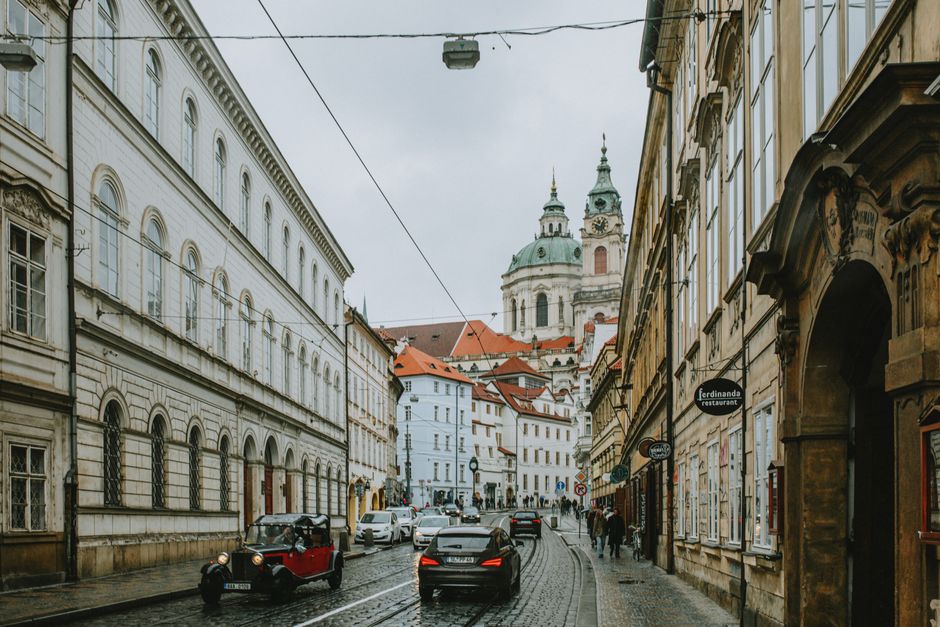
Mala Strana often feels like a “travelers’ Prague” choice rather than a “tour groups’ Prague” choice.
- Why people love it:
- charming streets and river-adjacent areas
- a more relaxed evening feel
- strong scenery value even when you’re just walking to dinner
- Great match for:
- couples
- anyone who wants a calmer base after sightseeing
- travelers who don’t mind a bit of stair-and-slope effort
What to watch out for: hills, stairs, and bridge bottlenecks
Here’s the big reality check: Mala Strana can be physically harder than it looks on the map.
- Expect:
- uphill walks (especially toward castle-adjacent areas)
- stairs in older buildings
- more walking “effort” for the same distance compared to flatter areas
- Tradeoff:
- you might spend more time planning routes or taking a tram for one leg
Sleep strategy in Mala Strana:
- Look for listings that mention:
- quiet rooms
- elevator access (if you need it)
- proximity to a tram stop without being on a noisy corridor
Also—bridge bottlenecks are real. If you’re crossing often (for example, to the main Old Town core), give yourself extra minutes at peak hours.
Day-trip rhythm: still central, but plan your uphill walk
Mala Strana is centrally located, so day trips are still easy—just be thoughtful about morning logistics.
- Practical pattern:
- start with a quick local route to transit
- avoid “last-minute map surprises” if you’re catching an early departure
- If you’re doing multiple day trips, consider that:
- New Town can be easier for repeated transport connections
- Old Town is easiest for day trips that start right in the center
Mala Strana is a “beautiful home base” choice. If that’s your priority, it usually earns the tradeoff.
New Town (Nové Město): the convenient, more spacious option
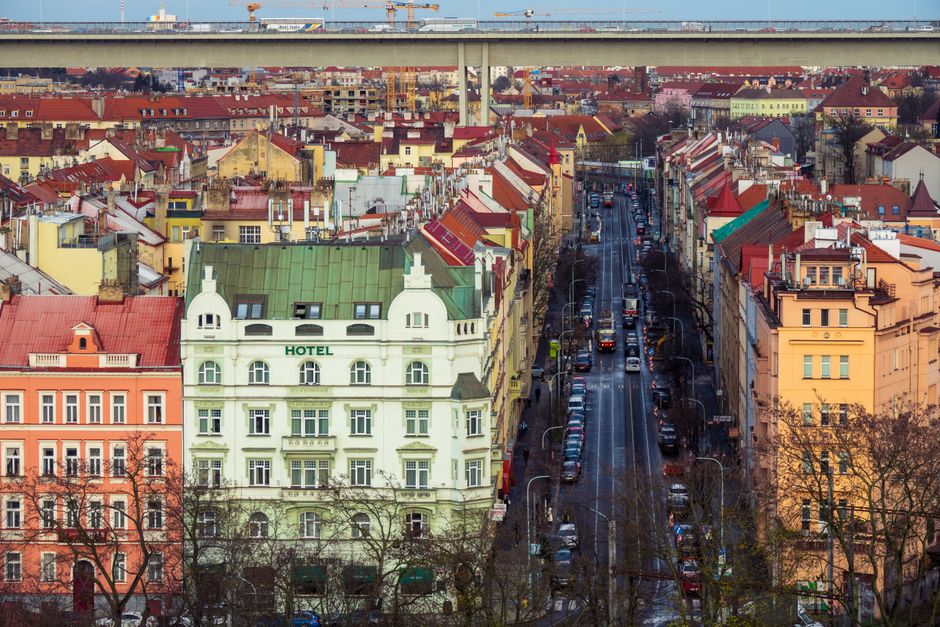
Best for families, longer stays, and easy logistics
If you’re traveling with kids, have mobility needs, or just want your vacation to be less physically exhausting, New Town can feel like a cheat code.
- Why it works well:
- more transit options nearby
- often more hotel/apartment choices in a practical layout
- easier walking for people who don’t want constant hills
- Great match for:
- families and multi-generational travel
- longer stays (where you’ll appreciate being able to do errands without a whole expedition)
- travelers who like planning day trips efficiently
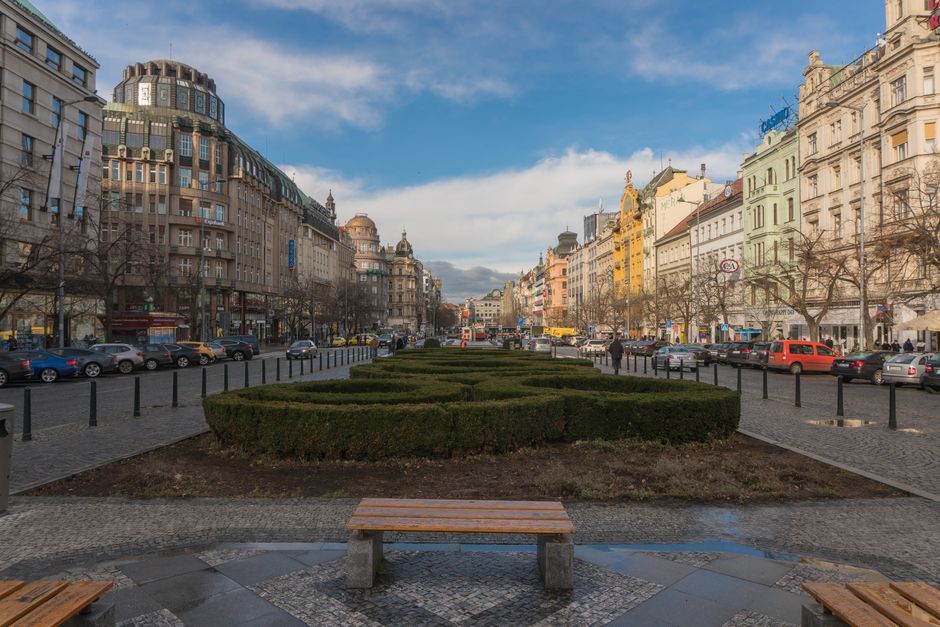
Nightlife perks (and the Wenceslas Square effect)
New Town is also where a lot of the “modern Prague” vibe lives.
- Expect:
- lively evenings
- more restaurant variety across cuisines
- a bigger chance of late-night energy near certain corridors
- Tradeoff:
- you may need to be picky about street noise
The smart approach:
- Choose New Town but stay a little away from the loudest nightlife strips.
- If you’re a light sleeper, filter for “quiet room” reviews and consider courtyard-facing spots.
A practical note on commuting: getting to sights without crossing the whole river every time
From New Town, you can still reach the classic sights easily, but the flow tends to be:
- use walking for “local” sightseeing
- use tram/metro for the longer legs
That means you get flexibility. You’re not locked into one long walking day. And on a travel day (or a rainy one), that matters.
If Old Town is “walk from your bed to the postcard,” New Town is “base yourself smartly and move like a local.”
Best hotel type by neighborhood (so you don’t regret it)
Once you pick an area, your lodging choice matters just as much as the neighborhood name. Prague buildings can be charming in photos and challenging in real life—so let’s be practical.
Choose the right lodging format: hotel vs apartment
There’s no universal winner, but here’s how it usually shakes out.
- Hotels tend to be better if:
- you want daily housekeeping
- you prefer easy front-desk support
- you’re okay with smaller rooms
- Apartments tend to be better if:
- you’re traveling with family or friends
- you want a kitchenette
- you value space and a more local feel
Tradeoff to consider:
- Apartments can be amazing, but you want to confirm:
- stair access / elevator
- noise insulation
- whether you’ll get a comfortable sleep (not just a pretty view)
Ask these location questions before you book
These are the questions I wish every traveler asked before committing to an address.
- How far is it from the “main streets” but still quiet?
- Will we have to cross a major bottleneck often? (bridges can slow you down)
- Is the walk mainly flat or does it ramp up with stairs?
- If it rains, do we have an easy transit route?
- Is there an elevator if it matters for you?
And for comfort specifically:
- Check bed comfort and heating (old buildings can be quirky)
- Look for recent reviews that mention:
- noise
- cleanliness
- water pressure
How I sanity-check areas on Booking.com
When I’m trying to picture “what it feels like,” I do a quick loop:
- I filter by your neighborhood first (Old Town vs Mala Strana vs New Town)
- then I shortlist places that are:
- walkable to the stuff you actually plan to do
- but not on the most obvious noise-heavy streets
- finally, I scan reviews for “quiet,” “noise,” “stairs,” and “location”
It’s not perfect, but it helps me avoid the common mistake: choosing the right neighborhood and the wrong street.
Final thoughts: pick your vibe, then lock in your location
Prague is one of those cities where your hotel location quietly determines your whole mood. Don’t just aim for “central”—aim for the central that fits you.
If you’re only in Prague for a few days
- Choose Old Town if:
- you want maximum sightseeing on foot
- you don’t mind crowds and possibly some noise
- Choose Mala Strana if:
- you want the romantic atmosphere and calmer evenings
- you can handle hills and stairs
- Choose New Town if:
- you want convenience and easier logistics
- you’d rather hop on transit than do every walk twice
If you care most about sleep quality
- You’ll usually get better odds by:
- staying a few streets off the busiest areas
- avoiding loud nightlife corridors
- prioritizing “quiet room” reviews
- In general:
- Old Town can be lively
- New Town can be lively depending on the block
- Mala Strana is often quieter, but can involve elevation
My quick ‘choose this first’ recommendation
If you’re a typical first-time visitor—excited, busy, and wanting it to be easy—here’s the simplest way to decide:
- Pick Old Town for postcard intensity.
- Pick Mala Strana for atmosphere and slower evenings.
- Pick New Town for comfort, transit convenience, and family-friendliness.
Whatever you choose, once you book, plan one “slow moment” each day—because Prague is at its best when you’re not rushing from one viewpoint to the next.
If you tell me your trip length and whether you’re traveling as a couple, with kids, or solo, I’ll help you pick which of the three areas fits your style best.