If you’re picturing crystal-clear Red Sea snorkeling straight from the beach, you’re not wrong… but near Sharm el Sheikh the experience really depends on where you go.
Below are the best snorkel-access points around Sharm—what the reef is like, what visibility tends to feel like, and whether you can swim it from shore or should go by boat.
Shore snorkeling near your hotel zone

Naama Bay (easy starter, lots of movement)
Naama Bay is the “first stop” for a lot of visitors because it’s convenient, built-up, and you can usually get in with minimal fuss.
- Where to access: public sections of the bay + steps/entries around the main beachfront strip.
- Reef & vibe: you’ll mostly find smaller coral patches and reef edges rather than the huge dramatic walls you see on boat dives.
- Visibility & conditions: on calmer days you can get decent clarity, but this is also an area where boats, swimmers, and activity can stir things up.
- Do you need a boat/guide?
- No for snorkeling—this one is typically shore-access.
- Yes (optional) if you want a guide just to point out the better edges and keep you away from boat traffic.
- What to expect to see: mixed reef fish cruising through coral fragments; sometimes sea turtles (not guaranteed).
My trade-off take: Naama Bay is great if you want “grab mask + go” snorkeling. It’s just not always the most serene, and if you’re chasing the absolute best reef density, you’ll likely end up doing at least one boat trip.
Shark’s Bay (the classic “snorkel from shore” choice)
This is one of those places people rave about because the shoreline reef can be reachable without a full-day excursion.
- Where to access: shoreline entries around the bay (many people snorkel near the calmer sides).
- Reef & vibe: more continuous reef structure than Naama Bay—think coral heads and reef shelves.
- Visibility & conditions: tends to be clearer when the sea state is calm. Mornings are usually your friend.
- Do you need a boat/guide?
- Usually no for basic snorkeling from shore.
- Sometimes yes (practically) if you’re not confident with current or if you want help targeting the better sections.
- What to expect to see: schools of fish, lots of coral “activity,” and frequent sightings of reef life that look like they’ve been waiting for you.
My trade-off take: This is an excellent compromise—reef access without the whole “boat day” setup. The only catch is crowding: weekends and peak seasons can make it feel busy.
Domina Coral Bay (shore access + an easy resort rhythm)
Coral Bay is a long resort stretch, and the snorkeling reputation comes from the fact that there are shoreline reef edges you can reach.
- Where to access: along the Coral Bay beachfront zones—look for designated entry points (many hotels/venues have common-sense access spots).
- Reef & vibe: a mix of coral patches and reef slopes; not every section is equally impressive, so a little walking (or asking) helps.
- Visibility & conditions: generally good when winds aren’t whipping up surface chop.
- Do you need a boat/guide?
- No for basic snorkeling—shore access is the whole point.
- Optional if you want a guided route to the livelier edges.
- What to expect to see: smaller reef fish, occasional bigger visitors (again—nothing is guaranteed), and a satisfying “I’m actually in the reef ecosystem” feeling.
My trade-off take: It can be a little more “resort convenient” than “wild adventure,” which is exactly what some people want.
Quick reality check for shore entries
Before you jump in, here’s the stuff that actually changes your experience more than anything else:
- Current strength: even at shoreline spots, wind and tides can bring more movement than you expect.
- Where you enter matters: snorkel results can vary wildly from one 50–100m stretch to the next.
- Boat traffic: if boats are working nearby, choose calmer edges and keep your head on a swivel.
- Bring/plan basics: mask + snorkel + fins (if you have them). If you’re borrowing, double-check fit—dry snorkels and tight masks make the whole trip easier.
Quieter shore entries for calmer swims

Nabq Bay (protected feel, often less chaotic)
Nabq is more “nature-protected” in tone than the town-facing bays. That usually means a calmer atmosphere and, when conditions are right, nice snorkeling.
- Where to access: shoreline areas around Nabq’s bay coastline—often best via nearby resorts or designated entry points.
- Reef & vibe: reef edges with coral patches; you’re typically snorkeling along the life rather than hovering above one perfect “wow wall.”
- Visibility & conditions: can be excellent on quiet days, especially with fewer people stirring the water.
- Do you need a boat/guide?
- No for snorkeling from shore if you’re using the right entry.
- Optional if you want help interpreting what’s worth swimming toward.
- What to expect to see: reef fish and coral clusters; the protected-water vibe tends to feel more “settled.”
My trade-off take: Nabq is less “instant party beach,” which is the point—but it can mean you have to be a bit more deliberate about where you enter.
Ras Umm Sid (more local + can be more interesting)
Ras Umm Sid is the kind of place where you’ll often find people doing that “quick reef check” snorkeling. It’s not usually the most crowded, and that helps.
- Where to access: rocky/reef-adjacent coastline areas near the Sharm mainland side; pick a safe entry and follow local guidance.
- Reef & vibe: you’re swimming along reef edges with coral patches and rocky structure.
- Visibility & conditions: can be very good when the sea is calm. If there’s wind, you’ll feel it quickly.
- Do you need a boat/guide?
- No in many cases—shore snorkeling is common.
- Yes (recommended) if conditions look even slightly rough or you’re not experienced with Red Sea entries.
- What to expect to see: lots of small-to-medium reef life in the coral pockets.
My trade-off take: This one can be more “snorkel and explore” than “luxury float.” If you like that, you’ll probably enjoy it.
Big-name day trips (reef protection + usually clearer water)
Ras Mohammed National Park (go for the protected-reef feel)
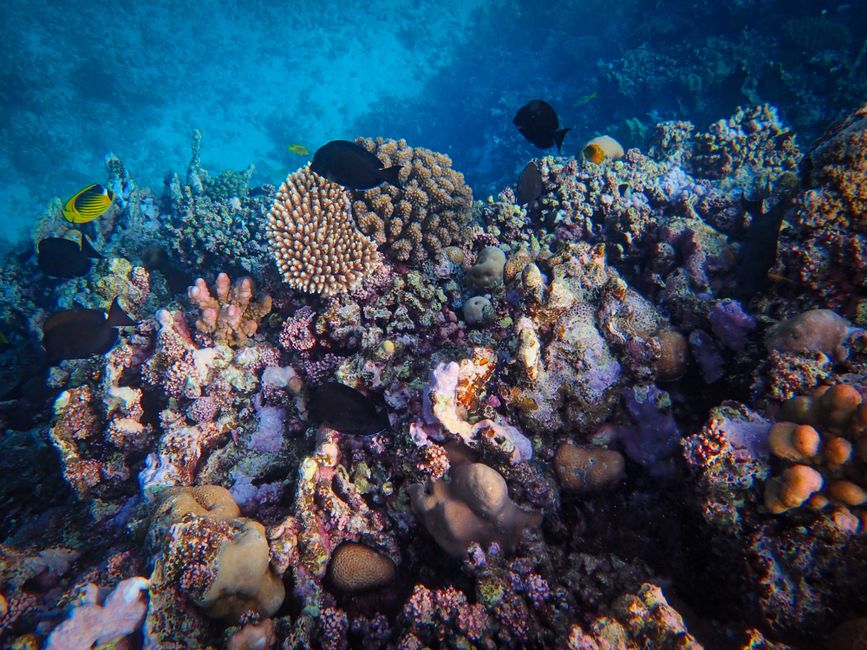
Ras Mohammed is the name that comes up when people want the “real Red Sea” snorkeling experience. It’s also a protected area, which is part of why it’s so well-regarded.
- Where you’ll snorkel from: typically via park/tour access and/or the most suitable protected entry areas, often involving boats.
- Reef & vibe: more dramatic reef environments than many shore bays—think richer coral structure and bigger “reef ecosystem” energy.
- Visibility & conditions: often strong, particularly on calm days.
- Do you need a boat/guide?
- Yes, realistically. Even if you see photos that look like shore access, the best experiences are usually organized.
- A guided operator helps you land on the right spots and manage boat distance and entry safety.
- What to expect to see: diverse reef fish and coral, plus the feeling of “this is a proper reef habitat.”
My trade-off take: This is not the place for a casual “I’ll just jump in for 20 minutes.” It’s a half-day/day-trip mindset.
Tiran Island (the overall direction for the reef power)
Tiran Island is where many snorkeling days “go” because the strait can deliver strong reef life—often with good chances to see bigger fish cruising along.
- Where you snorkel: by boat from Sharm—most people don’t attempt this as a swim-from-shore situation.
- Reef & vibe: classic Red Sea strait reefs with varied coral structure.
- Visibility & conditions: often excellent when the sea is calm, but this is also an area where conditions can change quickly.
- Do you need a boat/guide?
- Yes. Plan on a guided boat/snorkel stop itinerary.
- Expect to follow the boat crew’s safety instructions on entry and timing.
- What to expect to see: a mix of coral heads, schools of reef fish, and the kind of “wow, there’s a lot happening down there” snorkeling people talk about.
A practical note: If you want an easy way to line up a day-trip itinerary with access to the right spots and safety briefings, I’ve used Viator for Tiran-style snorkel tours before—mainly for convenience, not because it’s magical.
Tiran Strait reef names divers talk about

Yolanda Reef (great when the sea’s cooperating)
Yolanda Reef is one of the best-known reef stops in the Tiran strait area.
- Where it is: accessed by boat during reef-stop day trips.
- Reef & vibe: coral-focused snorkeling with a sense of “vertical structure” beneath you, depending on conditions.
- Visibility & conditions: if the water’s clear, it’s one of those places that makes you slow down and float. If conditions are rough, visibility can drop.
- Do you need a boat/guide?
- Yes. This is boat-only practical.
- Follow the crew for entry timing—don’t treat it like an open ocean swim.
- What to expect to see: coral terrain and plenty of fish activity.
My trade-off take: It’s worth it on the right day. If the sea state looks unsettled, it can still be enjoyable, but don’t expect “perfect postcard snorkeling” every minute.
Jackson Reef (a reliable “busy reef” feeling)
Jackson Reef is another famous strait stop where snorkeling tends to feel active.
- Where it is: reached by boat via Tiran strait routes.
- Reef & vibe: coral and reef structure that creates lots of pockets for fish.
- Visibility & conditions: often excellent when wind and swell are low.
- Do you need a boat/guide?
- Yes. Expect a planned stop, not a random swim.
- What to expect to see: plenty of small fish traffic and reef life concentrated around coral patches.
My trade-off take: If you want a snorkeling stop that feels “alive,” this one frequently delivers.
Gordon Reef (go for variety and that strait energy)
Gordon Reef rounds out the well-known strait names many snorkelers want on their itinerary.
- Where it is: boat access from Sharm during guided reef stops.
- Reef & vibe: reef structure with fish life distributed across coral formations.
- Visibility & conditions: typically best when you get a calm weather window.
- Do you need a boat/guide?
- Yes. You’ll want the operator’s knowledge for safe entry.
- What to expect to see: coral terrain, fish activity, and a strong sense that you’re snorkeling through a real habitat.
My trade-off take: The best part is often the “float and look around” feeling—don’t rush. If you come in too fast, you’ll miss the details.
Final thoughts & a quick safety checklist
My practical “choose your spot” rule
When you’re deciding where to snorkel near Sharm, I’d keep it simple:
- Pick a shore spot (Naama Bay / Shark’s Bay / Domina Coral Bay / Nabq / Ras Umm Sid) if:
- you want flexibility,
- you’re okay with reef quality varying by exact entry,
- and you’re planning for shorter sessions.
- Pick a boat day (Ras Mohammed / Tiran strait + reef stops) if:
- you want the strongest chance of standout reef structure,
- you’re comfortable with the “day trip” pacing,
- and you’d rather be dropped onto the best conditions than gamble.
Quick checklist before you jump in
This is the stuff that keeps your snorkeling relaxing:
- Check conditions first: if boats are taking it slow or the water looks choppy, don’t force a “shore-only” plan.
- Use proper mask fit: a tiny leak ruins the whole experience.
- Respect your comfort level: if you’re not confident in currents, stay near the group and avoid pushing deeper or farther than planned.
- Don’t touch the reef: corals and protected marine life can be fragile—and you’ll protect what you came to see.
If you tell me which area you’re staying in (Naama Bay side, Old Sharm, or Domina/Coral Bay side) and whether you prefer “quick shore sessions” or “proper boat days,” I can help you narrow this list to a perfect 2–3 snorkeling plan.