Hey fellow travelers—if you’re wondering which Philippine islands won’t overwhelm you on a first trip, I’ve got you covered. Below I’ll break down the best islands by travel style (beaches, diving, countryside, nightlife) and flag which ones are easiest to reach.
First-timer-friendly beach islands (easy wins)

If you’re brand new to the country, start with islands that are simple to reach from the major flight routes, then you can branch out later.
Boracay (White Beach energy, tourism at its easiest)
Why it’s great for first-timers: It’s the classic “walk out of your hotel and you’re at the beach” setup.
Newcomer ease: Very easy (strongest tourism infrastructure).
What you’ll actually do there:
- Swim, snorkel, and laze around in the late morning/afternoons
- Eat your way through beachfront restaurants and market-style stalls
- Take it easy with optional add-ons if you want to island-hop
Trade-offs (tell yourself before you arrive):
- It gets busy—especially in peak months and on weekends
- Prices can feel higher than you expect for the Philippines
Panglao (Bohol) (beach time + less chaos)
Why it’s great for first-timers: Panglao is a calmer alternative to the loudest party beaches, with solid day activities.
Newcomer ease: Easy—most people connect via Bohol’s main gateway (usually through Cebu).
What it’s best for:
- Beach days without the intense crowds
- Swimming/snorkeling from the calmer edges of the island
- A relaxed vibe that still has restaurants and tours
Trade-offs:
- If you want all-night nightlife, you’ll find it more “friendly evening” than “big-city party.”
Samal Island (Davao Gulf, a quieter beach break)
Why it’s great for first-timers: If you want beaches without the heavy party scene, Samal is a good switch-up.
Newcomer ease: Fairly easy (but it’s usually reached by routing through Davao).
What you’ll do:
- Resort-style downtime
- Short excursions from the main beach areas
- Easy “reset trip” energy
Trade-offs:
- It’s not as packed with the “everyone’s here” infrastructure as the most famous islands.
Palawan for bucket-list scenery (the dramatic stuff)
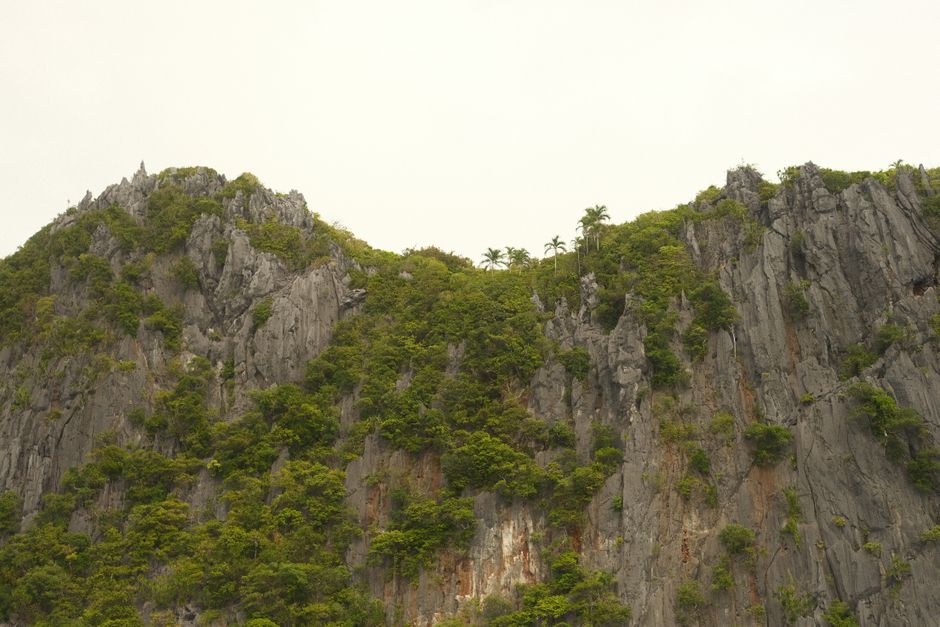
Palawan is where the Philippines feels cinematic—limestone cliffs, turquoise water, and that “wait, are we really here?” feeling.
El Nido (island-hopping heaven)
Why it’s great for first-timers: It’s one of the most complete “wow” packages—scenery, water activities, and plenty of tour options.
Newcomer ease: Easy enough if you’re already comfortable with a few moving parts (you’ll base yourself and do day trips).
What you’ll actually do:
- Join guided island-hopping days (they’re the easiest way to see a lot)
- Spend a chunk of time in and around the bay area
- Take your time—El Nido rewards slow planning
Trade-offs:
- It can feel busy in peak season
- If you hate boats and long tour days, you’ll want to pace yourself
Coron (shipwreck dives + epic lagoons)
Why it’s great for first-timers: Even if you’re not a hardcore diver, Coron is still a scenery-first destination.
Newcomer ease: Moderate—easy to visit, but you’ll usually do more structured tours to maximize your time.
What you’ll do:
- Lagoon and viewpoint days (the “camera doesn’t lie” kind)
- Snorkeling and day activities
- Optional diving if you want to level up
Trade-offs:
- Some activities depend on sea conditions—so you may need a little flexibility in your schedule
Diving in the Philippines without turning your trip into homework

You don’t need to be an expert to enjoy the water. The trick is choosing islands where conditions, guides, and sites make it beginner-friendly.
Moalboal (Cebu) (easy-going marine life days)
Why it’s great for first-timers: It’s famous for vibrant underwater life you can often see without needing to be a tech diver.
Newcomer ease: Moderate—you’ll usually base in a town area and do day trips or guided outings.
Best for:
- Snorkeling days if you want to dip into underwater life
- Beginner-friendly diving experiences when conditions line up
Trade-offs:
- Expect it to be popular; book the most important slots early
Malapascua (Cebu) (for the “bucket-list” divers)
Why it’s great for first-timers: It’s one of those places people talk about for a reason—especially if you want a more distinctive dive experience.
Newcomer ease: More moving parts—still very doable, but it takes extra planning compared with the top beach hubs.
What you’ll do:
- Diving-focused days (great if you’re keen)
- Snorkeling/relaxed downtime between dives
Trade-offs:
- The best experiences can depend on timing and conditions, so don’t schedule every day as a “must-do.”
Apo Island (Negros) (great water, strong “eco” feel)
Why it’s great for first-timers: It’s a smaller, more “nature-forward” island trip where the focus is the ocean.
Newcomer ease: Moderate—you’ll usually connect through the nearby mainland gateway.
Best for:
- Snorkeling or diving with a more remote vibe
- People who prefer calm and clear water over big crowds
Trade-offs:
- It’s not a “walk from your hotel to the dock whenever you feel like it” destination—day plans matter
Countryside and natural wonders (slow down on purpose)

If your first trip is only about beaches and boats, you’ll miss one of the best parts of the Philippines: the inland variety.
Siquijor (island pace + easy wandering)
Why it’s great for first-timers: It’s a laid-back island where you can mix beach time with countryside exploring.
Newcomer ease: Moderate—simple enough once you’re there, but connections can be less frequent than the biggest hubs.
What you’ll enjoy:
- Waterfalls and scenic stops (often with a “choose your own pace” feel)
- Beach days with fewer crowds than the headline islands
Trade-offs:
- Don’t expect constant “tour bus” energy—this is more DIY and relaxed
Camiguin (the volcano island vibe)
Why it’s great for first-timers: Camiguin is about nature and atmosphere—think volcanic landscapes, hot springs, and quiet roads.
Newcomer ease: Moderate—it’s doable, but you’ll want a little extra buffer in your route planning.
Best for:
- A slower rhythm and day trips
- People who like scenery more than party plans
Trade-offs:
- Fewer big “resort zones,” so plan your expectations (it’s peaceful, not flashy)
Romblon (Tablas) (quiet islands with real character)
Why it’s great for first-timers: If you want to experience island life without the same crowds, Romblon can be a refreshing change.
Newcomer ease: More planning required—it’s not always as simple as the mainstream routes.
What you’ll do:
- Island-hopping style days
- Beach time with a calmer feel
Trade-offs:
- A bit more “schedule and timing” awareness than the easiest hubs
Surf, nightlife, and a more social vibe
Not everyone wants the same pace. If you like meeting people, going out at night, or chasing waves, these islands tend to deliver.
Siargao (surf culture + good social energy)
Why it’s great for first-timers: Even if you’re not surfing, the vibe is fun—cafes, beach days, and nights that are lively without feeling chaotic.
Newcomer ease: Moderate to easy—it’s well set up for visitors, and it’s a common itinerary stop.
Trade-offs:
- If you want absolute quiet, Siargao might feel a bit too lively
Cebu City / Mactan (Cebu) (best “big airport” feel)
Why it’s great for first-timers: Cebu is often the practical hub people use to move around the Visayas. Once you’re there, you’ve got options.
Newcomer ease: Easy—it’s one of the most convenient bases for logistics.
What it’s best for:
- A mix of city time + beach access
- Easy connections to other islands
Trade-offs:
- Traffic can be… a lot. Build cushion time for getting around.
Puerto Galera (Mindoro) (for beach + atmosphere)
Why it’s great for first-timers: It’s a friendly mix of beach relaxation and a more active visitor scene.
Newcomer ease: Moderate—routes are usually straightforward, but you’ll want to plan the “getting there” day carefully.
What you’ll do:
- Beach time with lots of nearby options
- Social evenings depending on where you stay
Trade-offs:
- Some areas feel more tourist-focused—choose your base thoughtfully
How to choose your island mix (so it actually feels fun)
You’ll have a better trip if you pick islands based on what you want your days to feel like.
Start with one “easy hub”
If you only remember one thing: don’t build a complicated route on day one. Choose one base that makes flights and transfers straightforward, then add other islands from there.
Use this quick logic:
- Easiest logistics: pick one of the big first-timer gateways
- Add variety later: once you’re comfortable, move to islands with more “schedule and conditions” factors
Match islands to your travel style
Here’s the simple way to plan:
- Beaches / chill days: pick islands where you can comfortably spend full afternoons doing very little
- Diving / snorkeling: choose places known for water-focused tours and sites
- Countryside / slow travel: add at least one island where nature is the main event
- Nightlife / social vibe: make sure one stop has enough evening options to keep your energy up
A simple 10–14 day first-timer combo
I’ll keep this realistic: most first trips feel best when you split your time between one “big scenery” destination, one “water-focused” destination, and one “slow and local” island.
A balanced shape that works for a lot of travelers:
- Days 1–4: easy beach hub (get your footing)
- Days 5–8: Palawan-style dramatic water scenery
- Days 9–11: diving/snorkeling island (one or two days is often enough)
- Days 12–14: countryside island to slow down before you leave
Final thoughts (and my practical advice)
Don’t overbook “perfect days”
The Philippines is amazing, but it’s also island travel—meaning weather, sea conditions, and transport schedules can shift your plans.
So build in flexibility:
- Keep 1–2 half-days unassigned
- If a tour sells out, switch days rather than forcing it
You’ll have the best trip if you pick fewer islands—better
It’s tempting to chase every famous spot. But the best first trips usually come from choosing islands that match your vibe, then spending enough time on each to actually enjoy them.
If you tell me your rough travel dates and whether you prefer relaxing or activities (and your budget range), I can suggest a tighter island shortlist for your first trip.