Hey fellow travelers—if your Reykjavik plan is “harbor in the morning, museums after,” you’ll want a base that keeps your feet happy. This guide breaks down the best areas to stay (by practical landmarks) and the winter walking risks you should plan around.
I’m keeping it practical: you’re not just choosing a neighborhood, you’re choosing a daily walking route in wind, slush, and dark evenings. Reykjavik can be beautiful and totally doable on foot—but only if you pick the right spot.
Start With Your Walk Radius (and Why Winter Changes Everything)

If you’re trying to stay close to the harbor and museums, you can simplify the decision by using two “anchors” on a map: the harbor/Harpa side and the main museum clusters around downtown streets. Then you aim for the shortest, most direct routes.
What “close” usually looks like in Reykjavik
In decent weather, a lot of Reykjavik feels walkable. In winter, “walkable” becomes “walkable if you’re careful.” As a rule of thumb:
- Under ~15 minutes on foot = you’ll genuinely use walking day-to-day.
- 15–25 minutes = doable, but expect extra time for slippery crossings, wind, and sudden snow.
- Over ~25 minutes = you’ll start thinking about taxis, especially at night.
Winter walk risks you can’t ignore
Reykjavik in winter isn’t just cold—it’s wet + icy, plus strong coastal wind.
Expect:
- Black ice on shaded sidewalks (especially where streetlights can’t warm things up).
- Slush at corners and near entrances (trips are common, not just “falls.”)
- Wind chill near the water—you’ll move faster, which means you’ll slip more.
- Early darkness—harder to judge surfaces and traffic when it’s dark and you’re carrying bags.
My advice: plan your base so your “museum day” includes one main walking loop (out to museums, back past dinner). You don’t want to be criss-crossing all over town in icy conditions.
Old Harbour & Harpa: Best If You Want the Water Right Outside

If your ideal day starts with sea air and ends with galleries, this is the part of town to target. You’ll be near the most “harbor energy” and you’ll often feel like Reykjavik is giving you the scenery for free.
Great for harbor vibes and museum-adjacent sightseeing
Look around these anchors:
- Harpa Concert Hall
- Old Harbour
- Sun Voyager (Solfar)
- Reykjavík Art Museum Hafnarhús
When you stay close to these, you get:
- Short walks to the harbor promenade areas.
- Easy “combo days” where you do one museum + one coastal stop without backtracking.
- The feeling that you’re always within reach of where the action is.
Where it can feel annoying (even when it’s close)
Even with proximity, Old Harbour isn’t perfect.
- Wind can be intense—you’ll feel it more than you expect.
- Side streets can be slippery and less cleared than the main paths.
- If you’re sensitive to noise, stay mindful of how busy areas are at night.
Practical tip: when you book, double-check the “walk route” on the map at street level (not just the straight-line distance). In winter, that route matters more than ever.
Downtown Around Laugavegur/Austurstræti: Museums in Every Direction

This is the “classic base” for a reason. If you want to bounce between museums without turning your day into a long winter hike, you’ll love staying near the central streets.
Best for hitting multiple museums efficiently
This area makes it easier to collect several museum visits in one day.
Aim for a base that keeps you within easy reach of:
- Reykjavík City Museum
- The Icelandic Phallological Museum
- Saga Museum
Why this works:
- You can stitch together visits without feeling like you need a new layer of clothing every 20 minutes.
- You’ll find plenty of cafés and quick food stops, which is a big deal when the weather is doing that “snow then drizzle” thing.
- On nights when it’s dark and icy, you can still keep dinner and museums in the same neighborhood.
The trade-offs (because there are always trade-offs)
Downtown has the most convenience, but:
- It can be louder, especially if you’re near busier streets.
- Prices often creep up because everyone wants this walkability.
- On busy evenings, you might deal with more foot traffic and slower sidewalk flow (which can actually make the walk feel more tiring).
If you’re traveling with a bit of flexibility, I’d choose downtown if your priority is “maximum museum efficiency” over “quiet harbor mornings.”
The South-Central Stretch (Tryggvagata / Suðurgata Side): A Balanced Option
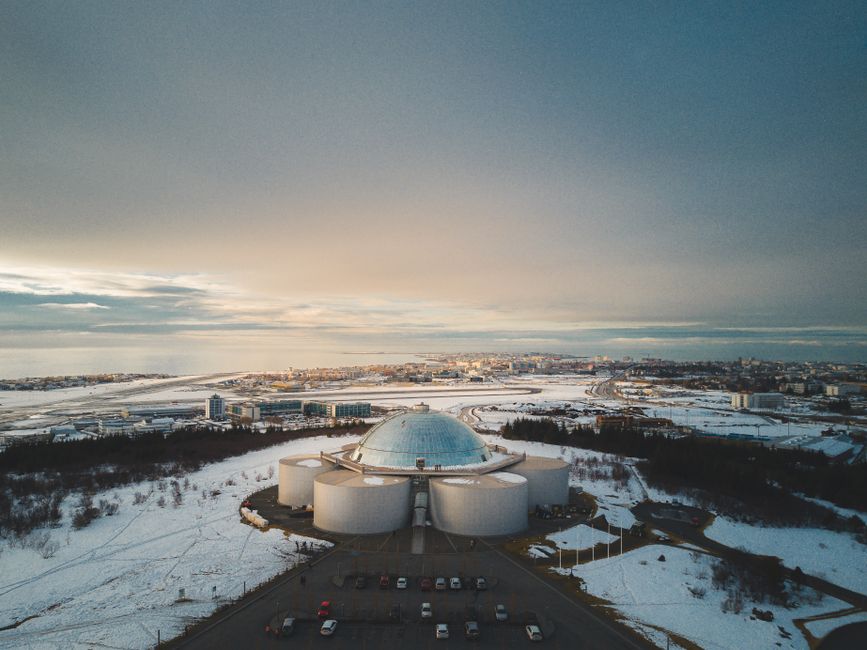
If Old Harbour feels too exposed and downtown feels too loud, the south-central strip can be the sweet spot. You’re still close to plenty of sights, but you might get a calmer, more “settled” base.
Good access to the biggest museum anchor
From this side, you can line up your day around:
- National Museum of Iceland
This matters because the National Museum is one of those “commitment museums”—you might want to do it early, take your time, and then continue with other indoor stops afterward.
A base nearer this museum side tends to help with:
- Smoother morning planning (less “rush across town”).
- Fewer long walks back to your hotel when you’re carrying shopping bags or museum bits.
Winter benefit: fewer harsh “water-wind” moments
While the harbor isn’t far, you’re often not in the thickest wind tunnel of the waterfront.
What that can mean day-to-day:
- Your morning walk to museums feels more predictable.
- Your evenings are easier to manage because you’re not battling the coldest parts of the coastal breeze.
This is a smart choice if you’ve got a slower travel pace—more sitting in warm places, fewer “I’ll just pop out quickly” walks.
West-Center (Skólavörðustígur Area): Great Views, Just Watch the Slopes
West-center is popular because it can put you near a lot of central life—plus you’re not always on the most exposed streets.
Works well if you want a “city + culture” day
Staying in this general area is handy if you want cultural stops plus atmospheric streets.
It’s also a practical option for visitors who like:
- shorter hops between indoor stops
- easier café breaks
- getting to central walking routes without feeling like you’re always heading toward the waterfront
The winter reality: hills, ice patches, and longer “mental time”
Reykjavik has slopes, and winter changes how tiring those feel.
Keep an eye out for:
- Ice patches on steeper sections (they can be worse than flat sidewalks).
- Sidewalks that look cleared but are still slick in spots.
- The “I can handle this in daylight” trap—at dusk, you misjudge traction.
If you go for this area, I’d choose lodging where the route back from museums is the simplest and most direct, even if it’s a little more boring. In winter, “boring and straight” beats “pretty and complicated.”
Quick Picks by Your Museum/Harbor Priority (and How to Decide Fast)
Alright—here’s the simplified version. You can use this like a checklist when you’re scanning hotel or apartment options.
Choose Old Harbour/Harpa if you want your mornings to feel cinematic
Best fit if your priority is:
- harbor views
- being near Harpa and coastal walking paths
- combining a museum stop with an outside harbor stroll without fuss
Just be ready for wind and occasional tougher sidewalk conditions.
Choose Downtown for maximum museum efficiency
Best fit if your priority is:
- hitting several museums in a day
- staying close to café stops and easy indoor time
- keeping nights simple (walk home, no drama)
Downside is the usual downtown mix: more people, sometimes more noise, and often higher rates.
Choose South-Central if you want a calmer middle ground
Best fit if your priority is:
- a strong anchor museum base (think National Museum of Iceland)
- fewer “coastal wind” walks
- a more relaxed evening stroll
One last way to avoid winter regret
Before you book, do a quick reality check:
- Zoom in on your route to your top 1–2 museum stops.
- Look for intersections, curb corners, and areas that might hold slush.
- If you can, prioritize places where your route doesn’t require crossing wide, busy roads multiple times.
And if you’re comparing room types or apartment locations, I’ve found Booking.com is a solid place to sanity-check map locations before you commit.
Final Thoughts
If you want to stay close to Reykjavik’s harbor and museums, you basically have three good strategies:
- Harbor/Harpa for water-first days (just plan for wind).
- Downtown for museum-hopping with minimal fuss (just plan for crowds).
- South-central for a calmer, balanced base (especially in winter).
Pick the zone that makes your daily walking route feel simple, and you’ll enjoy Reykjavik a lot more—because in winter, “close” only counts if it’s close in the real, icy-world sense.


