Hey fellow travelers—if you’re wondering how to get from London to Paris by train, I’ve got you. This guide covers the best station pair (yes, it’s a simple one), what journey times to expect, how to book Eurostar tickets, and exactly what to do when your train runs late.
Use the right stations: St Pancras → Gare du Nord
Why these stations matter (and why it’s usually one option)
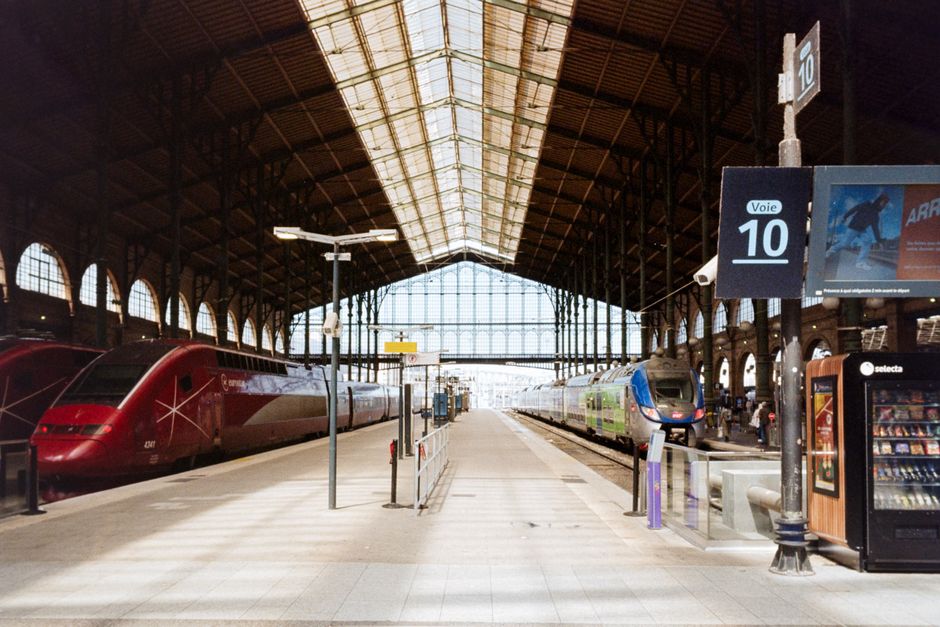
If you want “by train” in the straightforward, no-fuss sense, your route is built around Eurostar’s high-speed service. In London, that means London St Pancras International—and in Paris, it means Paris Gare du Nord.
The big win here is that you avoid the “train to a nearby city” shuffle. You’re not switching modes halfway through or hunting for complicated cross-city connections.
What “central” looks like on both sides
St Pancras is very central for London. It’s well connected to the Underground (and it’s a short hop from key areas like King’s Cross). Gare du Nord is similarly central in Paris, right in the north side of the city and linked to Metro/RER lines.
Trade-off: Both stations are busy. They’re not the kind of places where you can roll up at the last minute and assume everything will be smooth.
What about other London or Paris stations?
You’ll see people mention other stations when they talk about getting to “France from London,” but for the London–Paris passenger rail experience, St Pancras ↔ Gare du Nord is the core pair you’re looking for.
If you’re thinking of adding a stop (say, for another French city), that’s where things get more specific—and you’d normally build a plan around connections after you arrive in Paris.
Journey time and what the trip feels like
Typical durations (and the odd longer ride)
Most direct Eurostar journeys are around 2 hours 15–30 minutes depending on the service.
A few realities to keep in mind:
- Schedules can vary by day (weekday vs weekend) and by season.
- Some trains may be a bit longer due to routing, speed differences, or operational constraints.
- Peak travel periods can also mean you’ll want a buffer for station processes.
My rule of thumb: if your itinerary is tight, plan your day with the expectation that “train time” isn’t the only time.
On-board basics: seats, food, and the practical stuff
Eurostar is designed for comfort and speed—so you’re not spending your trip fighting for window seats and trying to eat at weird times.
On-board, expect things like:
- Comfortable seating with a proper “train ride” feel (not like a cramped commuter line)
- Food and drink options available on board (what’s offered can vary)
- Power/charging options depending on carriage and seat layout
- Clear announcements and staff who can help if something’s off
Trade-off: it’s still a train. If you’re the type who loves to move around constantly, you may find it a bit more “sit and watch” than, say, a road trip.
Do you need to change trains?
For the London-to-Paris itinerary most people want, you’re looking for a direct service. That’s the main reason the route is so popular.
If you ever see an itinerary that involves a change, double-check:
- how long the transfer is (and whether you’re in a different station)
- whether the second leg is on the same ticket or separate
- whether delays could cascade into missed connections
How to book tickets (without overpaying)
Where to buy: official channels, not “mystery” intermediaries
For Eurostar tickets, you’ve got the usual options:
- Online booking through the operator’s official channels
- The official app (useful for managing tickets and notifications)
- Ticket desks at the station (handy if you’re traveling with special circumstances)
Avoid buying from sketchy third parties if you can. When things go wrong (and sometimes they do), having a clean paper trail with the operator is a lifesaver.
Ticket types: Standard, Premier, and Business-level options
Eurostar generally offers tiers (names can vary by route/product, but you’ll usually see something like):
- Standard: the best value if you just want to get there comfortably
- Premier: typically more space/comfort and often a slightly quieter, more premium feel
- Business-class options: the most space and service level
What I’d tell you, plain and honest:
- If you’re traveling for a day trip, Standard can be totally fine.
- If you’re bringing lots of luggage, have a long day planned, or you’re sensitive to comfort, Premier can feel worth it.
- If the price difference is small on the day you book, upgrade—because you can’t “undo” an uncomfortable train seat.
When to book and how to spot deals
You’ll usually get the best fares when you:
- book as early as you can
- stay flexible with your departure time (even shifting by an hour can change prices)
- compare multiple travel dates/times rather than picking the first option you see
Price reality check (so you’re not disappointed): fares can start relatively low when you book early, but they can jump as departure gets closer, especially on popular weekends and holiday periods.
If you’re trying to keep costs down, your practical strategy is simple:
- Check a couple of train times on the same day
- Compare one “earliest” and one “later” departure
- If the difference is big, you’ve found your value window
Day-of plan: get through check-in smoothly
How early to arrive
This part is underrated. The train might be fast, but the station isn’t a teleport.
A safe planning approach:
- Aim to arrive at least 45–60 minutes before departure.
- If it’s a busy season, school holiday period, or you’re traveling with a lot of stuff, lean closer to 60–75 minutes.
Also: check your ticket or booking details for the operator’s recommended check-in timing. That’s the closest thing to “official truth” for your specific journey.
What documents and borders to expect
For London → Paris, you’re dealing with border processes on both sides. The exact paperwork depends on your nationality and travel document type.
To stay sane, plan for:
- Your passport being required (and make sure it meets validity rules)
- Border/identity checks before boarding
- Any additional rules that apply to your personal travel situation
If you’re unsure about what you personally need, it’s worth double-checking from official government guidance for your passport type rather than trusting travel-blog hearsay.
Luggage, boarding groups, and finding your platform
Stations are big, and platforms change closer to departure.
Good habits:
- Pack like you’ll need to access essentials quickly (headphones, water, phone charger)
- Follow the signs for the right departure gate/area
- Keep an eye on screens for boarding announcements and platform updates
If you’re traveling with children, have mobility needs, or have special circumstances, tell staff when you arrive. It’s much easier to solve issues early than mid-boarding.
If your train is late: your game plan
While you’re at the station
When a delay hits, don’t just “wait and hope.” Do a few practical things early:
- Check official departure info screens and/or the app for the latest status
- Note the time of the delay if you need it later for a compensation claim
- Stay in the station area unless staff instruct otherwise (it’s often where the solution happens)
If your train is delayed, the station usually becomes a coordination hub—staff can often advise whether boarding time has shifted and how they’re handling connections.
If you miss a connection
If you’ve planned onward travel (Metro, another train, a hotel check-in deadline), delay risk is real.
Here’s how to handle it calmly:
- Get confirmation from staff if your departure time changes
- Ask about rebooking options if your onward plans depend on catching another train
- Keep receipts/notes if you end up needing alternative transport
Trade-off: the more “tight” your schedule, the more you should build in slack. Even a short buffer can save you from paying for last-minute alternatives.
Refunds, compensation, and how to claim
Eurostar and rail services generally have disruption/compensation processes when delays happen, but the details can depend on the specific circumstances.
What you should do (so you don’t miss your chance):
- Don’t throw away your travel info (ticket details, confirmation emails, booking reference)
- Follow the operator’s disruption guidance (often there’s a process to submit a claim or request refund)
- If you’re eligible, submit as soon as you can—the process is usually smoother right after the trip
If you’re traveling on a tight deadline, focus first on getting yourself to the right place, and then sort out the paperwork after.
After you arrive in Paris: quick ideas + a friendly recap
Easy things to do near Gare du Nord
Gare du Nord is convenient, so you can get into the heart of Paris without a long commute. If you’re looking for a few classic options, here are solid “first day” ideas:
- Montmartre & Sacré-Cœur (great views and that postcard Paris vibe)
- Le Marais (shops, cafés, and wandering-friendly streets)
- The Louvre & the Tuileries (art + a good early stroll)
- Musée d’Orsay (especially good if you like impressionist works)
- Eiffel Tower & the Champs-Élysées area (easy to build an evening around)
- Luxembourg Gardens (relaxed, green, and a nice reset after travel)
Your quick checklist before you go
If you do just these, you’ll feel in control:
- Confirm you’re traveling St Pancras International → Gare du Nord
- Book with enough flexibility for prices (and check multiple times)
- Arrive 45–60 minutes early (or more in busy periods)
- Bring the right travel documents (passport, etc.)
- If anything goes wrong, check the app/screens and ask staff early
Final thoughts
Getting from London to Paris by train is one of those rare travel experiences that actually lives up to the hype—fast, comfortable, and city-centre to city-centre.
Do yourself a favor: book early, arrive with a buffer, and don’t underestimate the station flow. If you do, you’ll spend more time planning your Paris day…and less time thinking about logistics.